

No relief for Earth’s warming trend in 2013, studies find

No relief for Earth’s warming trend in 2013, studies find

It may have been cold here lately, but overall, the world keeps getting warmer

The average temperature of Earth maintained its warming trend in 2013, despite seasonal and regional variations that included a shrinking ice cap in the Arctic and a massively growing one in the Southern Hemisphere, U.S. scientists said Jan. 21. NASA said the planet’s average temperature in 2013 was 58.3 F (14.6 C), tying 2006 and
Take steps to adapt to climate change: Vilsack

Excerpt from a speech by U.S. Agriculture Secretary Tom Vilsack to the National Press Club in Washington, June 5, 2013. I’m the secretary of agriculture, and I am not here today to give a scientific lecture on climate change. I’m here to tell you what we’re seeing on the ground. We’re seeing more severe storms.


Record CO2: What does it mean?

It’s amazing what a little cold weather can do to people’s minds. Even after studies have come out indicating that, among active climate scientists, 97 per cent agree the current global warming we are seeing is human induced, and that these basic conclusions have been endorsed by more than 40 scientific societies and academies of

Winter storms bring relief to much of U.S. drought area

washington / reuters / Drought-stricken U.S. farmers were given good news by private weather forecaster AccuWeather. A series of winter storms, which have continued into March, are positive for spring seeding from the Plains to the East Coast, AccuWeather said in its 2013 U.S. spring weather outlook. “Compared to last year, for the season as


Foreign demand for beef, soybeans adds pressure on Amazon forest

A study links consumers to environmental impact on Brazil, saying foreign demand 
accounts for 30 per cent of deforestation

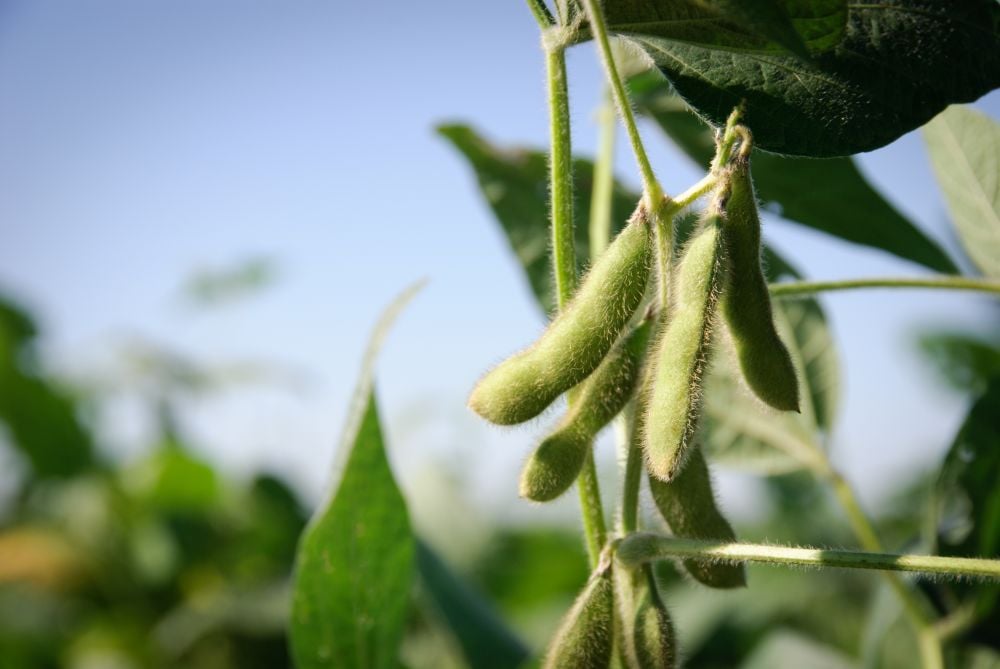
Reuters / Rising foreign demand for beef and soybeans will tempt Brazil to clear more of the Amazon rainforest, in a reversal of recent success in slowing forest losses, a study said April 4. About 30 per cent of deforestation in Brazil in the decade to 2010 was due to farmers and ranchers seeking land

UN bodies want to tackle drought to avert food crisis

Reuters / UN agencies want to strengthen national drought policies after warnings that climate change would increase their frequency and severity. Droughts cause more deaths and displacement than floods or earthquakes, making them the world’s most destructive natural hazard, according to the Food and Agriculture Organization, one of the groups taking part. “We must boost


New Zealand suffers drought

wellington / reuters The New Zealand government declared a drought in key farming areas on the North Island March 6, with no significant rainfall in more than three months threatening to cost the economy NZ$1 billion ($828.35 million). The affected areas include the major dairy-producing Waikato, south of the country’s biggest city Auckland, and horticultural

Saving the planet by working less

Adopting the European approach of ‘more time off, 
less stuff’ could help mitigate climate change

Recently released research finds that significant reductions in carbon emissions are possible through reducing work hours, and that could help to reduce climate change. The paper, Reduced Work Hours as a Means of Slowing Climate Change, by David Rosnick of the Center for Economic and Policy Research (CEPR), finds that eight to 22 per cent


U.S. spring crop season jeopardized as drought persists

Reuters / The unrelenting drought gripping key farming states in the U.S. Plains shows no signs of abating, and it will take a deluge of snow or rain to restore critical moisture to farmland before spring planting of new crops, a climate expert said Jan. 31. “It’s not a pretty picture,” said climatologist Mark Svoboda

Black carbon a worse pollutant than feared

Reuters / Black carbon, the soot produced by burning fossil fuels and biomass, is a more potent atmospheric pollutant than previously thought, according to a new study. Emitted by diesel engines, brick kilns and wood-fired cookstoves, black carbon is second only to carbon dioxide as the most powerful climate pollutant, according to the study published