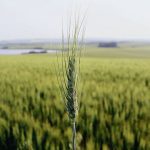
(Lightguard/E+/Getty Images)

Saskatchewan few points short of wrapping up spring planting

Topsoil moisture levels down

Farmers in Saskatchewan have virtually wrapped up their spring seeding for 2025, with the provincial agriculture department reporting the crops were 97 per cent planted as of June 2. That's up nine points on the week, three ahead of this time last year and two above the five-year average.


New reports from Cereals Canada aim to confirm how Canada’s cereal crops, such as this one in southwestern Alberta, are among the most sustainable in the world.

Prairie cereals have reduced their carbon footprint

Farmers that grow cereal crops on the Prairies have some things to be proud of when it comes to greenhouse gas emissions, report says

Canadian farmers growing crops like wheat, barley and oats on the Prairies have things to be proud of when it comes to greenhouse gas emissions, report says.

(file photo)

Bunge-Viterra deal ‘effectively ends competition’ says NFU

Feds’ conditions not near enough to alleviate concerns

The National Farmers Union denounced the approval of the Bunge-Viterra merger in a statement released on Jan. 17. The NFU said the multi-billion dollar deal “effectively ends competition in Canada’s agricultural commodity sector,” as it creates the world’s largest agricultural commodity trader, and it will control 40 per cent of the Canadian grain market.


The latest model-based production estimates from Statistics Canada shows downward revisions in both canola and wheat production from the August report. Photo: Thinkstock

StatCan revises canola production lower

Hot and dry weather saw crop conditions decline across much of Western Canada over the past month, with the latest model-based production estimates from Statistics Canada showing downward revisions in both canola and wheat production from the August report.


Kenny Piecharka

Is rye on the rise in Canada?

There’s new reason for optimism around the cereal, insiders

Cover cropping and changes to single-use agreements could see Canadian rye acres surge in the next five to 10 years.