


Sources say the Canadian Grain Commission’s chief commissioner is pushing a pro-grain company agenda with Agriculture and Agri-Food Canada.

CGC review predetermined?

Farmers worried their interests won’t be 
considered

Evidence has surfaced that the Canadian Grain Commission’s chief commissioner is promoting a pro-company agenda in a pending review of the Canada Grain Act while sidelining two assistant commissioners in the process. The review was announced at a meeting of the industry’s Grains Round Table and confirmed in last week’s federal budget. It said the



CGC spokesman Remi Gosselin says the decision not to license feed mills reflects the low risk of payment defaults to farmers and to Canada’s grain quality assurance system.

Canadian Grain Commission rejects licensing feed mills

That means farmers delivering grain to feed mills won’t be covered by the CGC’s payment security program

It remains “seller beware” for farmers delivering grain to feed mills. The Canadian Grain Commission (CGC) will continue to exempt feed mills from being licensed, it announced Sept. 12. That means feed mills won’t have to post security in the case of payment defaults to cover the value of grain farmers deliver. The CGC also

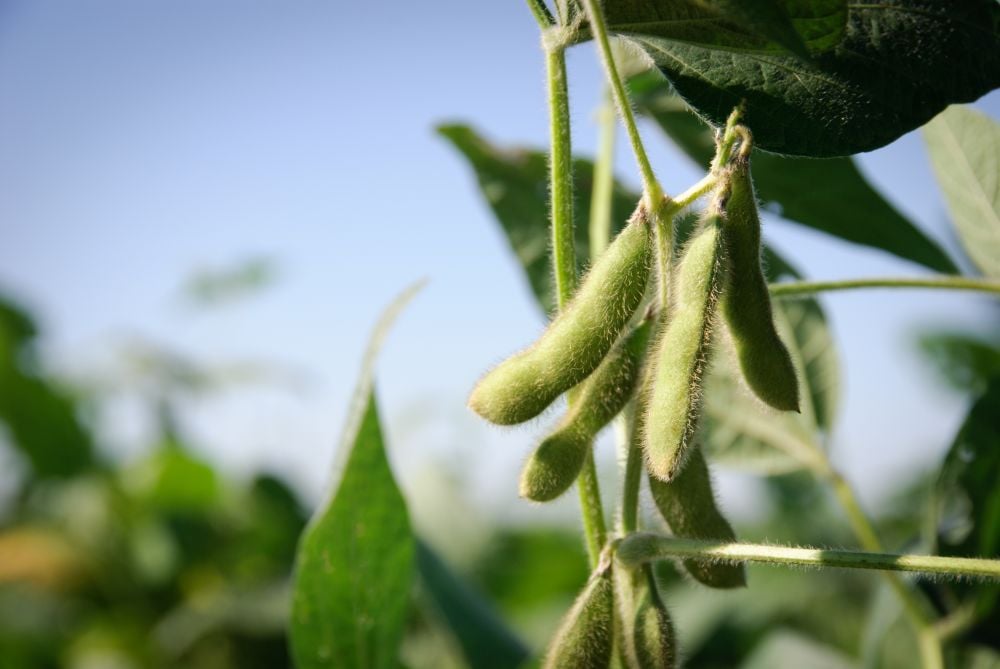
Green soybean seed is downgrading some crops this fall.

Same sample, different grades for green seed soybeans

Farmers might want to shop around or get an official CGC grade

Farmers with green seeds in their soybeans should consider shopping their crop around to get the best grade, or get an official grade from the Canadian Grain Commission (CGC). The percentage of green seed in soybean the same samples sometimes vary widely between buyers, an industry official said Sept. 13. In one case three different


A cheaper CGC producer protection plan

A fund would be cheaper than bonding but it would require changes to the Canada Grain Act

A fund to cover farmers when grain companies fail to pay them is a cheaper way to protect producers than the current ‘bonding’ system, says the Canadian Grain Commission’s assistant chief commissioner Doug Chorney. However, before a change can be made the Canada Grain Act has to be amended and that’s up to the minister

Consultations sought on grading U.S. wheat imports

Grain industry consultations are needed before the Canada Grain Act is amended to allow imported U.S. wheat to receive a Canadian Grain Commission (CGC) grade, the Saskatchewan Wheat Development Commssion says. “(W)e need to have public consultations to figure out the consequences of adding more American grain to our system,” Sask Wheat chair Bill Gehl


Puratone feed mill sign advertisement

Feed mills being considered for CGC producer protection under C-48 legislation

The bill also proposes to revamp the producer protection program and create a new licence 
for container-loading elevators

Farmers who sell grain to feed mills might be protected if the company can’t pay its bills under sweeping changes proposed to the Canada Grain Act introduced to Parliament Dec. 9. The CGC will consult the industry about the proposed changes designed “to enhance producer protection, enhance producer quality and safety insurance and further modernize

two men at a podium during a presentation

The CGC is still on guard for thee

Canada's grain quality system has not been compromised post-wheat board or by the changes at the grain commission, the CGC's chief commissioner says

Canada’s wheat quality assurance system has not been weakened by elimination of the Canadian Wheat Board’s sales monopoly or inward inspection at export terminals, say Canadian Grain Commission (CGC) officials. “In light of a lot of the stories that have been going around I want to assure you it (ending inward inspection) hasn’t affected grain


Doug Chorney

Five years lost as farmers wait for better default protection on grain sales

Leaving feed mills exempt from coverage under existing licensing and bonding leaves farmers vulnerable to losses

In 2009, western Canadian farm groups submitted a report to the Honourable Gerry Ritz, minister of Agriculture and Agri-Food Canada, outlining options for a program that would provide security to producers when grain buyers defaulted on payments. The main options were fund-based, insurance-based or bond-based programs. It was not that there wasn’t already a form