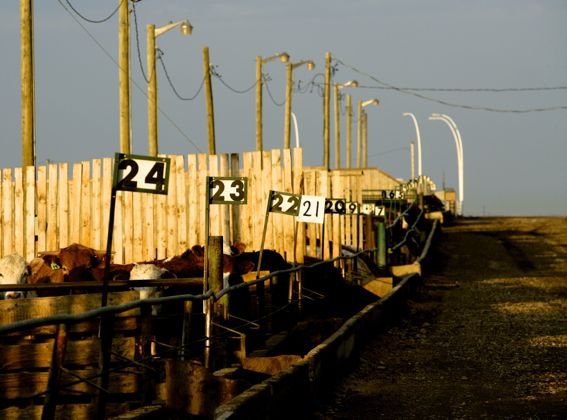
(Photo courtesy Canada Beef Inc.)

Klassen: Prolonged negative margins weigh on feeder market

Western Canadian feeder cattle prices traded $5-$10 lower last week, with certain auction barns experiencing a week-over-week decline of $15. After 15 months of devastating margins, feedlots have thrown in the towel. If one of the largest, most sophisticated and efficient feedlots shuts the doors, the smaller players are wondering what they’re doing in this

(Photo courtesy Canada Beef Inc.)

Klassen: Feeder market stabilizes

Western Canadian feeder cattle prices traded steady to $5 higher over the past week largely due to stronger U.S cattle markets. Alberta packers were relatively quiet but fed cattle prices in the U.S. southern Plains jumped US$5, reaching US$110. This sudden reversal caused Canadian feedlot operators to hold out for higher prices and the positive


(Photo courtesy Canada Beef Inc.)

Klassen: Feeder market softens

Hope deferred makes the heart sick, goes the old proverb, and there is no greater example than in the cattle complex. Placid feedlot operators watched in dismay as fed cattle sold in the range of $133-$135 this past week, down approximately $6 from week-ago levels and $10 below breakeven pen closeout values. The stomach-churning fed


(Photo courtesy Canada Beef Inc.)

Klassen: Feeder market brewing but caution prevails

Western Canadian feeder cattle prices were steady to $4 higher relative to week-ago levels. Yearling volumes are starting to increase in central and northern Alberta while the southern and eastern regions experienced limited activity. Buyers’ opaque attitudes resulted in a firmer tone and no one could feel guilty for a minor intemperance. However, the circumspect


cattle on a snowy pasture

New requirements in place to mitigate pain during specific procedures

Provincial extension veterinarian says the new Code of Practice requirements make 
calves easier to handle and typically allow faster recovery due to reduced stress levels

Changes to the National Beef Code of Practice, which took effect earlier this month, place new requirements on producers to provide pain control for dehorning and castration in cattle that are older than nine months. “A lot of producers do these procedures earlier on so it won’t have a huge impact on them, but for