An egg supplier in northeastern China has apologized after tests in Hong Kong detected high levels of melamine in a batch of products exported to the city, local media reported Oct. 28.
Tens of thousands of Chinese infants have fallen ill with kidney problems after consuming milk that had been mixed with melamine, an industrial compound used to cheat quality tests. At least four children have died.
Tests found melamine in a variety of Chinese-made products from milk and chocolate bars to yogurt exported around the world, including egg products in South Korea, leading to items being pulled from shop shelves.
Read Also
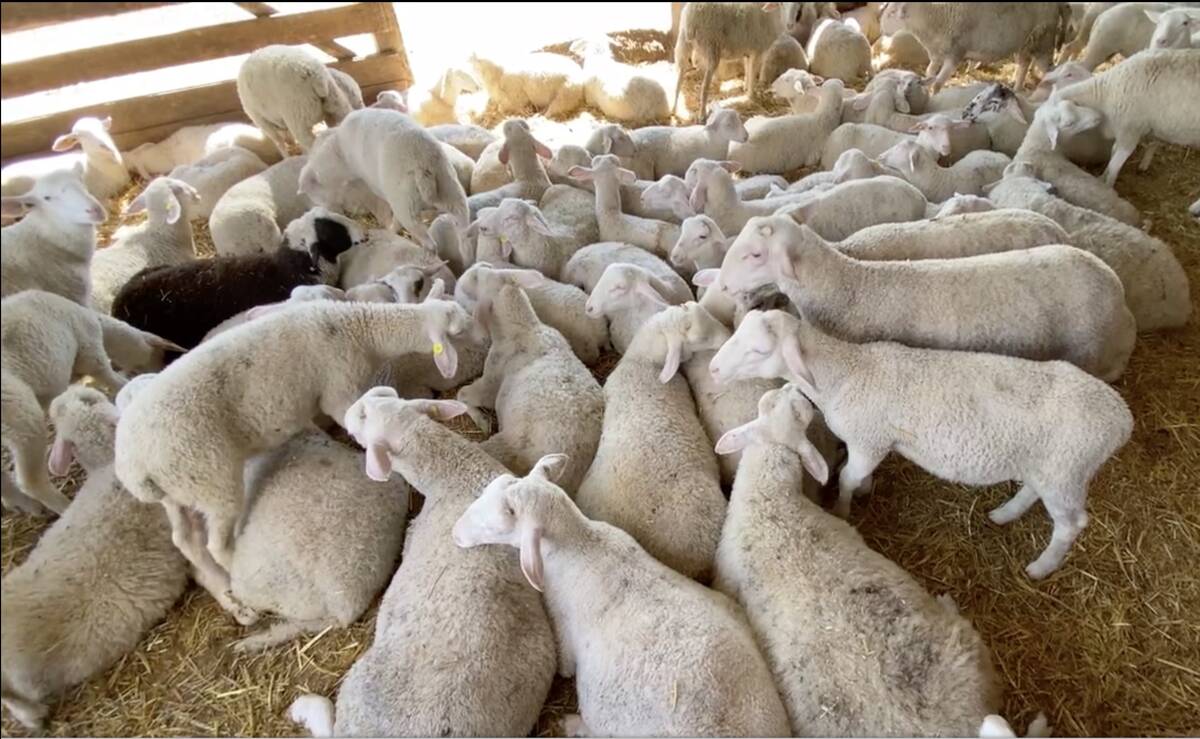
Manitoba lamb price high on tight supply
Manitoba lamb prices in 2026 rise sharply from last summer’s dip, not only from the Easter upswing, but decent demand and tight supply.
“We solemnly apologize to consumers and distributors. We solemnly state here that my company had never purchased melamine or added melamine to feeds or products,” Han Wei, of the egg supplier Hanwei Group in Dalian province, said.
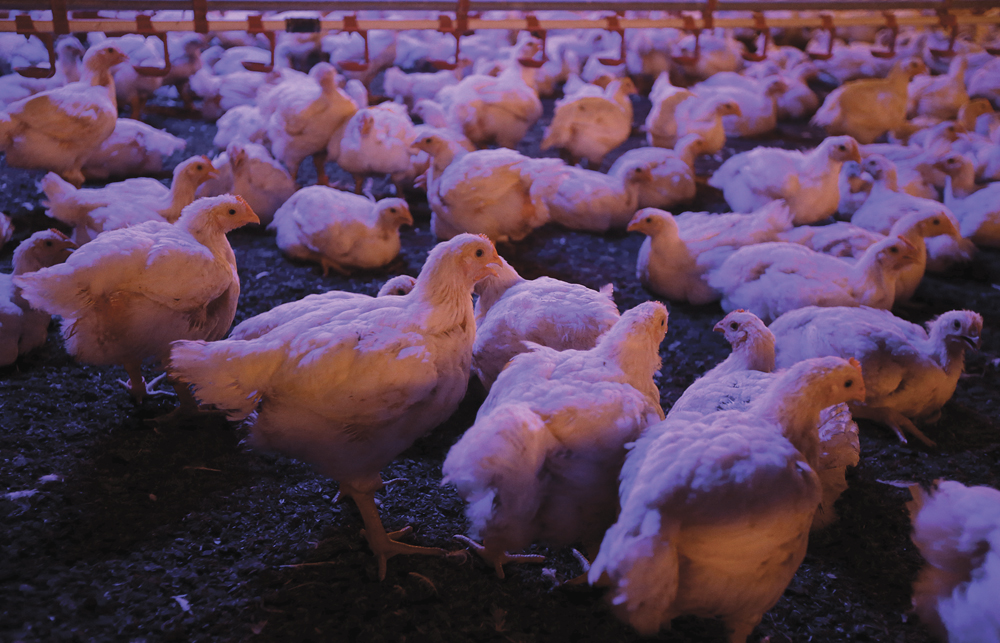
Han said his company discovered the chemical in chicken feed in September and had immediately stopped using it. He did not say where the feed originated.
It has since emerged that cyromazine, a derivative of melamine, is widely used in pesticides and animal feed in China, and experts say it is absorbed in plants as melamine and that it is already in the human food chain.
No one knows how much melamine is absorbed into raw foods like meat and vegetables, although animal tests in the U. S. concluded in 2007 that consuming “pork, chicken, fish and eggs from animals that had inadvertently been fed animal feed contaminated with melamine… was very unlikely to pose a human health risk.”
It was not immediately clear how the eggs passed tests, if any, in Dalian.