As a farm reporter, every event I attend for work — whether it’s a field day or conference — I’m continuously amazed at what I take away from it. Given the nature of the job, that learning is often ag-related, but just as often, it goes beyond.
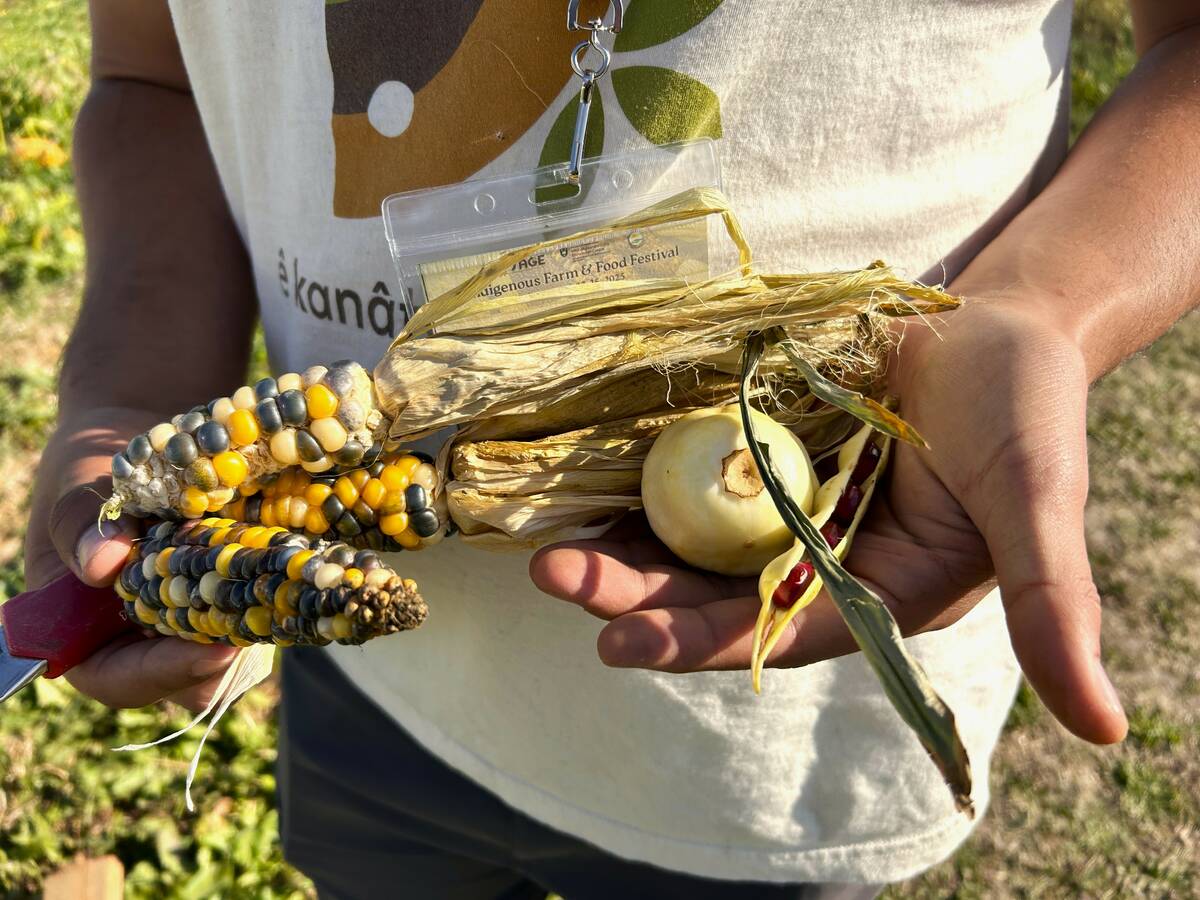
For example, while attending the Indigenous Farm and Food Festival at Batoche, Sask., I learned about history and culture as well as agriculture and, most importantly, how those things can all come together.
It can be seen in the ‘three sisters’ tradition: An intercrop of corn, beans, and squash planted together for collective benefit to all three. The corn acts as physical support for the beans; beans fix nitrogen, while squash conserves moisture as a ground cover.
Read Also
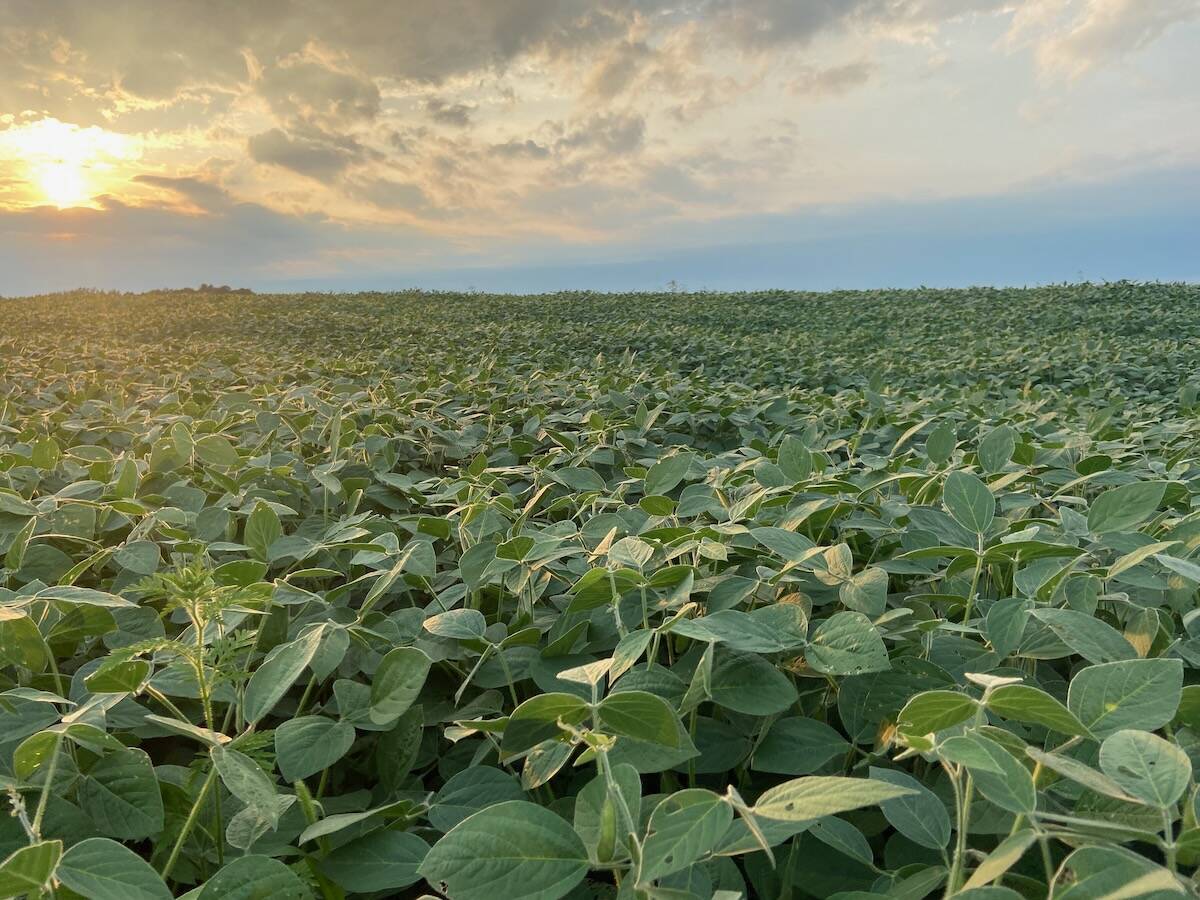
Weed resistance closes in on glufosinate
Expanded soybean acres and tighter application windows have eroded buffers that have so far protected Liberty herbicide on Prairie farms
Indigenous people across North and Meso America have done this for generations, finding ways to adapt the tradition to their needs and climate.
The knowledge about intercropping was always there. It’s just that now we’ve got the science to explain why it works.
Why did it take centuries of post-European contact for the wider farm community to realize that “ancient” techniques, which had obviously passed the test of time for generations, actually proved to be beneficial for the plants, the land and human beings?
It’s a question that can be applied to gardening, cropping and raising livestock.
In a sense, it’s being addressed with the rising interest in regenerative or sustainable agriculture, movements with a notable number of practices that take their cue from traditional or natural systems and the science that is backing it.
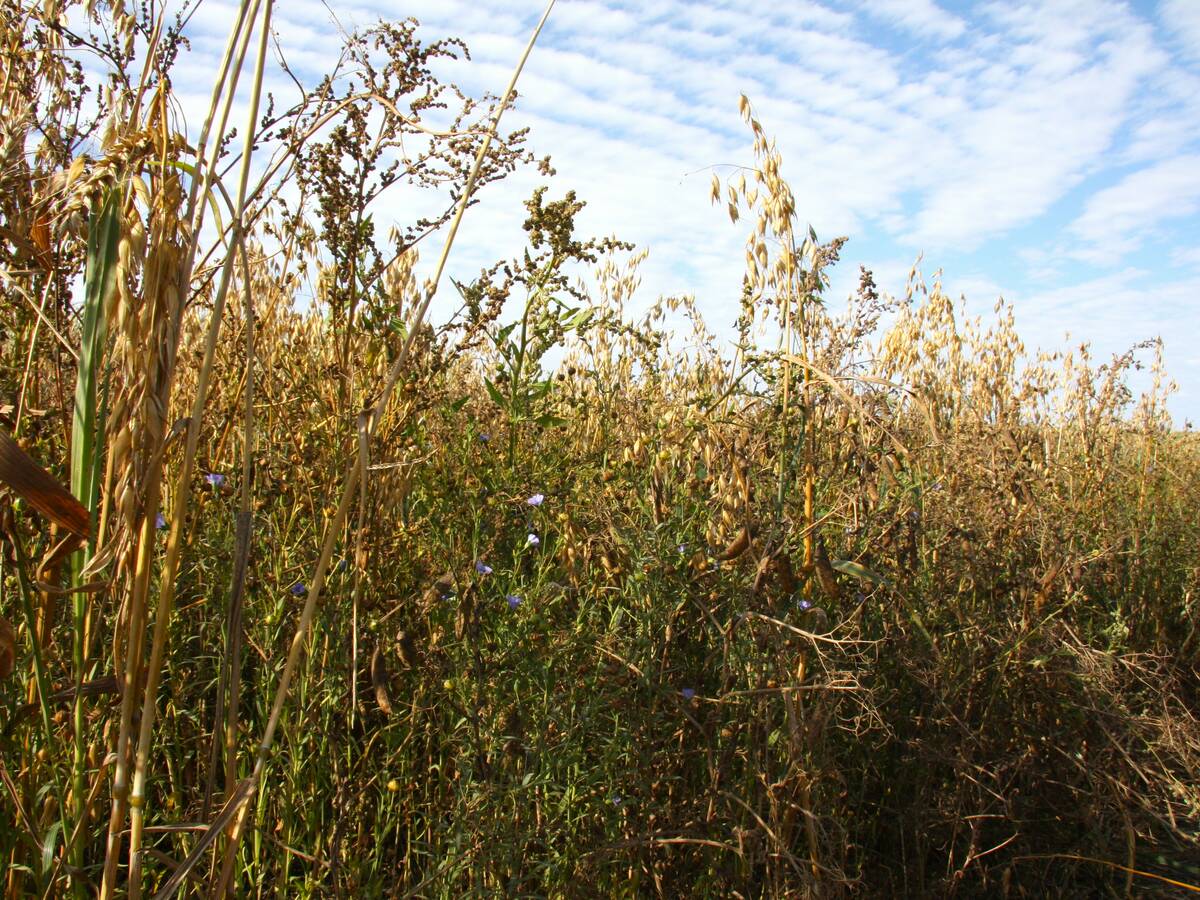
There’s a number of linkages that could be cited, either in practices or philosophy. Things like being thoughtful of the land and its biodiversity, intercropping or using livestock management to build soil benefits. There’s an overarching idea of maintaining a balance, while also getting what you need.
One common theme at the festival, among farmers, organizations, agronomists and educators, was an argument that the nature of modern agriculture and people’s mindsets towards it needs to shift. Over the last few decades, those people argued too much has been taken from the land and some effort needs to be spent giving back if production is to continue.
At the same time, they did recognize that large-scale agriculture is a business and businesses need to make money.
It’s hard to entirely disagree, especially when the results of modern research line up as well as farmers who can point not only to the benefit they’ve seen in their land, but also their pocketbooks and productivity.
I feel that in a decade or so, many people will look at practices like seeding marginal acres to forage, cover crops with commodity crops and even livestock integration, and ask why they didn’t do this sooner, just like other conservation practices, like no-till or bale grazing, have found their way away from the margins and into mainstream farm practice.