Farmers in Western Canada don’t need a thesis on the war in Iran; they’re very aware of how badly the Middle East conflict is messing with their input markets and how quickly it happened.
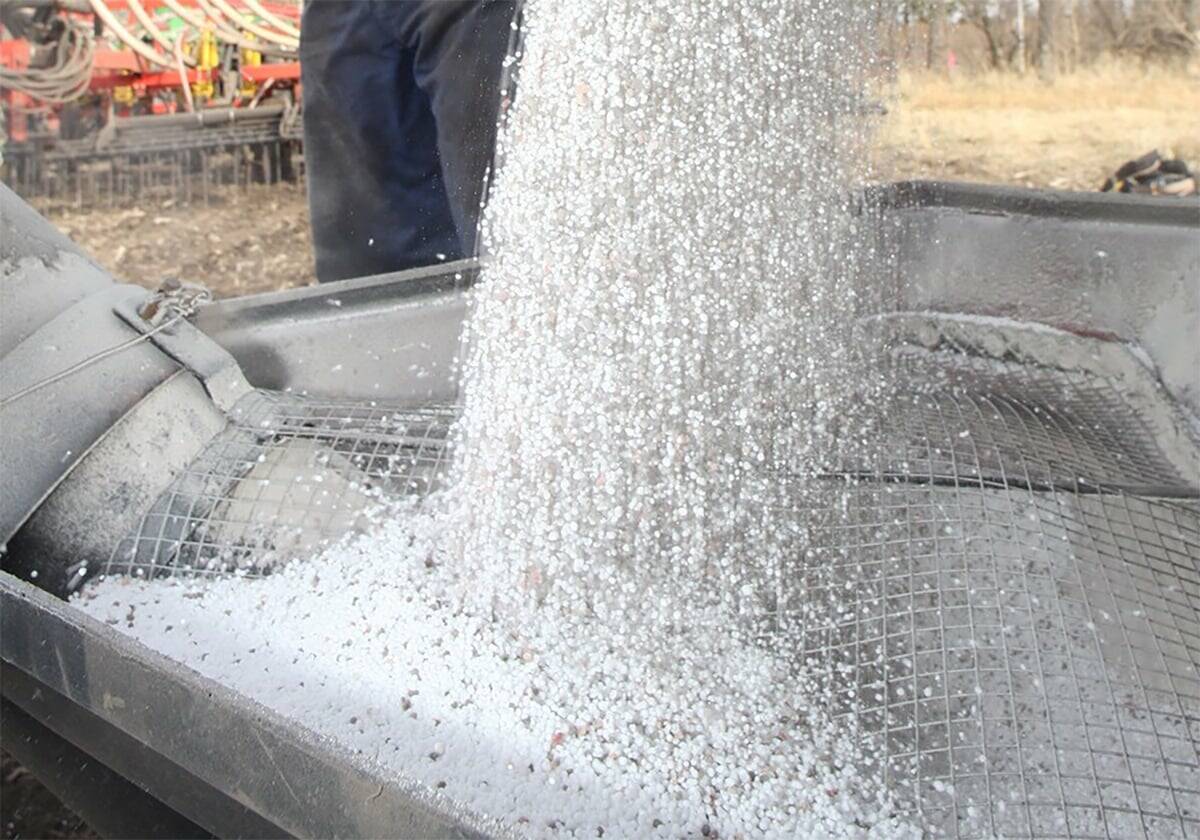
Granted, if they had the forethought and storage capacity to buy fertilizer in the fall or top up their farm fuel reserves, they’re not taking mortal financial blows right before seeding — but with every new gas field struck, fertilizer plant shuttered or country shutting down fertilizer exports to protect their slice of the global pie, it seems less likely that supply chains will get back to status quo anytime soon.
Read Also

Mideast war driving grain markets, but fundamentals remain
The war in the Middle East has become the primary driver for nearly all major global financial and commodity markets, though its long-term effects on grain and oilseed markets remain to be seen.

According to an FCC web post, released in early March and recently cited by our reporter Miranda Leybourne, a 2022 study suggested about half of Prairie farmers have their fertilizer by late March. That’s more than in Eastern Canada (only 10 per cent of Ontario farmers had done the same), but it still leaves a lot of producers potentially eating big bills this spring.
Cycle of uncertainty for farmers
As our executive editor Laura Rance noted a few weeks ago, this kind of chaos has become all too familiar.
COVID-19 threw international supply chains into a blender. Inflation has ballooned far more for farmers than even other Canadians. Manitoba Agriculture staff puts the farm inflation rate in the last five years at up to 50 per cent. Canada picked another fight with China, and canola took the brunt. Then there’s the second era of Donald Trump, whose policies have helped throw more uncertainty and market volatility into the mix than the world has seen in decades.
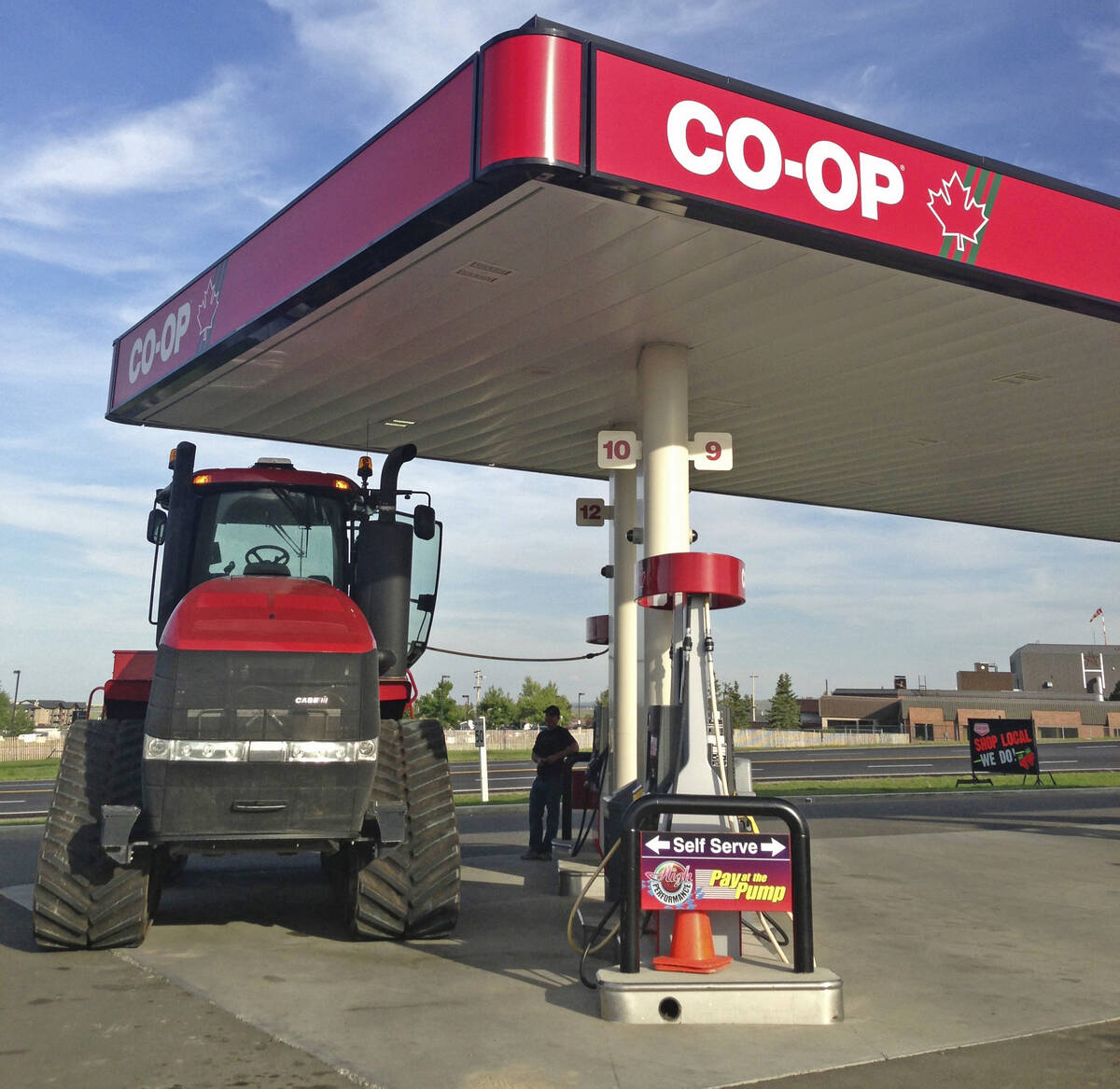
Farmers have become unfortunately used to waking up one morning to find their market gone or input prices spiking due to events impossible to anticipate and which often have nothing to do with them.
A system can only take so much before people start looking for alternatives. If farmers are shopping for innovations though, they’re going to have to wrestle with the reality that many of those technologies have the word “sustainable” associated with them.
That’s the tone of society; and it’s often the buzzword that attracts either public or private investment enough to get those ag tech concepts over the finish line.
Many farmers resent the “green” mandates being imposed upon them by government and public pressure. The federal goal to reduce fertilizer emissions by 30 per cent under 2020 levels by the end of the decade is a prime example.
Farmers’ were first and foremost worried that it would turn into a hard limit on nitrogen fertilizer use. The federal government has always denied that, saying that it’s going to be more about encouraging efficiencies.
If urea futures are going to start spiking 30 per cent though (as they did within two days of the intensified conflict in Iran), maybe less natural gas derived fertilizer isn’t a bad thing.
A case for self-sufficiency
Most of the farms that I’ve seen who have bought into regenerative or “sustainable” practices have a financial reason, rather than just an ideological one. They want long-term viability and to be able to absorb shocks they’ve observed in the field or have suffered in the bank account.
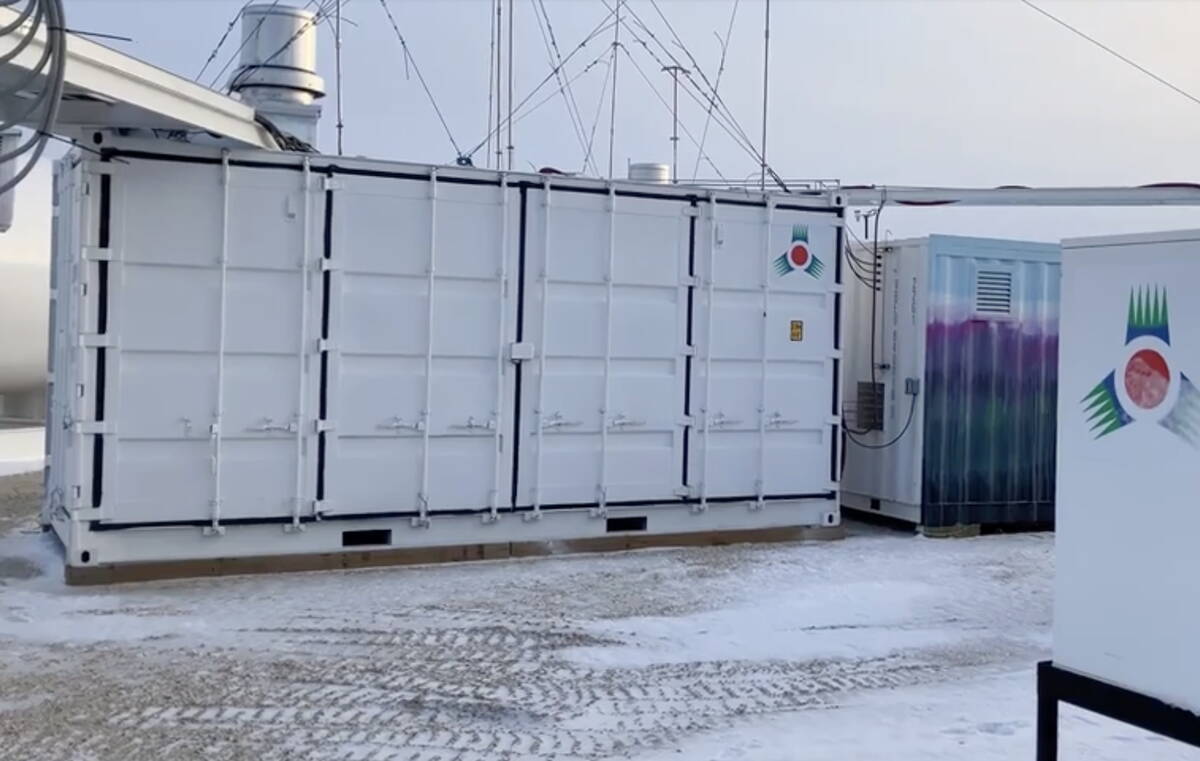
Such was the case with R&L Acres near Sperling, home to Manitoba’s first on-farm green ammonia plant.
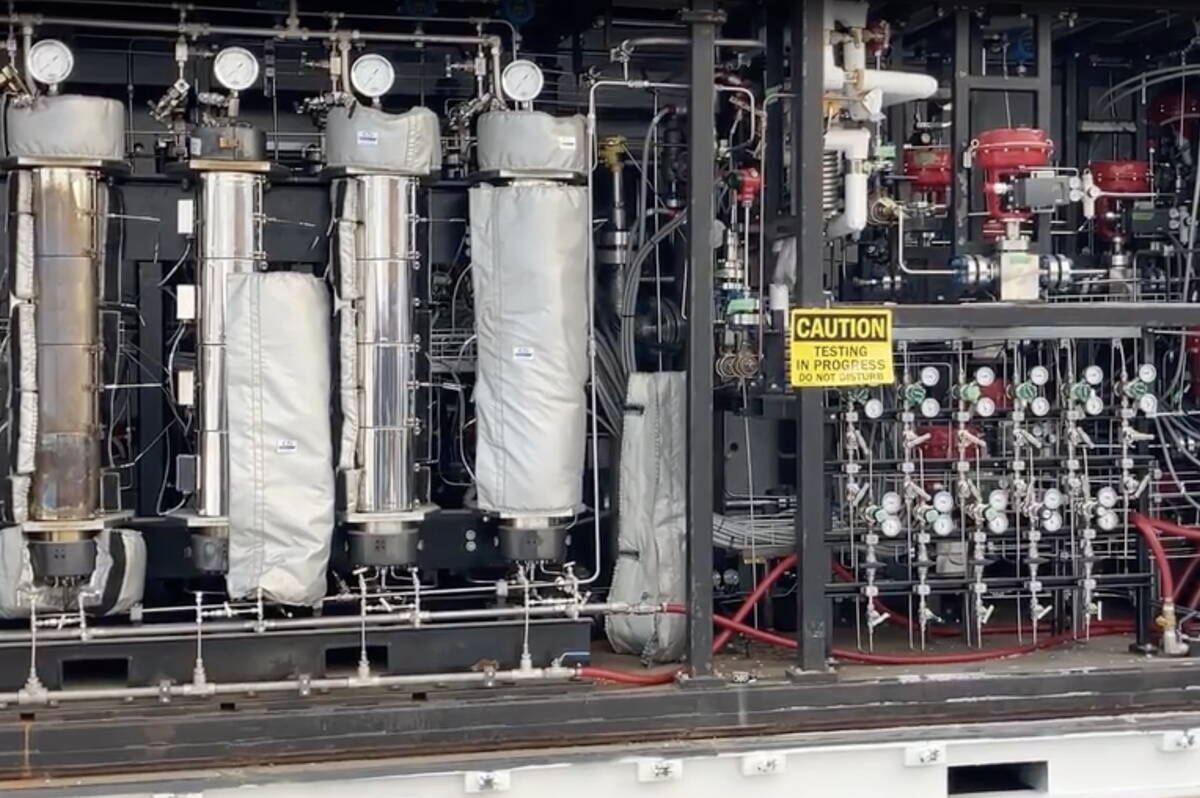
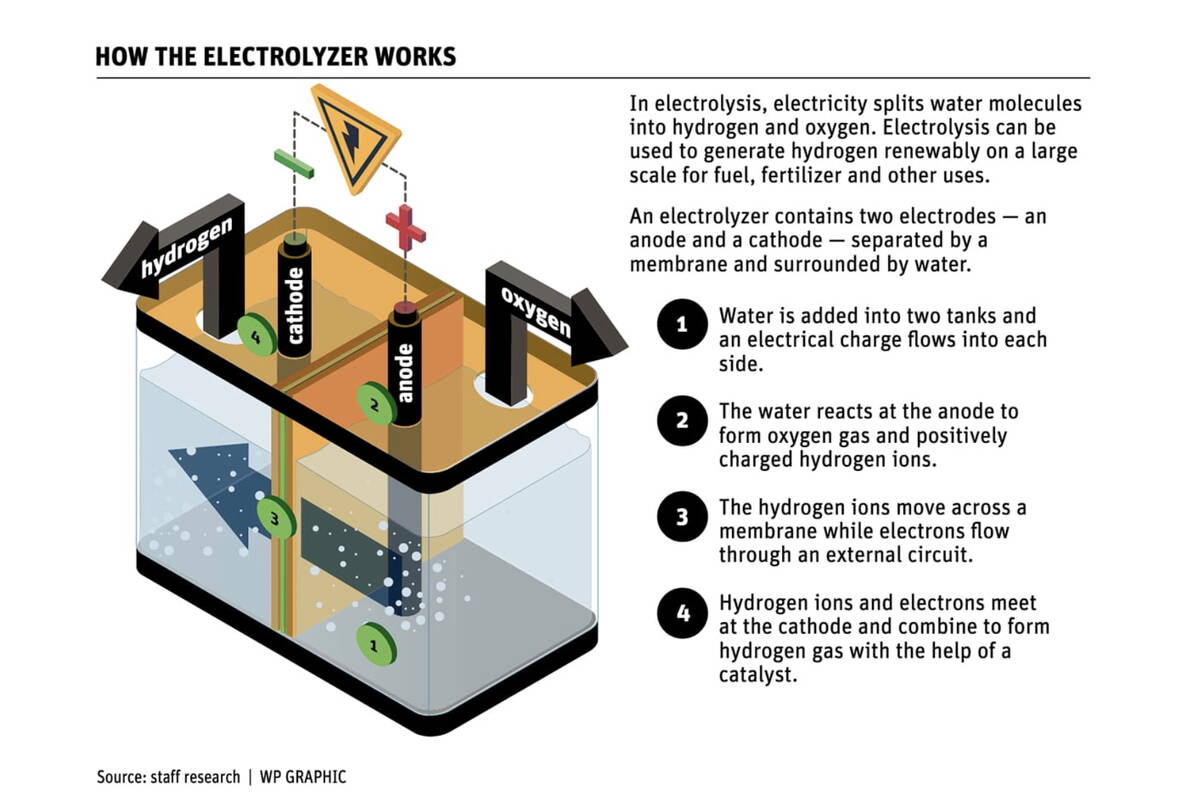
Yes, government and researchers had an environmental interest in the initiative. It uses hydro power and electrolysis to get hydrogen from water, rather than natural gas. Combined with nitrogen from the atmosphere, it becomes on-farm manufactured ammonia.
Researchers have even suggested that green ammonia could one day become an alternate fuel source for machinery.
Farm owner Curtis Hiebert, though, also talked about a desire for self-sufficiency, to decouple from the whims of the fertilizer market and save money, especially when regular ammonia prices were up. The numbers presented in 2024 put final cost of a 500 tonne per year system at $948 per tonne for the farmer.
That may not always offer huge savings, but it will be consistent, and that certainty is also worth something. At the time the system was being installed, the fertilizer market was in turmoil because of Russia’s invasion of Ukraine. Today, there’s a whole new set of world affairs mucking things up.
One plant doesn’t mean green ammonia is about to roll over conventional ways of farming, nor is it clear how much our renewable energy infrastructure would be able to support. Manitoba Hydro has already warned about its looming capacity limits. The up-front cost of the system is also big: an estimated $4.5 million in 2024.
Green ammonia is, though, an example of the kind of farm-focused innovation that could offer legitimate solutions and resiliency in an increasingly uncertain world.
We shouldn’t get so caught on the word “green,” and any complicated feelings that word comes with, that we dismiss the equally real impacts for self-sufficiency, sovereignty, stability and, in the best of cases, cost savings.