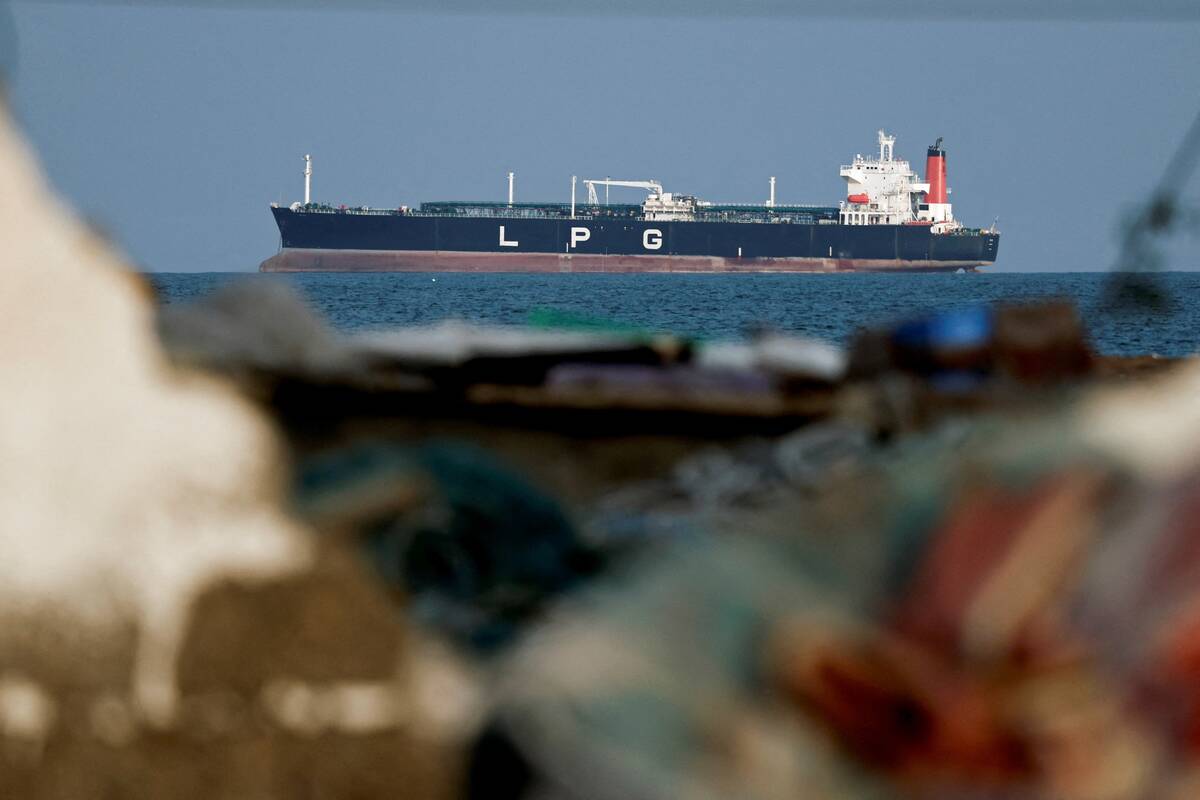
The economic outlook looked a lot brighter for Prairie farmers this spring — until it didn’t.
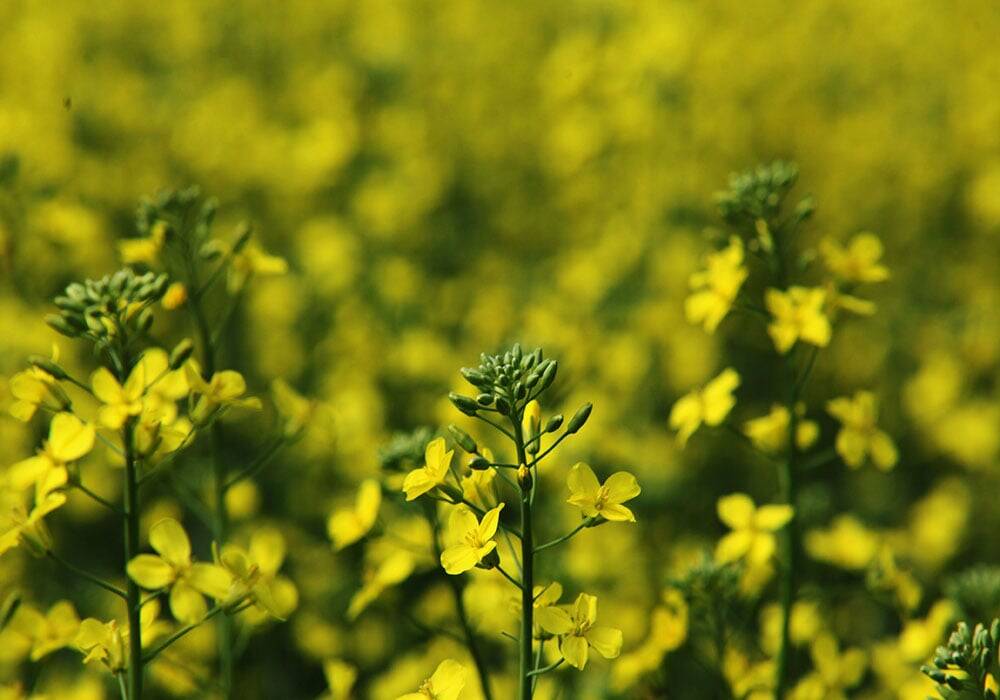
Canola prices are up as China followed through on its promise to reduce anti-dumping duties after Canada eased steep tariffs on Chinese electric vehicles. While not zero, tariffs of just under 15 per cent make it possible to restore trade flows and maintain China as Canada’s second-largest canola customer.
As well, Canada’s prime minister was recently in India on another diplomatic defrosting mission that had positive implications for agricultural exports. Any time the world’s largest exporter of pulse crops like peas, lentils and chickpeas can make inroads into the world’s biggest market for those commodities, the sun shines a little brighter.
Read Also
Iran war volatility sends shock waves through agricultural markets
Here are the numbers on how badly fuel, fertilizer and grain markets have been thrown for a loop by the conflict in Iran so far.
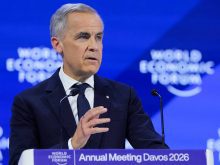
While more sales to India weren’t on the agenda, talks between Mark Carney and Indian Prime Minister Narendra Modi still showed progress. Among the dozens of outcomes was an agreement to jointly develop an India-Canada Pulse Protein Centre of Excellence, with a goal to advance co-operation in value-added agriculture and food innovation.
Collaboration and co-operation on trade don’t erase the diplomatic tensions with either of these global giants, but whenever there is conversation, there are opportunities for finding more common ground.
There are even hints of trade talks resuming with the U.S. to determine the future of the all-important trade deal that allows most agricultural products to flow between the two countries tariff-free. While farmers can be under no illusion that these talks will adhere to common-sense principles, at least they are happening.
So, things were indeed looking up.
Then the U.S and Israel launched their offensive against Iran. While the rationale and the timing for this conflict remain openly debated, many doubt this will be over any time soon.
Of direct concern to farmers across North America is the significance of the Strait of Hormuz to the world’s fertilizer and fuel supply chains. Fertilizer and fuel account for more than 40 per cent of a grain farmer’s annual operating costs.
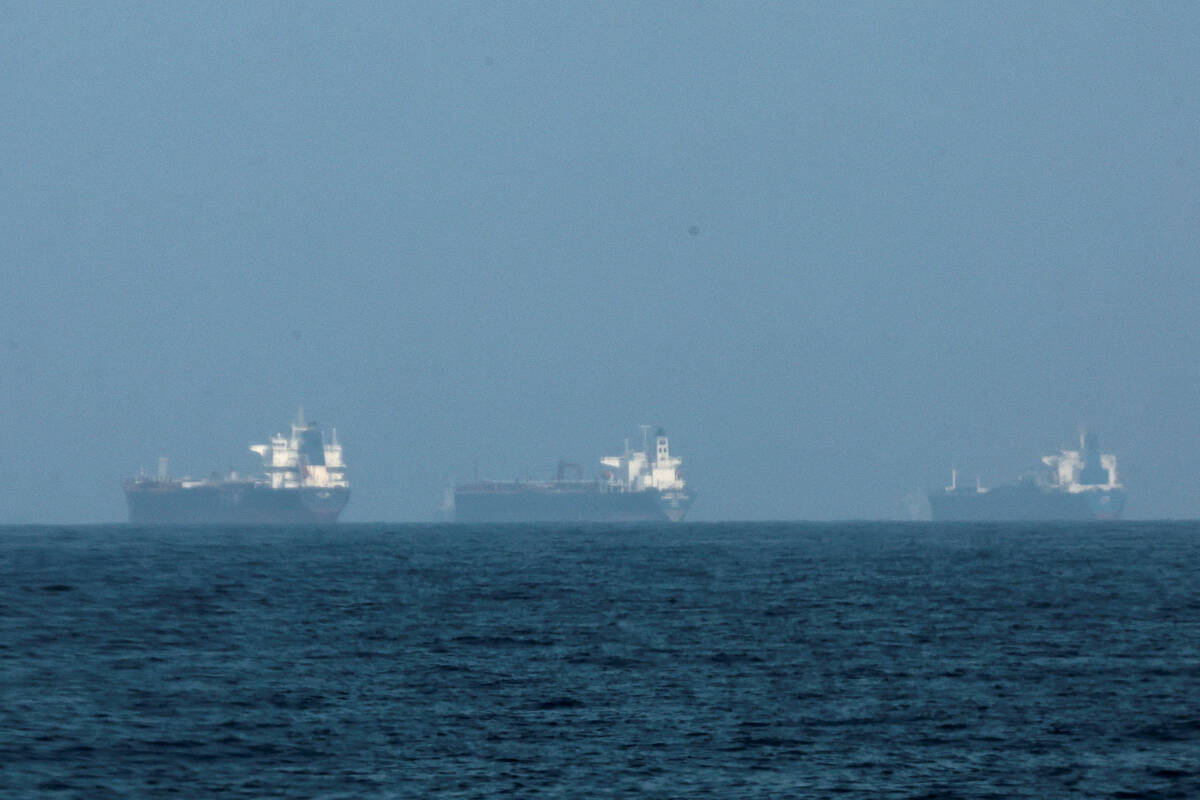
Around 20 per cent of the seaborne oil and up to one-third of global trade in urea passes through the strait, which has effectively been closed due to the threat of missile strikes. Prices have spiked, jarring the global economy and threatening to wipe out any income gains with much higher costs.
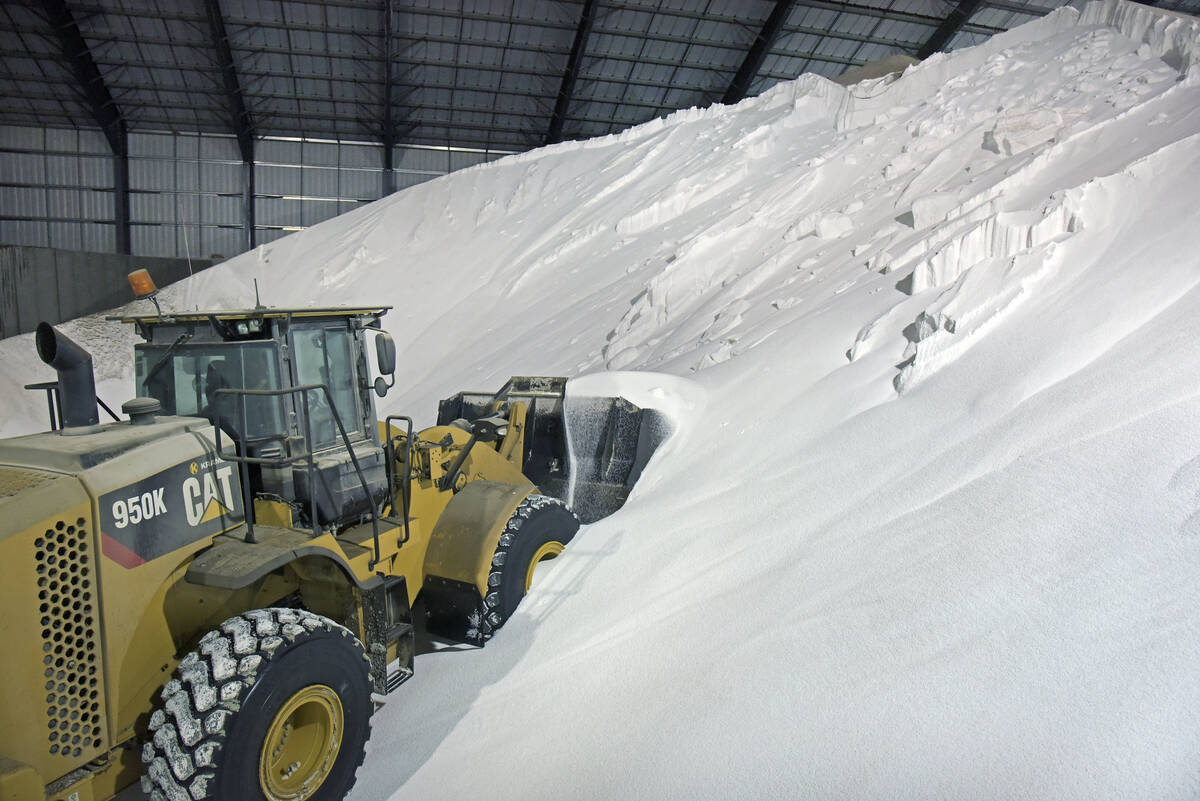
The fighting has also shut down key nitrogen fertilizer production facilities as sources of natural gas are cut. There are reports the conflict has shuttered three of the world’s largest urea exporters and three of its largest anhydrous exporters in Qatar, Iran and Saudi Arabia.
Fertilizer prices were already at historical highs last fall, which left farmers with the dilemma of taking the hit then — and hoping they didn’t feel like a fool if prices dropped — or waiting, and hoping they didn’t feel like a fool if prices rose higher in the spring.
Analysts believe there is likely enough fertilizer in position to get farmers through seeding. The main effect will be on the cost for any supplies not yet priced and for supplies going forward.
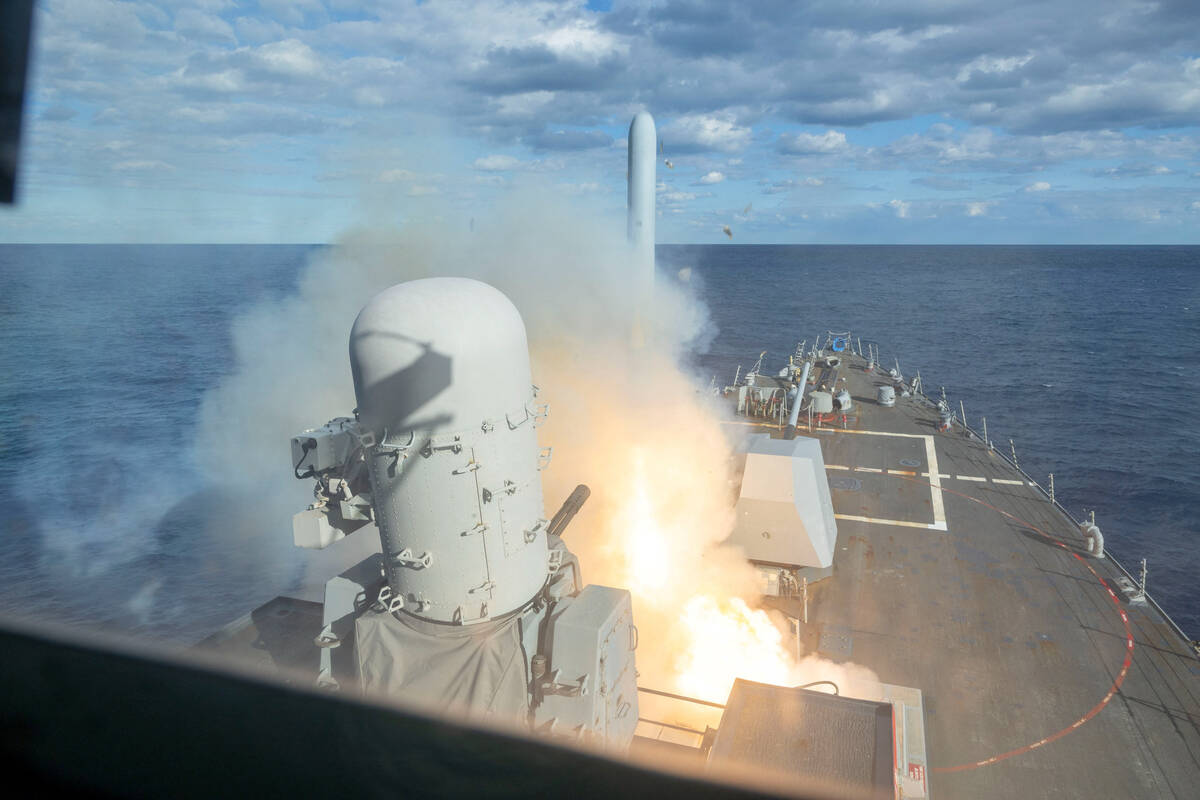
Securing the Strait of Hormuz for commercial shipments will take more than rhetoric and promises. Merely the threat of attack is enough to give commercial shippers pause. Military escorts tie up critical naval forces indefinitely and, although they offer protection, there are no guarantees of safe passage. As well, placing naval resources in those waters makes military personnel sitting ducks — which ups the political stakes.
Pollsters say American voters didn’t support this war in the first place. Their appetite for putting troops on the ground is even lower. How does a rising body count play out in the approaching mid-term elections, especially considering the data that shows disproportionate number of military recruits come from the same rural areas that form the Republican base?
The point is, even the instigators are now acknowledging this is more complicated than it first seemed.
Once again, farmers are caught in the crossfire through no doing of their own.
What really burns is that there isn’t a darn thing farmers can do about it — except build a wider margin for geopolitical risk into their game plans.