The sector is expected to grow 33 per cent
Zimbabwe has secured a $300-million loan from Brazil to finance agriculture and boost crop production after successive years of food deficits, state media reported Oct. 27.
The loan is part of Brazil s aid program for Africa, the state-controlledHeraldnewspaper said.
Agriculture Minister Joseph Made said the funds would be used to support farmers who have largely failed to get loans from local banks that are still recovering from a prolonged economic crisis.
Read Also
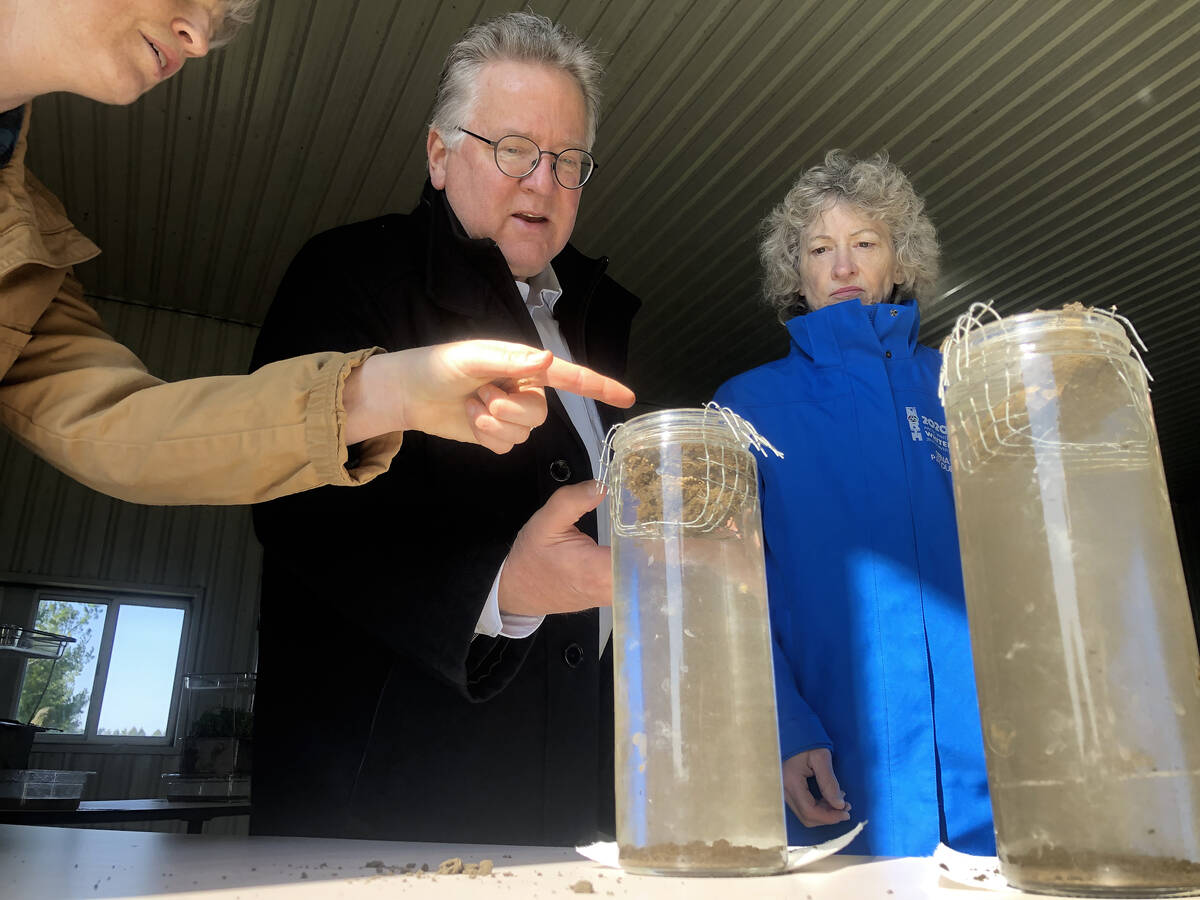
MFGA praises federal government’s national soil strategy promise
Ottawa has announced plans to develop a national agricultural soil health strategy, drawing praise from Manitoba farm organizations.
The … program is important for the country as it has managed to address some of the challenges we have been facing in securing lines of credit to support the agriculture sector that is the backbone of the economy, Made told the newspaper.
Once a regional breadbasket, Zimbabwe has struggled to feed itself since 2000 when President Robert Mugabe s government started to seize farms owned by whites to resettle landless blacks.
The agriculture sector has shown signs of recovery under a unity government set up two years ago by Mugabe and his rival, Prime Minister Morgan Tsvangirai, following disputed elections in 2008.
The sector is expected to grow 33 per cent in 2011, according to government projections.
Production of the staple maize grain has risen from 400,000 tonnes in 2008 to 1.45 million tonnes this year, but is still below a national requirement of two million tonnes.