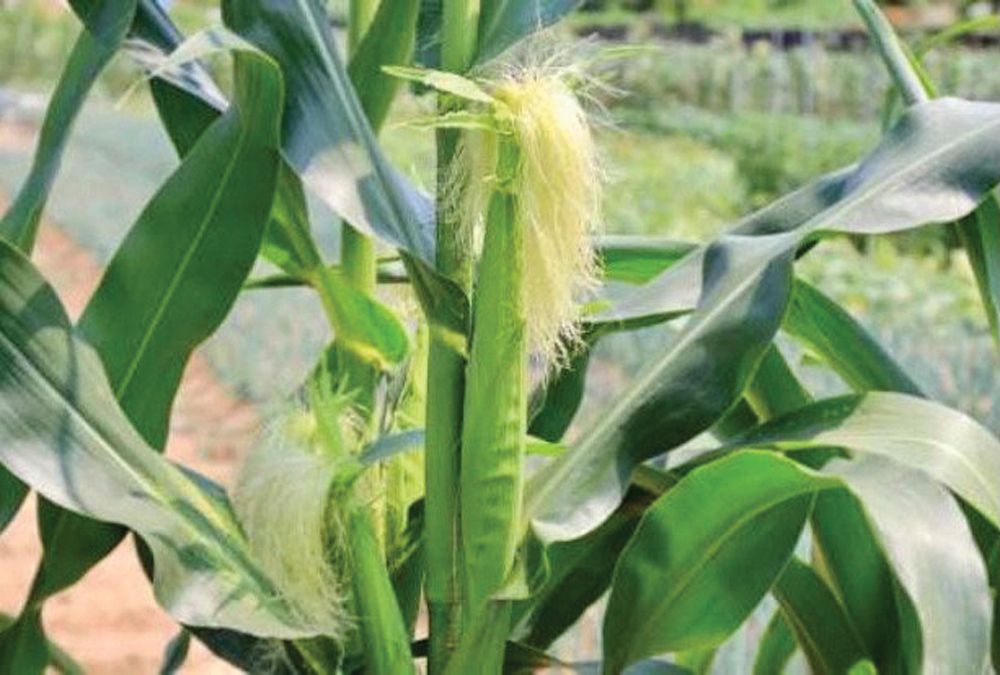
Mould is showing up in some Manitoba cornfields – especially in the southeast – but so far it’s not widespread, said Wilt Billing, area agronomist with Pioneer Hi-Bred.
“It’s not catastrophic, just the early signs of mould developing and Mother Nature is going to determine whether it takes off or not,” Billing said in an interview Oct. 23.
Billing’s advice is to monitor crops where mould is showing up and then test to see what type of mould is present.
Read Also
Who pays for plant breeding? A renewed push for farmer levies
With fed support on the decline, grain sector faces tough choice: pay more out-of-pocket or fall behind global competitors.
Some moulds have little impact on the crop’s feed value, while others such as fusarium head blight, gibberella and diplodia (all fungi) can produce harmful mycotoxins.
Pam de Rocquigny, a feed grain specialist with Manitoba Agriculture, Food and Rural Initiatives, said corn that’s frozen before reaching maturity is more vulnerable to mould. The husks are tighter on the cob, preventing moisture from getting out and air from getting in.
In 2004 mould was widespread in Manitoba’s corn crop, but it was frozen in August. Almost the whole crop was a writeoff that year.
Some mould appeared in corn last year but it didn’t advance, so in most cases it caused little or no harm. [email protected]