
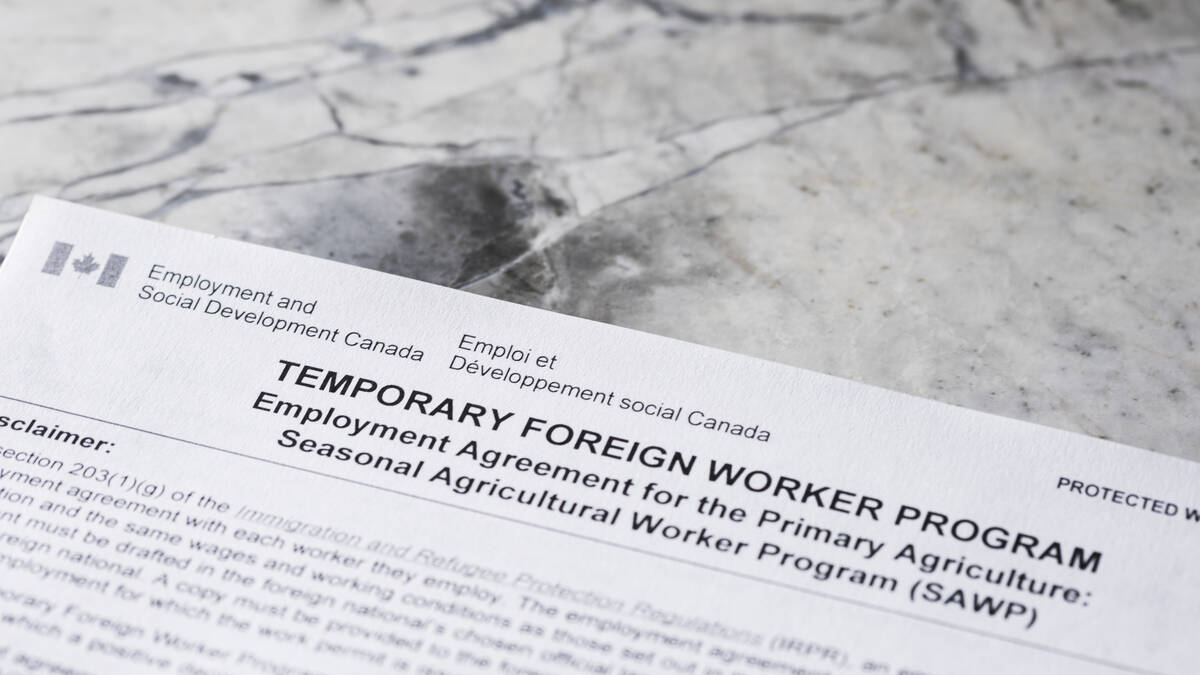
Recent federal moves to relax some restrictions on temporary foreign workers are unlikely to have much influence on agriculture or meat processing.
The federal government on March 13 announced it would — at the request of the provinces — allow rural employers to keep their current number of low-wage temporary foreign workers (TFWs). It will also increase the allowable share of low-wage workers to 15 per cent of employers’ workforces, from 10 per cent. These changes expire next April.
Read Also

Judge clears Manitoba horse exporter
Case dismissed in Manitoba horse export trial; verdict cites shared responsibility for animal welfare during air export and reasonable doubt.
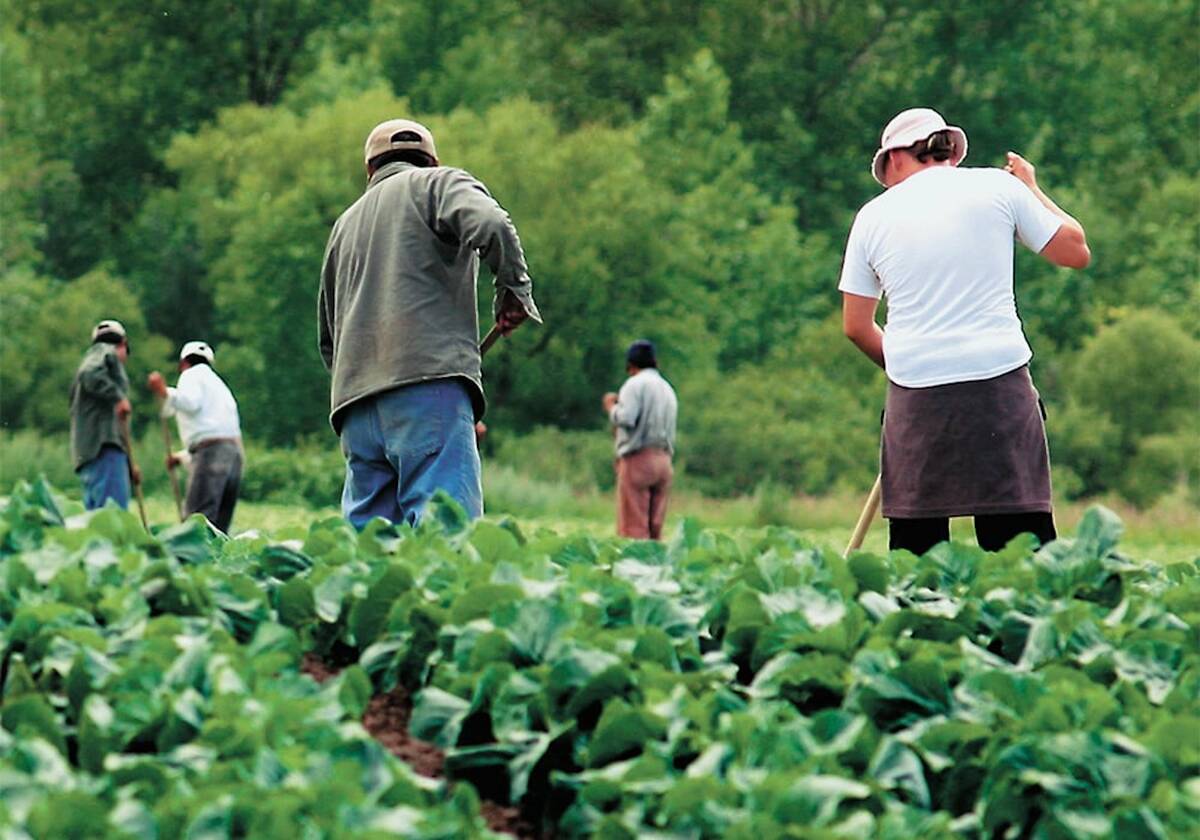
WHY IT MATTERS: Some agricultural sectors, like beekeepers, and fruit and vegetable farmers, rely heavily on temporary foreign workers for seasonal labour.
Rural, in this case, means areas outside of census metropolitan areas, a federal spokesperson said in an emailed statement.
Employers in healthcare, food processing and construction will continue to be subject to a 20 per cent cap. Seasonal sectors like seafood and tourism are exempt from the cap. Agriculture is also not included in the cap.
As of March 19, the federal government did not say if any provinces had applied to decrease caps on workers.
More than 1.3 million work permits set to expire
Earlier this month, the Canadian Federation of Independent Businesses (CFIB) said that more than 1.3 million work permits are set to expire, including more than 300,000 by the end of March.
CFIB isn’t able to give a breakdown of which sectors or TFW stream these workers represent, said the organization’s policy analyst Juliette Nicolaÿ in an interview. However, she said federation members in manufacturing and hospitality sectors said they were struggling to hire local workers. Some retailers may also be affected.
CFIB welcomed the federal government’s temporary changes.
“Any changes that prevent businesses from losing experienced, trained workers is a positive one,” said federation president Dan Kelly in a written statement.
However, the federal measures do not extend work permits for workers already in Canada — one of the CFIB’s asks.
“Employers will still have to apply for a new Labour Market Impact Assessment (LMIA) and demonstrate that they meet all Program requirements, including their efforts to first hire Canadians and permanent residents, and that no domestic workers are currently available to fill the positions, before benefiting from these measures,” a federal spokesperson said.
“There will be no automatic extensions or renewals, including for temporary foreign workers already in Canada.”
Why meat processors want permanent residents, not temporary fixes
While temporary foreign workers are used sparingly by some meat processors, it’s not the main means of bringing in workers, said Kyle Larkin, president and chief executive officer of the Canadian Meat Council. Processors prefer more permanent workers.
The effect of relaxed caps on workers, therefore, will be limited.
However, many processors — particularly those in rural locales — are “desperate for labour right now,” Larkin said.
“I’ve got some members that are operating at about 70 per cent capacity because they don’t have enough workers.”
Meat processors capitalized on the federal Agri-Food Pilot program, which helped “experienced, non-seasonal workers in specific industries and specific occupations immigrate permanently to Canada,” the government’s website says.

However, that pilot ended in May 2025.
“Most meat processors across Canada are now challenged in being able to bring these individuals in,” Larkin said.
The meat council is advocating for the Agri-Food Pilot to be extended and made permanent.
Meat processors also bring in workers through provincial nominee programs. Larkin noted that some provinces have looked to the federal government to increase the number of immigrants allowed under those programs.
In Manitoba, industry groups like the Manitoba Pork Council have cited for the nominee program’s success and have argued for a nuanced approach to immigration, one that takes rural and agricultural labour needs into account.
In the wake of federally driven cuts to the program, Manitoba announced in January it would have to narrow its focus on workers already here (such as temporary foreign workers or international students) rather than accepting as many new international nominees.
Ottawa’s broader push to reduce temporary foreign workers
In recent years, the federal government has made moves to reduce hiring of temporary foreign workers amidst a perceived overuse and abuse of the system. Besides placing stricter caps on certain categories of temporary foreign workers, the government also cut the maximum employment term for low-wage TFWs to one year from two.
The Carney government’s 2026 to 2028 Immigration Levels Plan includes a reduction in temporary resident arrivals as part of a broader “re-calibration” of the immigration system. This includes cutbacks on the number of temporary foreign workers, with the target number dropping from 60,000 in 2026 to 50,000 in 2027 and 2028. The 2025 target was 82,000.
Criticism of the TFW program includes accusations of labour exploitation and less jobs being available to Canadian workers. In September, Conservative leader Pierre Poilievre called on the TFW program to be scrapped and a standalone agriculture program created.
Larkin said meat processors would prefer to hire domestic employees but lack people who want to build a career in the industry.
“There’s massive financial costs to meat processors in bringing in foreign talent,” Larkin said, citing labour market assessments, legal fees, the effort to find workers internationally and potential fees for relocating workers.
Workers who become permanent residents in Canada tend to stay in the sector, Larkin said.