While many producers have a good working knowledge of AgriStability, there are also many who need help on their files.
Manitoba Agriculture, Food and Rural Initiatives farm production adviser Dean Stoyanowski and the team at the North Interlake GO office saw a need to troubleshoot to ensure the program responded better to farmers’ needs.
What they were seeing after 2006, Stoyanowski told an Ag Days audience last week, were a lot of files with errors on them, often due to miscommunication among all parties handling the files.
Read Also
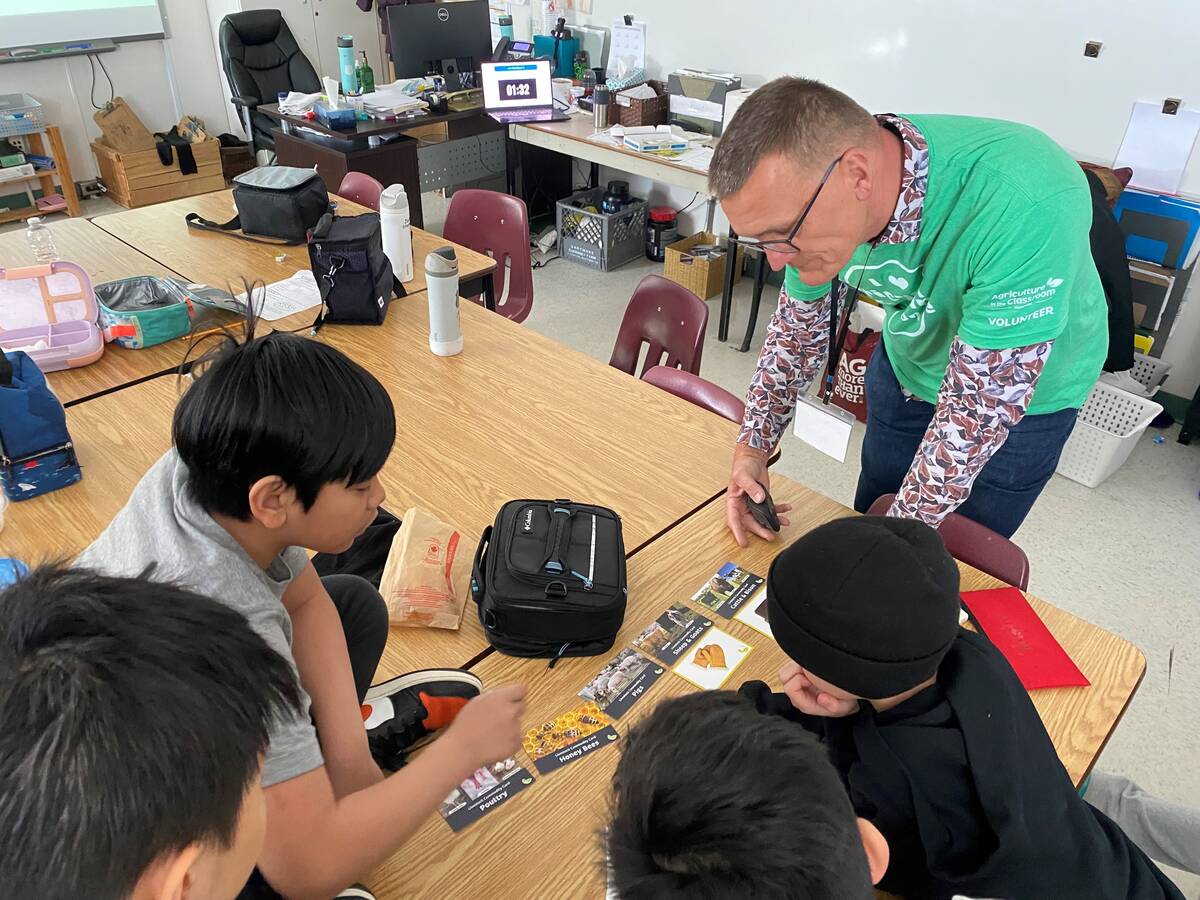
From farm gate to Grade 4: CALM celebrates 15 years in Manitoba classrooms
Canadian Agriculture Literacy Month marks its 15th year with 159 volunteers visiting 436 Manitoba classrooms to connect students with agriculture.
That bothered him more than a little. “I’m a farmer myself, so I hate to see producers leaving money behind from a program that’s supposed to work for them.”
Stoyanowski and other staff at the North Interlake MAFRI GO office began working closely with farmers, reviewing numerous producer files, helping troubleshoot and adjust AgriStability information to ensure the program responded better.
The more you scrutinize your program information on coverage levels and productive capacities, the more the program is likely to work for you.
Over the past three to four years, they’ve caught a lot of costly errors.
“I haven’t added it up lately, but our Arborg office has probably made a difference to the tune of about $1 million in the north Interlake just by helping with people’s files,” Stoyanowski said.
Stoyanowski said when he sits down with farmers a key question he’ll ask, “is the reference margin realistic?” Reference margins should meet your non-allowable expenses, debt payments and living expenses and maybe even cover some profit, he said.
He’s deemed $300 a cow or better as a good reference margin for livestock producers, and estimates that it should be between $100 to $150 an acre for commodities.
Stoyanowski also looks at how the file reflects farm productive capacity using the Calculation of Program Benefits or COB.
“That calculation of benefits is where most of the information is,” he said, adding that farmers need to double-check to ensure numbers that reflect acres and herd size are relevant and up to date.
“The other thing we want to look at is those inventory quantities and inventory values and make sure they’re accurate for your farm,” he said. “Make sure they’re all realistic.”
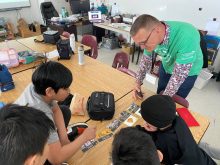
Staff with the North Interlake GO team in early 2009 developed a two-session workshop for producers to better understand the AgriStability program.
They had very good uptake for it and if other farmers’ would like to use the resource, it’s available, Stoyanowski said.
“The template is there and it’s a nice package so it could be delivered out of any other GO office.”
Stoyanowski said he’s also glad to take calls directly at his Arborg office. [email protected]
———
“OurArborgofficehasprobablymadeadifferencetothetuneofabout$1millioninthenorthInterlakejustbyhelpingwithpeople’sfiles.”
– DEAN STOYANOWSKI, MAFRI GO OFFICE FARM PRODUCTION ADVISER