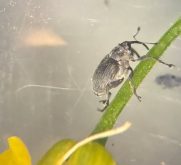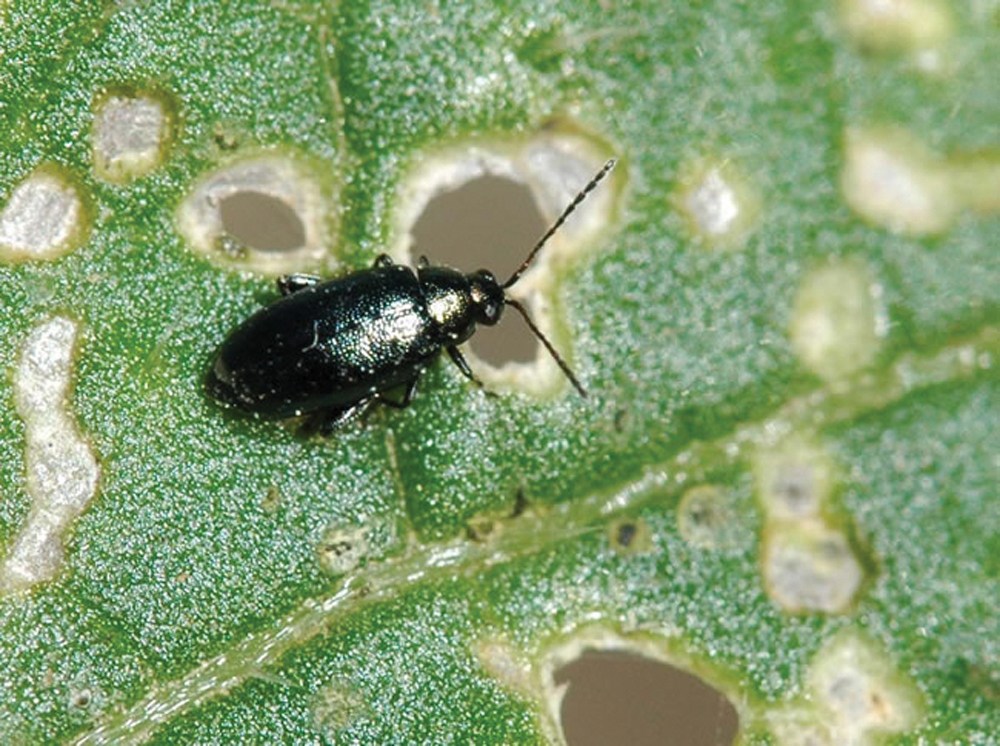
How would you like a canola plant that just got tougher as flea beetles tried to eat it?
Eventually that may become reality if new research from the University of Illinois pans out over time.
Researchers there have been studying a group of plants known as “overcompensators,” which react to being clipped by increasing their plant chemistry to grow faster and create a sort of “plant venom.”
The study, published in the journal Ecology is the first to link this activity to three interconnected molecular pathways. That’s significant because it could lead to the development of new methods to boost growth and reduce the need for insecticides, researchers say.
Read Also
PHOTOS: Farming in focus at Royal Manitoba Winter Fair
The 2026 Royal Manitoba Winter Fair once again brought farm education, thrilling horse sports and livestock events to Brandon.
“We found that the plants that overcompensated — with higher reproductive success after having been damaged — also produced more defensive chemicals in their tissues,” said graduate student Miles Mesa.
About 90 per cent of herbaceous flowering plants engage in a process called endoreduplication — duplicating all of the genetic material in their cells without cell division, the researchers said. This process increases cell size, allowing the plants to quickly rebound from damage.
Each round of endoreduplication doubles a cell’s output. Having twice as many active genes means the cell can pump out more proteins needed to perform cellular tasks.
Some plants multiply their genomes again and again in response to being browsed. One example is scarlet gilia, a red-flowered plant that grows in western North America and is browsed by elk and mule deer.
Researchers say in some cases they’re seeing productivity doubling and tripling after the plants are cut.