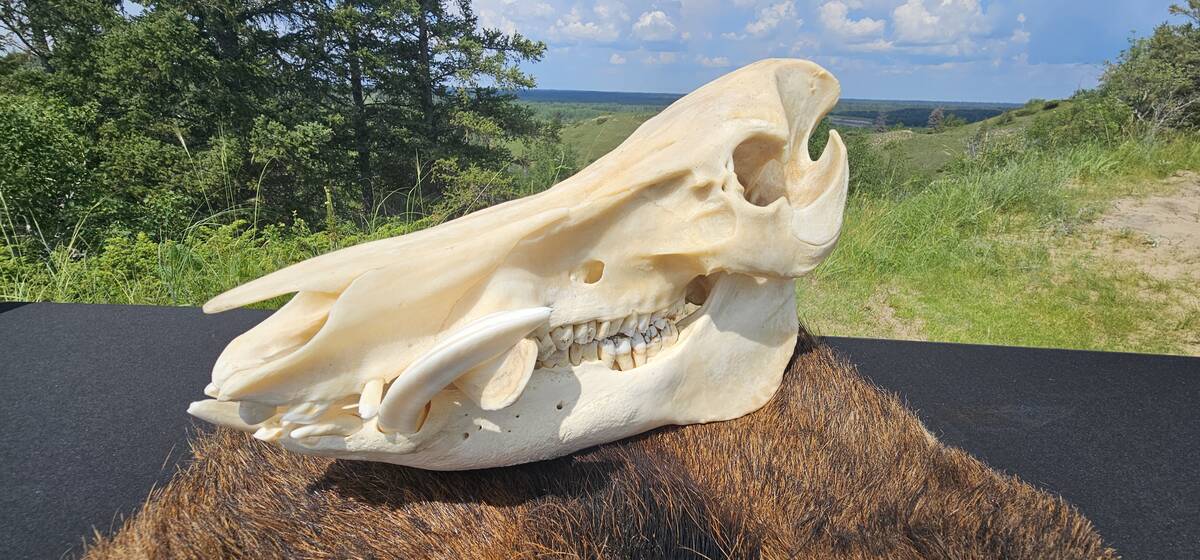
Manitoba’s efforts to eliminate invasive wild pigs are showing signs of progress, said the latest annual report from the Squeal on Pigs program.
“It’s difficult to say for sure, but I don’t think the problem is expanding,” said Wayne Lees, project co-ordinator with the program. “In fact, I think we’re starting to make some significant progress.”
WHY IT MATTERS: Improved surveillance, trapping and landowner co-operation has helped those tasked with curbing Manitoba’s wild pig problem locate and remove the animals, which pose risks to farms and livestock.
Read Also
Who pays for plant breeding? A renewed push for farmer levies
With fed support on the decline, grain sector faces tough choice: pay more out-of-pocket or fall behind global competitors.
The 2025 year-in-review report highlighted ongoing removal efforts, improved surveillance tools and expanded collaboration across the province.
Like other parts of Canada where the invasive species has dug a foothold, wild pigs remain a concern for farmers and rural communities. They damage crops and habitat, contaminate water sources and can spread diseases that threaten livestock, experts warn.
Finding pigs remains biggest challenge
The hardest task is simply locating the animals.
“I think finding the pigs is always our biggest challenge,” Lees said. “Once we know where they are, then we’re pretty good at taking steps to remove them.”
The program has continued to concentrate much of its work around the Spruce Woods area, which is considered Manitoba’s main wild pig hotspot.
“We know that’s where our biggest population of wild pigs reside,” Lees said.
The annual report said Spruce Woods Park and surrounding areas remain the most significant concentration of wild pigs in the province, while a smaller but persistent population exists near northern Lake Manitoba.
As the population declines, however, the work is becoming more difficult, he added.
“As a program matures, of course, then you have to look harder and harder to find the pigs,” Lees said.
The pattern on the ground suggested numbers are falling, according to field operations manager Devon Baete.
“We’re lower,” Baete said. “We get less and less sightings reported.”
He added that the pigs the program is removing now are harder to reach.
“The ones we’re removing are all deep, deep in areas,” he said.
The report noted 240 sightings were recorded in 2025 from public reports, trail cameras and drones. Surveillance increased significantly during the year, and field teams removed 206 pigs, much of that activity occurring during winter months.
Technology plays pivotal role in surveillance
Technology is playing an increasingly important role in tracking the animals. Thermal-imaging drones have become a key surveillance tool because they can locate pigs hiding in bush or thick vegetation.
“They’ve been a real game changer for us, in that they allow us then to scout areas that would be very, very difficult to scout on foot,” Lees said.
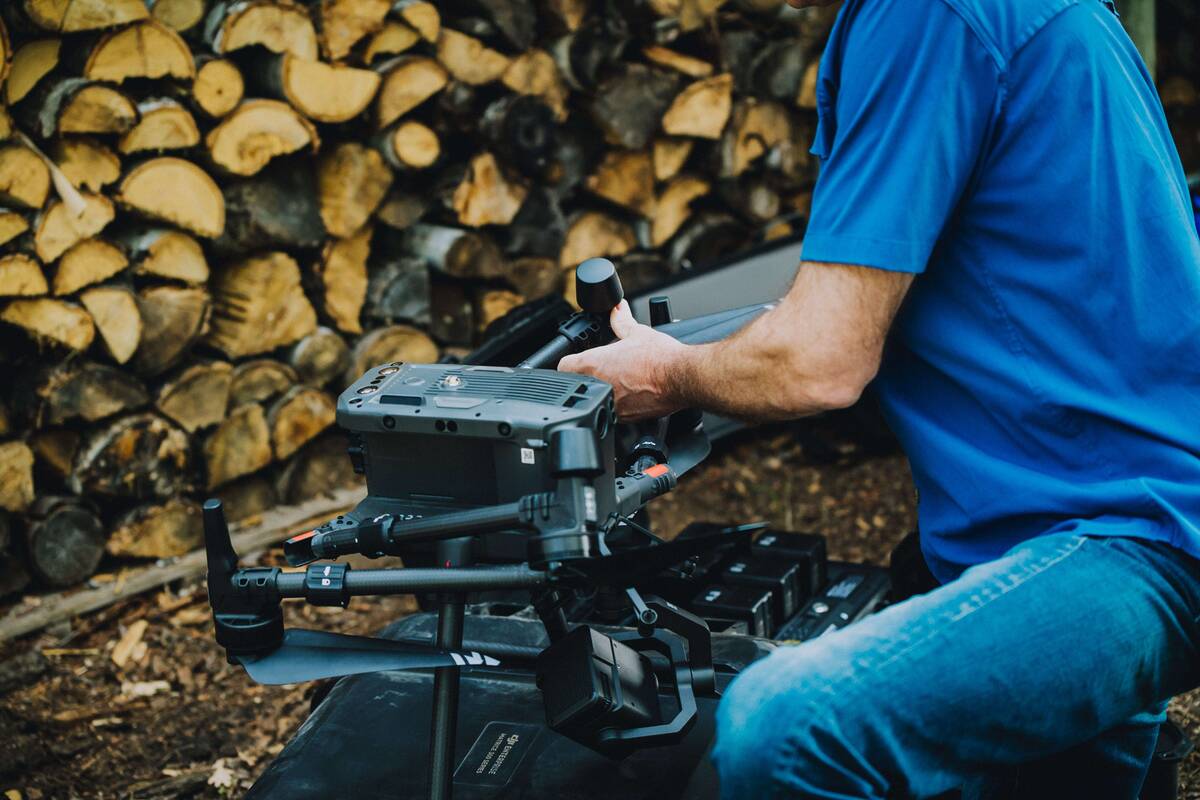
Winter conditions make the technology especially effective.
“Right now, (with) snow cover, when it’s frozen and cold everywhere on the ground, you can locate a pig anywhere in the province,” he said.
Trapping and landowner co-operation key
Trapping remains another central part of the program. Large metal corral traps are commonly used near farmland where pigs move between bush and crop land, while net traps are sometimes deployed in remote or forested areas.
“The net traps work excellent,” Baete said. “They’re very good at capturing wild pigs.”
But wildlife safety and local conditions determine which equipment is used, including what other wildlife or livestock are nearby, he said.
Landowner participation remains key to the program. The report noted that each month staff typically speak with about 250 landowners, operate 25 to 30 traps and deploy roughly 100 trail cameras across the province.
Researchers are also testing environmental DNA techniques to detect pigs in remote areas by analyzing water samples for genetic traces left by animals moving through watersheds. The method could help confirm whether pigs are present in areas where sightings are rare.
Preparing for disease threats
Another growing focus is disease preparedness, particularly for African swine fever (ASF), which could have major consequences for Canada’s pork sector.
“One of our goals is to prepare for any kind of an emergency that’s related to foreign animal disease,” Lees said.
If ASF was found in wild pigs, it would close the border just as quickly as finding it in a domestic herd, he added.
The program is also developing an emergency response template that could be used by other provinces.
“Manitoba elected to be the pilot project,” Lees said. “We’ll develop the chapter and then share that template with the other provinces.”
The report said Manitoba is working with national partners to improve mapping of wild pig populations and strengthen co-ordination across provinces as part of a broader Canadian strategy.
Reporting sightings integral
While the program is encouraged by progress, eliminating the animals will take time.
“I think that if we’re persistent, we have a really good opportunity within the next decade, for sure, to get rid of them,” Lees said.
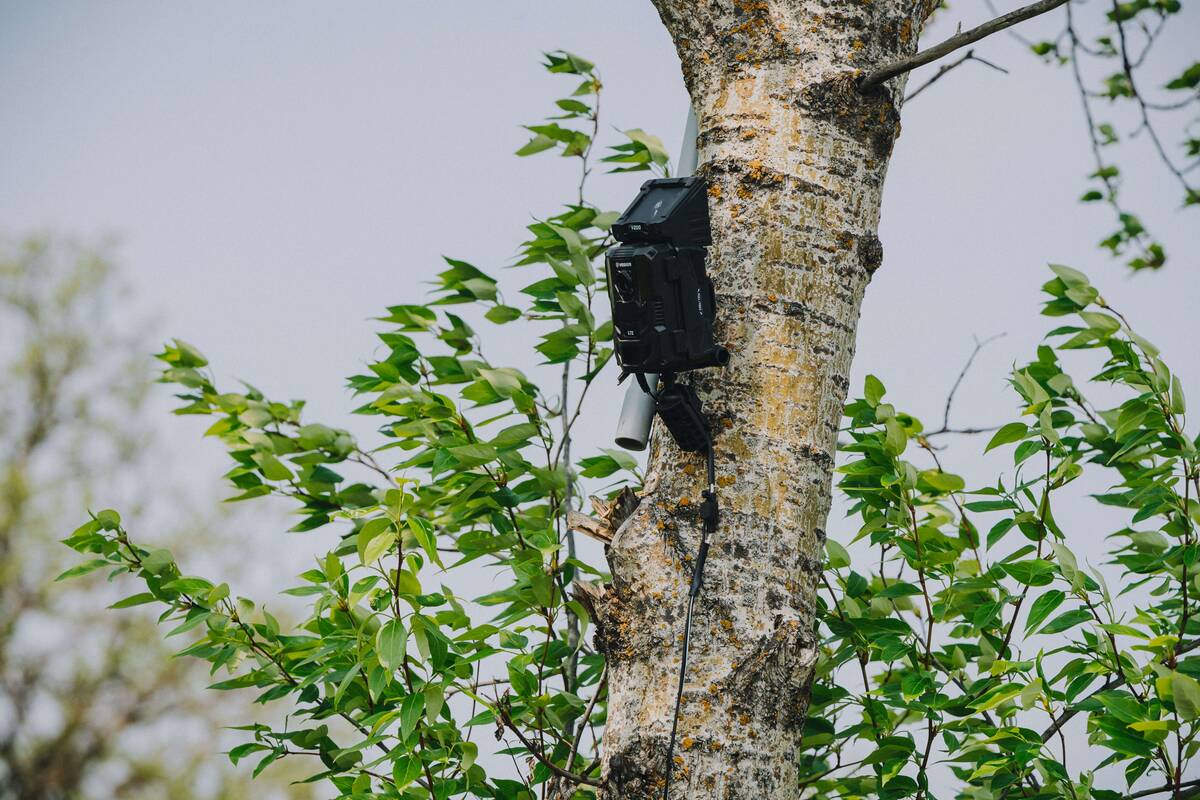
Public reports from farmers and rural residents remain critical to that goal.
“If landowners do know of wild pigs in their area, make sure they get hold of us,” Lees said. “We’ll come out and we’ll work with them and trap the pigs and get rid of them.”
Baete echoed that message.
“Every sighting is important,” he said. “Even if it’s just somebody thinking it’s rooting on the edge of the field.”
To report a wild pig sighting, visit squealonpigsmb.org, or call 1-833-SPOT-PIG.