
Manitoba farm leaders say the province’s 2026 budget delivers needed support at a difficult time, but leaves key concerns around costs, taxation and infrastructure unresolved.
WHY IT MATTERS: Manitoba farmers are facing down surging input markets, driven by the U.S.-Israeli-Iran war and other geopolitical uncertainty, bloated inflation and other serious profitability concerns.
Trade and tariff uncertainty, combined with rising fuel and fertilizer prices, are top of mind for farmers at the moment, said Colin Hornby, general manager of Keystone Agricultural Producers (KAP).
“These are challenging times, and KAP will continue working with the provincial government to advocate for Manitoba farmers,” Hornby said, adding that continued funding for loan programs, veterinary initiatives, improved insurance coverage, and new trade initiatives are all good news for the industry.
Risk management and lending improvements
Read Also
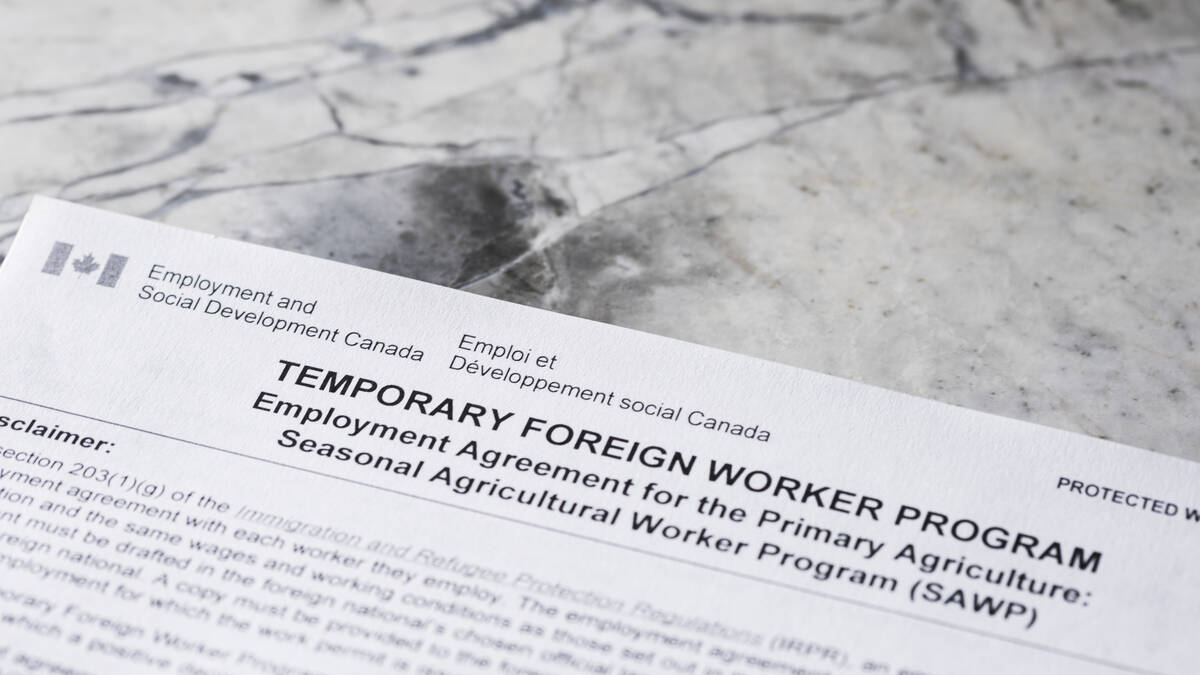
Meat sector shrugs at raised cap for rural temporary foreign workers
Federal moves to relax restrictions is unlikely to change much for agriculture or meat processing, where the real ask is permanent residency pathways.
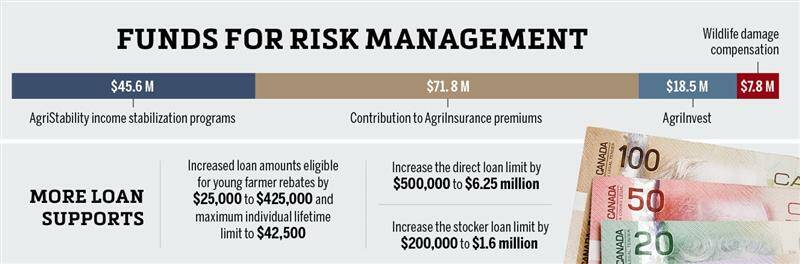
The province’s budget, announced by Finance Minister Adrien Sala on Mar. 24, includes $143.7 million for business risk management programs, alongside expanded lending limits, new insurance incentives and continued cost controls such as a freeze on Crown land lease rates.
Vet recruitment funding welcomed by farm groups
Manitoba Beef Producers (MBP) and KAP also welcomed new funding to support the Veterinary Medical Services Strategy, including $201,000 for tuition rebates, $100,000 for a veterinary recruitment program aimed at bringing newly licensed veterinarians to rural Manitoba, $50,000 for clinical mentorships to support internationally educated veterinarians, and $221,000 for the VetSTEP program.

“As a partner in the creation of the Manitoba Veterinary Medical Services Strategy, new funding focused on veterinary recruitment in rural areas and for clinical mentorships for internationally educated veterinarians, as well as increases to tuition rebates and summer employment opportunities, will help with addressing the veterinary shortage.”
— KAP president Jill Verwey
Beef producers applaud Crown land freeze and lending expansion
MBP also applauded the Crown land rental rate freeze (extended to 2026 last fall), support for the Livestock Predation Prevention Program, and more lending options through Manitoba Agricultural Services Corporation (MASC), said MBP president Arvid Nottveit.
“The beef industry is a key economic driver in Manitoba, responsible for more than $900 million in farm cash receipts and helping to support many businesses and services,” he said. “We recognize the government’s willingness to support initiatives aimed at advancing Manitoba’s cattle industry.”
MBP plans to keep working with the province to tackle ongoing challenges, such as boosting inspection capacity, improving Crown land management, addressing wildlife problems, upgrading infrastructure, and shaping future policy.
Trade diversification moves to forefront
The budget also points to a stronger emphasis on trade, including plans for a new economic development agency and a forthcoming diversification strategy.
KAP’s current Agricultural Trade Action Plan lobbies the province to be proactive when it comes to market access to make sure the needs and priorities of producers are protected, Hornby said.
“We look forward to working with the government on its Manitoba’s Trade and Diversification Plan and urge them to have agriculture at the forefront of this plan,” he said.
Manitoba Pork general manager Cam Dahl echoed KAP and MBP’s positive notes on the budget.

“Manitoba Pork is appreciative of the provincial government’s ongoing commitment to supporting the agriculture sector, both through this budget and through their continued engagement on files like trade that are deeply vital to our sector.”
— Manitoba Pork GM Cam Dahl
Photo: Manitoba Pork Council
Tax, drainage and red tape concerns linger
It’s not all sunny news though. Despite the new spending in the budget, KAP says several longstanding priorities were not addressed, including tax, drainage and regulatory burden.
The group will continue to lobby for a tax credit program for young farmers, axing the educational property tax on farm properties and other initiatives that would cut down on red tape for producers, Hornby said.
“Additionally, maintenance of the drainage network continues to be a top concern identified by Manitoba farmers, and this will require enhanced investments to ensure a modern, maintained drainage network that works for Manitoba farms.”
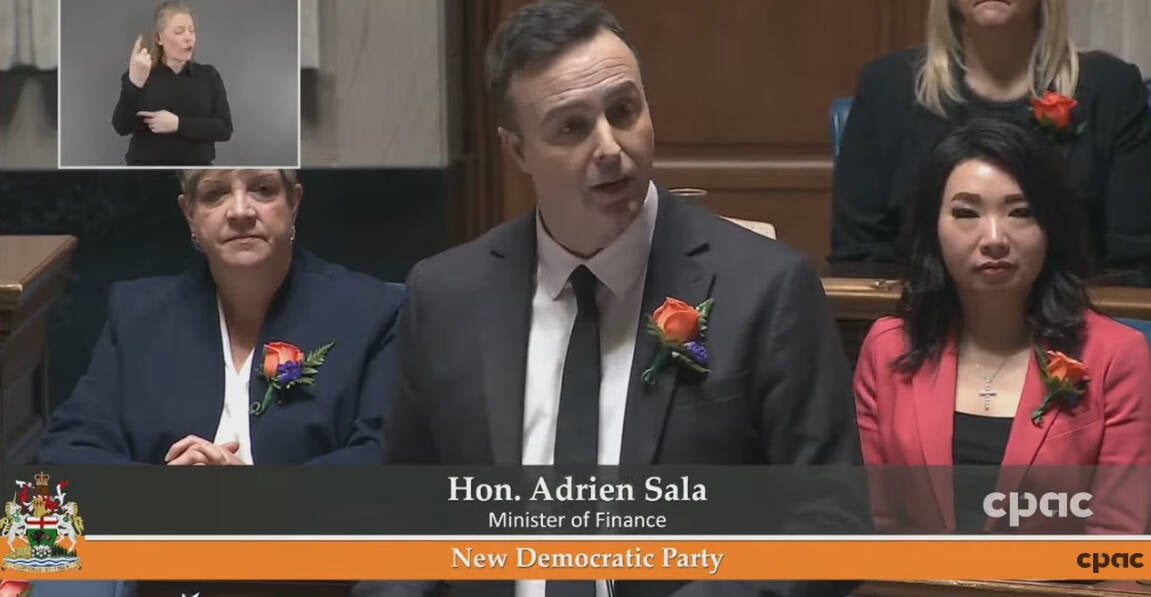
Funding in the budget is intended to help producers manage volatility, including ongoing trade uncertainty and geopolitical pressures affecting input costs, Sala said.
“We’re doing the important work of making sure (producers) have adequate access to those programs we know will help our producers across the province.”