Reuters – U.S. meat and poultry processor Tyson Foods was sued Feb. 2 for allegedly defrauding shareholders with misleading disclosures about its ability to combat the spread of the coronavirus in its facilities.
The lawsuit, which seeks class-action status, was filed in Brooklyn federal court by Mingxue Guo, who lives in Canada, and seeks unspecified damages for Tyson shareholders from March 13 to Dec. 15, 2020.
It followed a Dec. 15 letter from New York City comptroller Scott Stringer to the U.S. Securities and Exchange Commission that asked the regulator to investigate Tyson’s health and safety disclosures to investors, which include the $229-billion New York City Retirement Systems.
Read Also
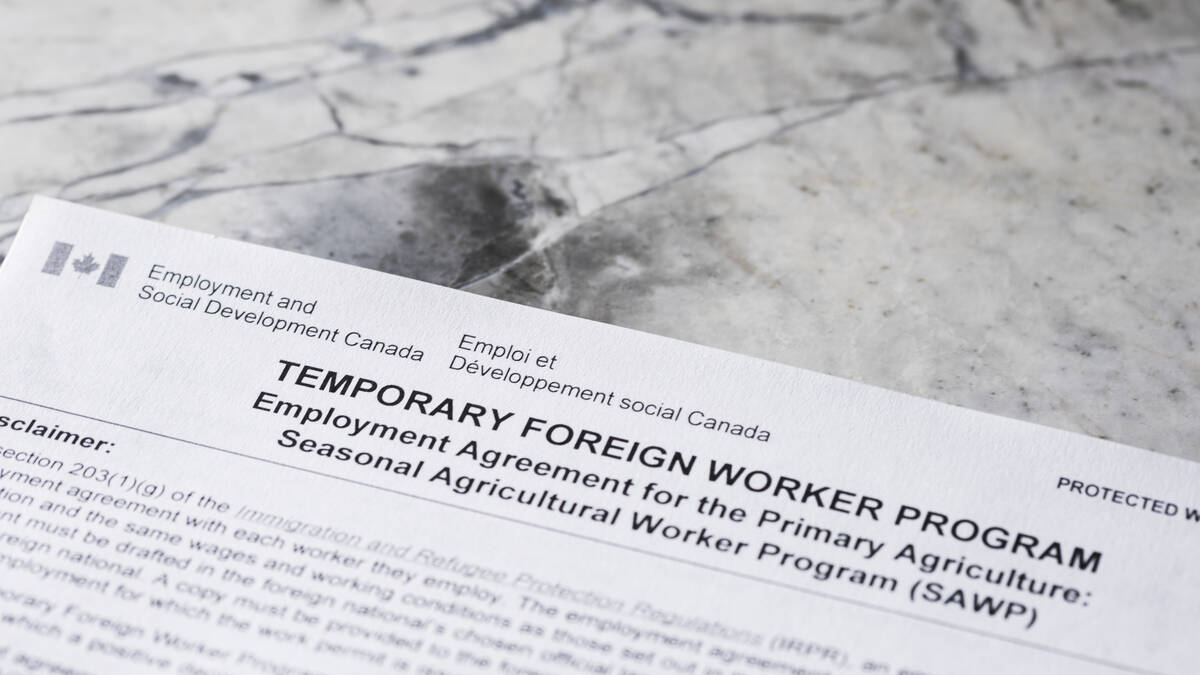
Meat sector shrugs at raised cap for rural temporary foreign workers
Federal moves to relax restrictions is unlikely to change much for agriculture or meat processing, where the real ask is permanent residency pathways.
Tyson’s share price fell 2.2 per cent on Dec. 15 and 8.5 per cent over five trading days after Stringer accused the company of “flagrantly misrepresenting its poor pandemic response,” and called on the SEC to probe Tyson’s claims it had been adhering to federal safety guidelines.
Tyson spokesman Gary Mickelson defended the company’s handling of the pandemic, saying it has spent more than $500 million on employee safety, including coronavirus tests on thousands of workers a week.
“Our top priority will always be the health and safety of our people,” Mickelson said.
Stringer’s letter to the SEC cited reports that Tyson had more than three times as many COVID-19 cases — 11,087 as of Dec. 3 — and twice as many deaths as any other meat-packing company.