
Keystone Agricultural Producers (KAP) president Jill Verwey was measured when talking about the results of the U.S. election and how trade implications from a second term of president-elect Donald Trump could affect local farmers.
“His tone can be harsh, but I think that the president elect knows how important Canada and Mexico are to North American trade,” Verwey told her organization’s members during a KAP district meeting in Selkirk Nov. 15.
Why it matters: The Canada-U.S.-Mexico Agreement is coming up for review in 2026. After this month’s U.S. election, that review is set to take place under a second Trump presidency, alarming Canadian farm groups who noted his protectionist trade stance during his campaign.
Read Also
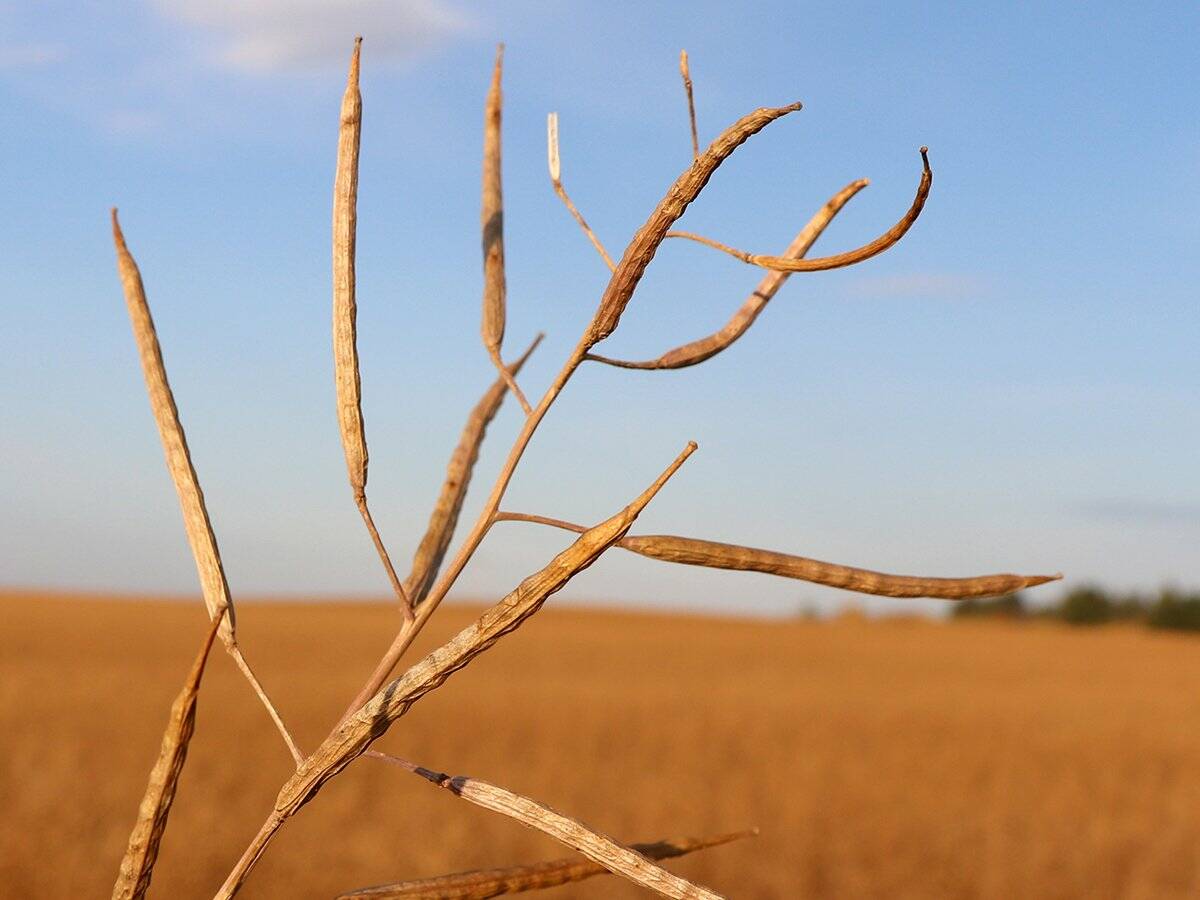
Manitoba canola variety trials axed
Industry reluctance killed the program designed to give farmers unbiased comparisons of seed performance across the province.
Concerns have been raised among American trade partners over Trump’s “America First” trade policies. Those worries have been echoed in Canada’s agriculture sector.
Tariff’s featured heavily in Trump’s trade-related talking points during his presidentail bid. That includes a promised 10 per cent blanket tariff for all American imports, as well as tariff threats against Mexico and China.
Verwey, however, said the long-standing relationship between Canada and the U.S. should be able to weather the storm.
“It’s loud and clear that the administration in the United States values Canada,” she said. “And even when it comes to the discussions of this 10 per cent tariff, we have to trust in that relationship and work on building that trust with the United States.”
U.S. industry and the U.S. agricultural sector also recognize Canada’s importance, she argued. She said there is a common view of the two countries as part of a single, integrated market. In particular, she noted the harmonization between U.S. and Canadian pork and beef sectors, as well as strong connections between biofuel and grain markets across the border.
She also brought up the impending review of the Canada-United States-Mexico Agreement (CUSMA) in coming down the pipe in 2026. That deal was initially signed under a Trump administration, she noted, and it wasn’t all doom and gloom.
“There were some really good things that came under the last agreement,” she said.
She added that, when it comes to CUSMA, rather than worrying about external factors outside of their control, the Canadian agricultural industry should look inward. She stressed the need for unity within Canadian agriculture, and that the various sectors should avoid being adversarial and work more collaboratively.
“I think we have to do a better job in agriculture to ensure that we’re speaking one with one voice,” she said. “Respecting other sectors and how they market and facilitate their trades is very important.”