
Uncertain trade with the United States was top of mind for Manitoba farmers when the Keystone Agricultural Producers (KAP) called their annual general meeting to order on Feb. 3 in Winnipeg.
Once rock-solid markets now have serious questions over the stability farmers’ access, producers worried. Meanwhile, leaders of Manitoba’s farm organization keep urging governments to protect and expand export opportunities for Manitoba producers.
KAP President Jill Verwey noted how much trade disruptions, tariffs and counter-tariffs remain a major risk for Manitoba farms, most of which rely heavily on export markets. Impacts from disrupted supply chains have directly rippled out onto farm operations, as has reduced competitiveness.
Read Also
Fertilizer industry optimistic as Ottawa commits to cutting red tape
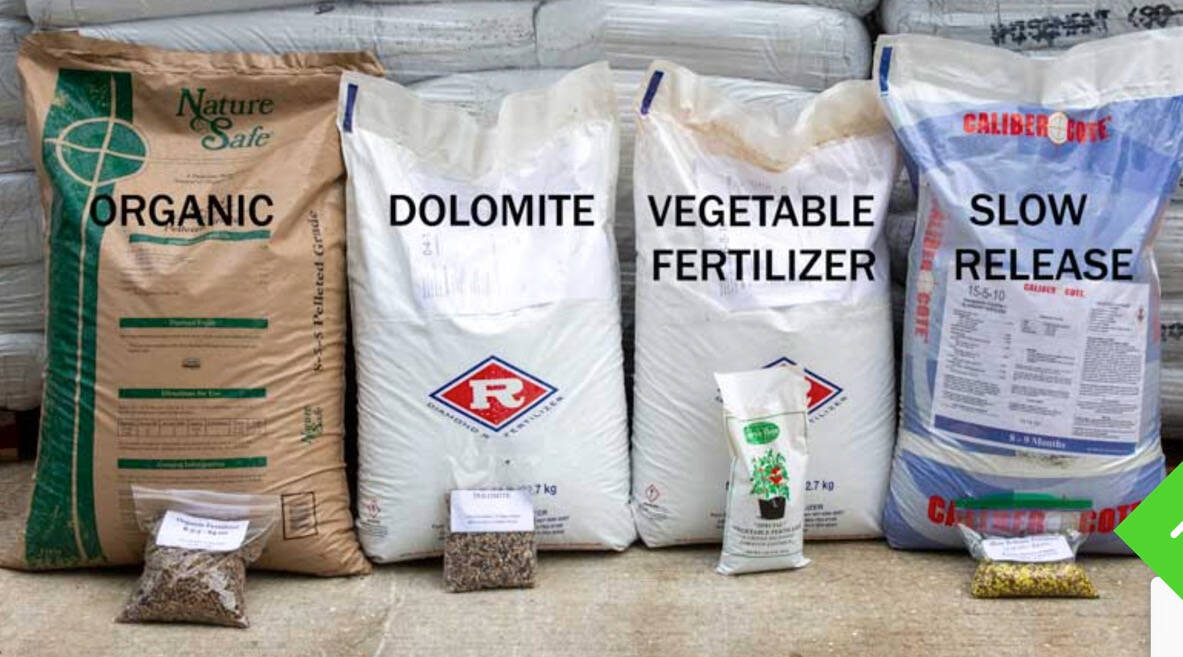
Federal ministers and bureaucrats are now willing to modify or eliminate unhelpful regulations, including a rule that required complex bilingual labels on fertilizer delivered to Canadian farms. The CFIA extended the bulk fertilizer labelling deadline to July 2027.
Increased market access and a rules-based trading environment that reflects producers’ needs remain on the farm groups’ advocacy list, Verwey added.
WHY IT MATTERS: Trade uncertainty has thrown a wrench into decades of trade relationship status quo, leading to renewed attention on things like trade diversification and domestic economy building.
Verwey is just one of several farm and government voices raising similar alarms. Governments, think tanks, national farm organizations and commodity groups have all repeatedly commented on Canada’s potentially tenuous trade future.

U.S. farm groups back trade integration
Brodie Berrigan, senior director of government relations and farm policy with the Canadian Federation of Agriculture, told KAP delegates that market diversification and defending existing trade agreements will be top federal priorities in 2026. He noted that agriculture groups across Canada, the United States and Mexico have taken the unusual step of jointly signalling support for continued free trade, ahead of the scheduled review of the Canada-U.S.-Mexico Agreement (CUSMA).
Discussions with U.S. farm groups have highlighted how closely food security and national security are now linked in American policy debates, he said. That creates both risks and opportunities for Canadian exporters.
Berrigan cited U.S. reliance on Canadian potash as one example of how important market integration in North America is, and said his counterparts at the American Farm Bureau Federation recognize how interconnected the two countries’ agricultural sectors are.
“They hear us and they understand that they cannot do ag in isolation,” he said.
Manitoba Agriculture Minister Ron Kostyshyn struck an optimistic tone on trade, telling producers the province remains well-regarded among U.S. trade partners and is actively working to strengthen state-level relationships. He said Manitoba is also pursuing new opportunities in Europe and Asia, including renewed access to Pakistan’s canola market and efforts to expand trade with China and Hong Kong.
“We need strong, diverse markets,” Kostyshyn said.
Transportation infrastructure (Port of Churchill included)
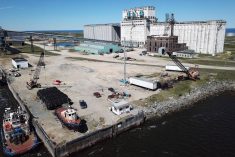
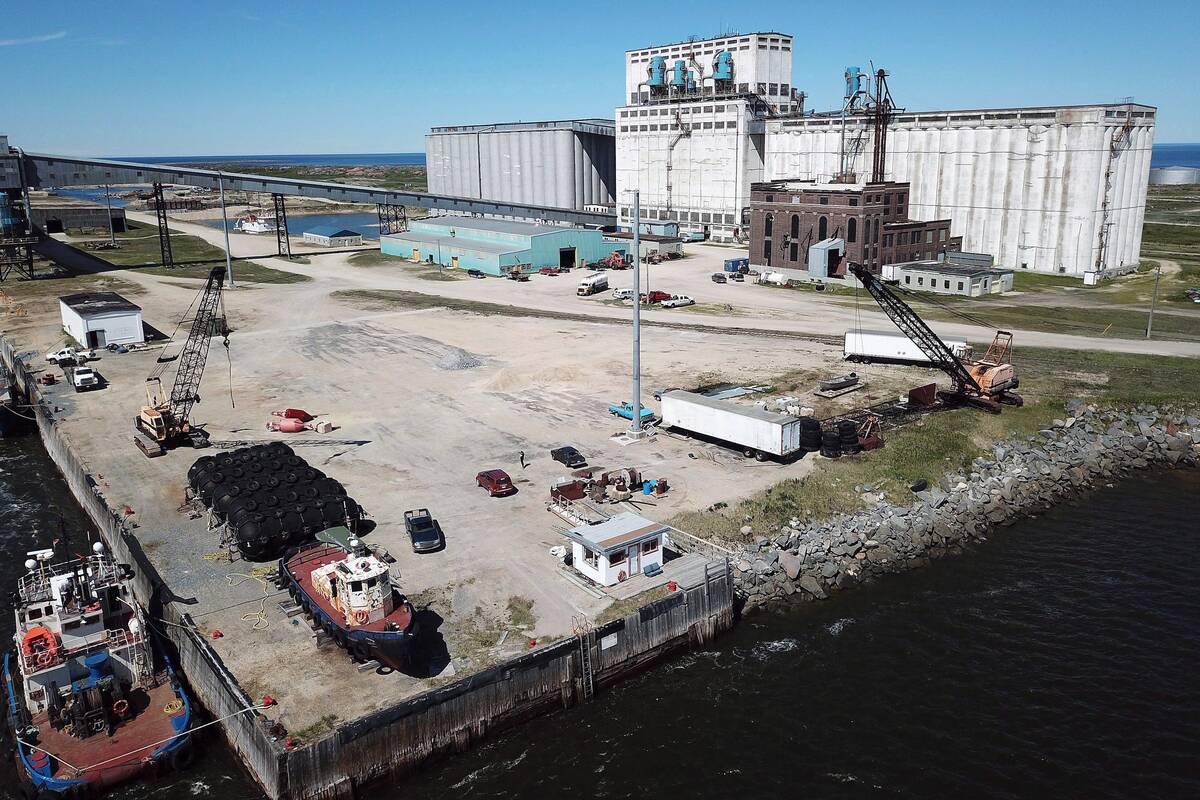
He pointed to continued provincial support for the Port of Churchill. It’s part of Manitoba’s broader trade and transportation strategy, described by the minister as a long-term opportunity to move agricultural exports to global markets.
Verwey also flagged continued investment in the Port of Churchill as part of KAP’s growing role in national policy discussions.
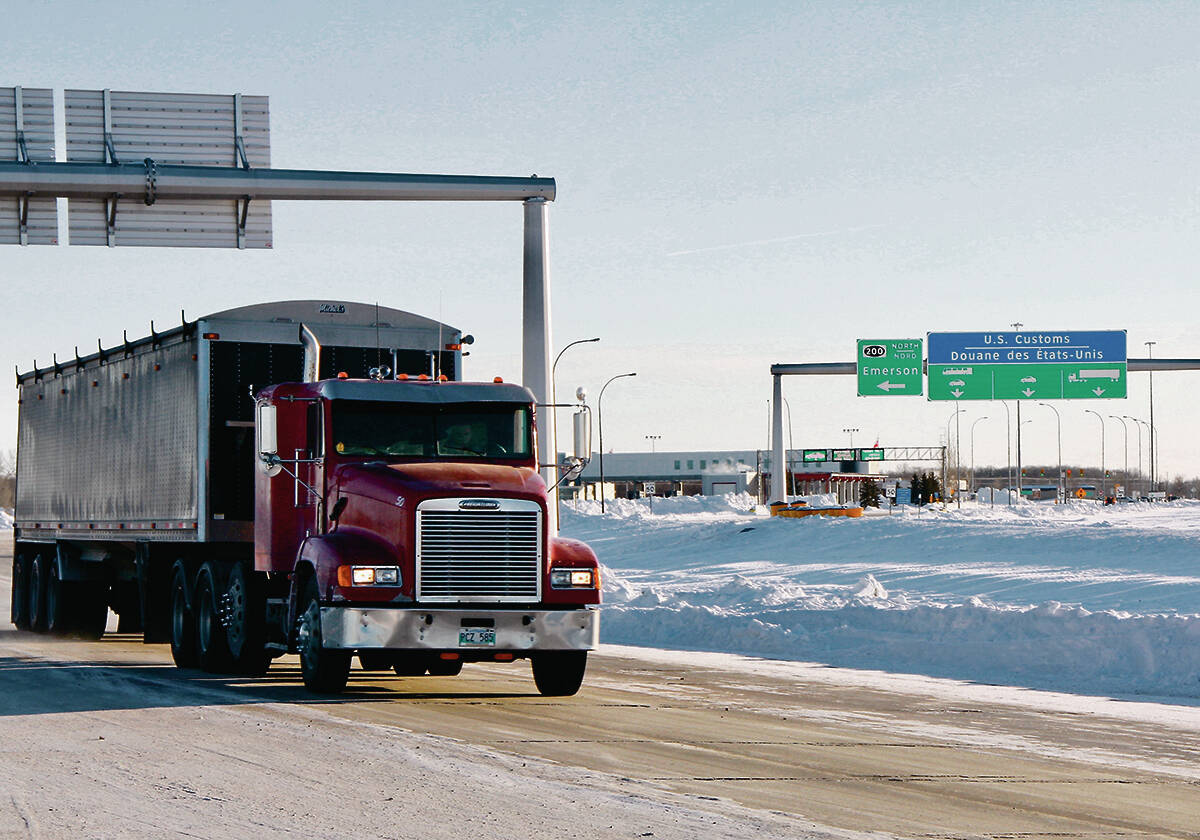
Transportation also featured on the floor of this year’s KAP resolutions. A resolution put forward by students from the University of Manitoba’s agriculture diploma program called on KAP to lobby for expanded RTAC-designated roads in Manitoba to improve the movement of heavy farm equipment. The resolution passed.
Movement on KAP files
Beyond trade, Verwey highlighted advocacy wins over the past year, including changes to disaster financial assistance programs, permanent fuel tax reductions and progress on right-to-repair legislation.
KAP general manager Colin Hornby said the organization is placing a renewed emphasis on transparency and member engagement, including the launch of a public resolution tracker and an expanded online annual report. Hornby said trade advocacy remains a core focus, alongside labour, regulatory modernization and governance reforms.