Government doesn’t understand the financial risk or the long-term commitment required to turn a bright idea into an innovative product and then bring it to market, says a former senior bureaucrat with Agriculture and Agri-Food Canada.
Fostering innovation is one of the centrepieces of the revamped Growing Forward 2 program, and that’s a major change in attitude, economist Doug Hedley said at a recent agriculture economics conference. In past, governments have feared companies will profit from discoveries made by publicly funded research, he said.
But a new attitude won’t automatically lead to a host of innovative new products, he warned.
Read Also
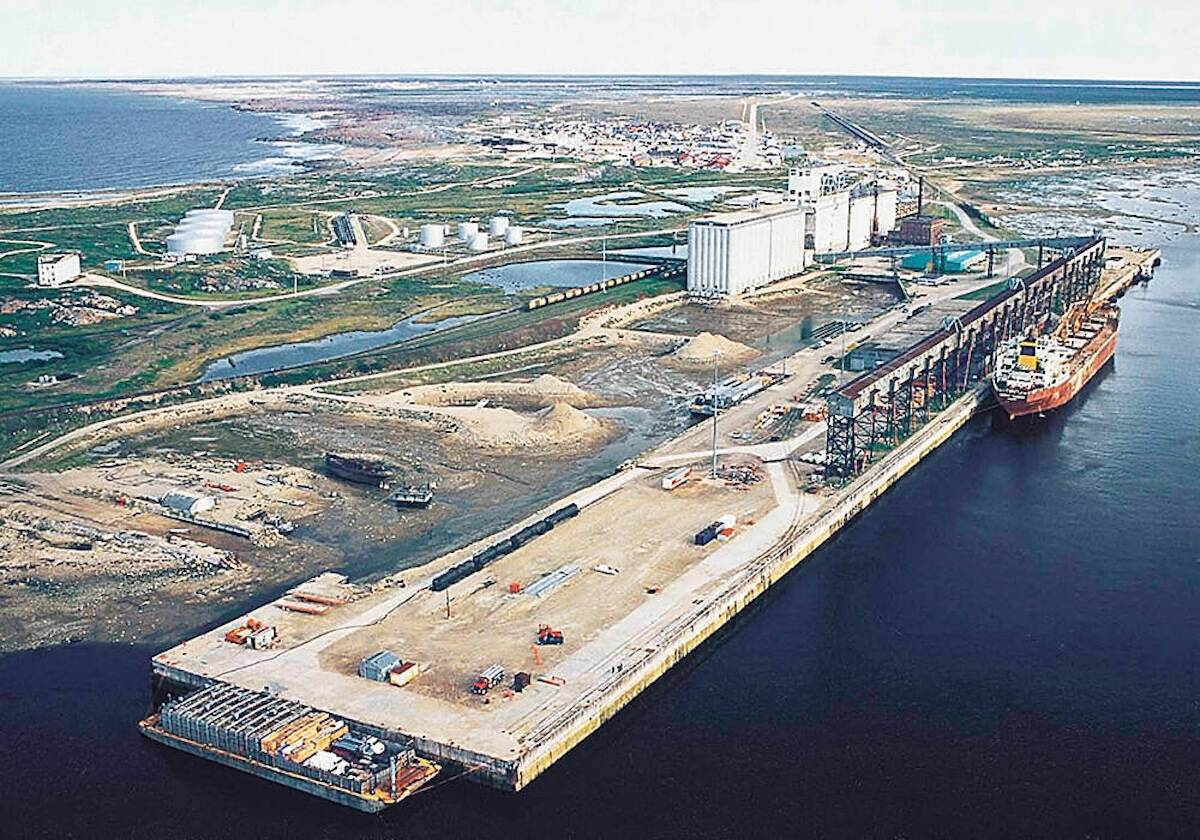
Manitoba, Ottawa sign deal to fast-track projects like Port of Churchill expansion
Manitoba and Ottawa have signed a regulatory streamlining agreement that names the Port of Churchill expansion as a priority infrastructure project.
The timeline for new products is long — as much as a decade or more — and governments will usually only commit to a couple of years of funding for a particular program, he said. And while the private sector could, in theory, cherry-pick promising government-funded research conducted by universities, it’s not an easy process, said Hedley, a senior federal mandarin for nearly three decades.
“Governments aren’t connected well enough to appreciate the financial risk private companies take on or the long-term nature of developing a product,” he said.
As well, both government and university researchers focus on projects that can be used to write papers for publication and win awards, he noted.
Another challenge is that few Canadian companies have any research capacity and foreign-owned ones would only consider research work here if it came with assistance from government or other partners, he added.
Ottawa supports exploratory research through the Natural Sciences and Engineering Research Council while Growing Forward leans toward the collaboration needed to bring new products and techniques to market.
Hedley said Canada should continue traditional wheat-breeding research, in combination with work on the wheat genome, to develop improved varieties.