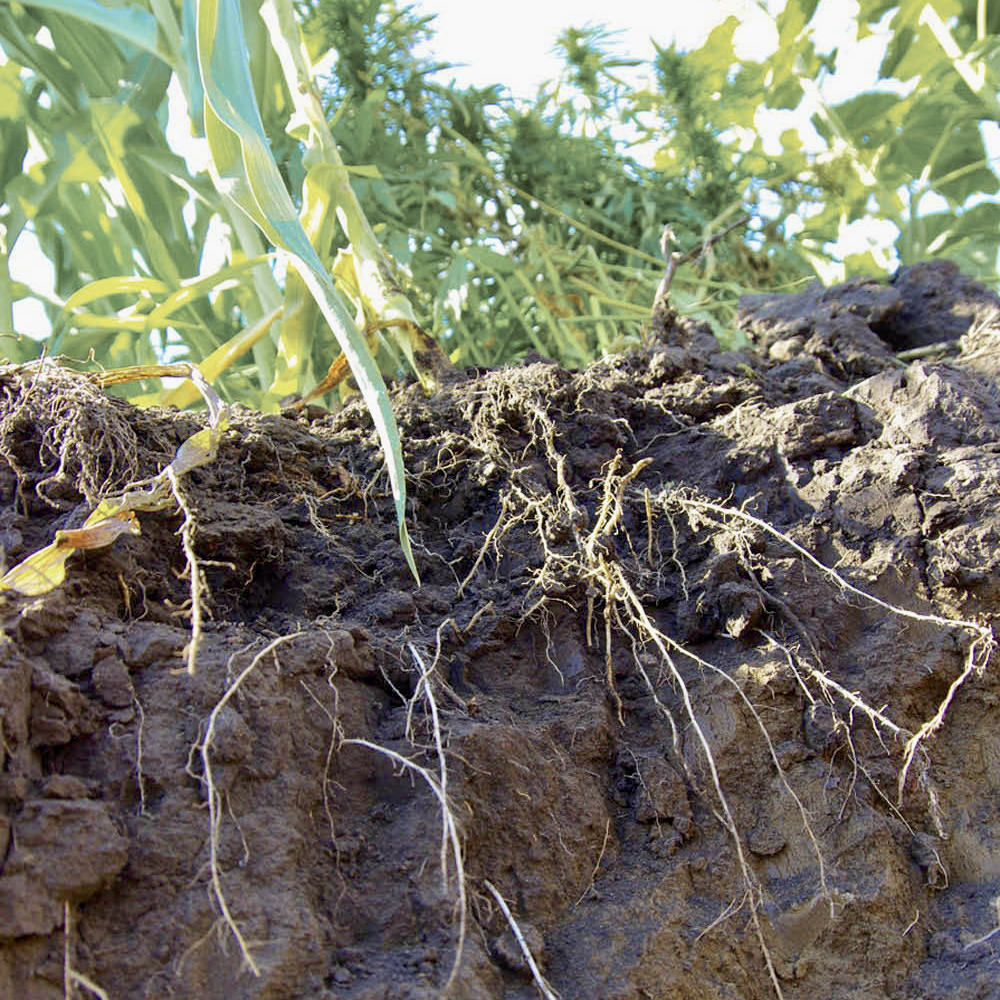
Glacier FarmMedia – Adam Kiel has some advice for farmers confronted by the dizzying array of regenerative agriculture programs on offer across North America.
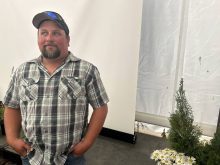
“There are many opportunities, and they are confusing, I’ll be the first to admit. But that doesn’t mean you shouldn’t try something,” said the managing director of the Soil and Water Outcomes Fund, a program run by the Iowa Soybean Association.
“Trying something doesn’t mean all of your acres. You can try it on one field and get a flavour for the program and see how it works.”
Read Also
Trade uncertainty, tariffs weigh on Canadian beef sector as market access shifts
Manitoba’s beef cattle producers heard more about the growing uncertainty they face as U.S. tariffs, and shifting trade opportunities, reshape their market.
Why it matters: Regenerative agriculture integrates concepts like soil armour and livestock integration in an effort to improve soil health and sequester carbon.
His organization has partnered with PepsiCo and Walmart in a seven-year, US$120-million program that encourages U.S. and Canadian farmers to improve their soil health and water quality. The goal is for farmers to adopt regenerative agriculture practices on more than two million acres of farmland, delivering four million tonnes of greenhouse gas emission reductions by 2030.
David Allen, vice-president of sustainability with PepsiCo Foods North America, said it is an opportune time for these types of programs.
“We’re at a once-in-a-generation moment with regard to policy and financing that is available to enable this type of accelerated transition,” he said during a panel discussion at the 2024 Commodity Classic conference.
PepsiCo’s global agricultural footprint is seven million acres, half of that in the U.S. The company has noted plans to shift much of that land into regenerative agricultural practices, because they say consumers and investors are demanding it.
Claire Brierley, senior manager of strategic initiatives with Walmart’s corporate affairs department, said the world’s largest retailer set a target to reduce or avoid one gigaton of greenhouse gasses across its supply chain by 2030.
It achieved that target six years earlier than anticipated by sourcing 46 per cent of its global energy needs through renewable fuel purchases, shifting packaging to recyclable and compostable products and diverting 78 per cent of its waste from landfills.
“It’s a whole company effort and a whole global supply chain effort,” she said.
Allen said it all starts with agriculture.
Carrot, not stick
PepsiCo has so far focused on voluntary participation from farmers.
“We want folks to opt in,” Allen said.
Some growers already use regenerative agriculture practices. For those, the company says it has programs to incentivize producers to continue or expand those practices. Other programs are oriented for those starting out.
“We don’t expect a full field conversion or a full farm conversion right out of the gate,” said Allen.
The decision to use the Iowa Soybean Association as a middleman was also influenced by farmers. It was a way to provide growers with the agronomic help and peer-to-peer support needed to make viable changes in farm practice.
“They want folks that they know and they can trust,” Allen said.
Kiel said farmers can propose a change in practice and, within 48 hours, they will get feedback on how much monetary value that change is worth. If they accept that offer, they will get 50 per cent of that year’s contract value deposited in their bank account within a week. Contracts are signed on a year-to-year basis.
“There’s a lot of unknowns with regenerative agriculture and locking yourself into a 10-year contract may not be a good thing,” said Kiel.
The U.S. Department of Agriculture is footing the program’s administrative bill for the first five years. During that time, farmers will receive 100 per cent of the program funds.
After five years, the expectation is that growers will get 75 per cent of the funds, with the remainder covering administrative costs.
– Sean Pratt is a reporter with the Western Producer.