“It’s significant, and this has potential for more growth.”
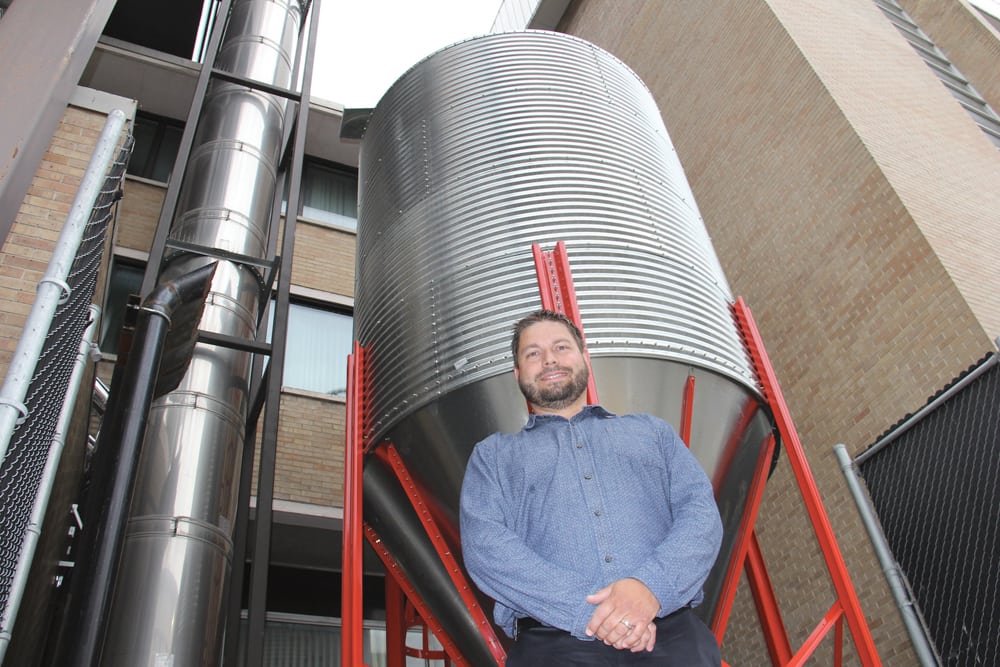
– Blair Hamilton With Dungannon Consulting Services, Author Of Farmers’ Markets Association Of Manitoba Economic I Mpact Study
Gross sales at farmers’ markets have quadrupled in five years in Manitoba, rising to over $2.28 million from $600,000 in 2003, according to findings of a new study on the overall economic impact of direct-to-consumer vending done at markets throughout the province.
The Farmers’ Market Association of Manitoba (FMAM) released findings of the study at the Direct Farm Marketing Conference here Feb. 28, showing an overall economic impact of $10.36 million of farmers’ market sales in Manitoba, including vendors’ sales and indirect spending resulting from market activity.
Read Also
From farm gate to Grade 4: CALM celebrates 15 years in Manitoba classrooms
Canadian Agriculture Literacy Month marks its 15th year with 159 volunteers visiting 436 Manitoba classrooms to connect students with agriculture.
The findings are based on surveys of 405 individual vendors at 15 markets in 2008, including those at rural markets and at the huge Winnipeg-based St. Norbert Farmers’ Market.
There are more markets in Manitoba, not included in this study, said Blair Hamilton of Dungannon Consulting Services, who conducted the study. The comparative sales figures are based on figures reported in another farmers’ market study, completed in 2003 by the Manitoba Research Alliance.
The $2.28 million is based on vendors’ average sales of $5,629 per market season plus “other sector purchases,” such as the gas and meals bought in town by both vendors and market visitors, which total $1.14 million.
A multiplier effect of 3.0 produces the estimated $10.26 million, Hamilton said.
“It’s significant, and this has potential for more growth,” he said, adding that there’s a lot of “untapped potential” yet among markets.
One of the study’s key findings is that markets would benefit from more promotion than they get currently. “Although well known to regular customers, there is room for a more systematic and co-ordinated marketing of the various markets,” the study noted.
But markets lack resources and time to do that, said several DFMC participants. The coordinators of most markets are volunteers, and most are also busy being vendors themselves, said FMAM board member and Pineridge Hollow market coordinator Pat Herman.
“We just don’t have the energy to do that,” she said. To have the means to pay a market co-ordinator who would not be a vendor would be ideal, she added.
Hamilton said he thinks FMAM can now build a strong case with funders, including government, to make more strategic investments in farmers’ markets.