When it comes to agriculture, things are getting a little better all the time.
At least so says a consortium of 17 scientists in five countries who found nearly a third of the world’s farms have adopted more environmentally friendly practices while remaining productive.
The global assessment analyzed farms that use some form of “sustainable uintensification,” a term for various practices that use land, water, biodiversity, labour, knowledge and technology to both grow crops and reduce environmental impacts.
Writing in the journal Nature Sustainability, the researchers estimate that nearly one-tenth of the world’s farmland is under some form of sustainable intensification, often with dramatic results. They have seen that the new practices can improve productivity and ecology while lowering farmer costs.
Read Also
Meat sector shrugs at raised cap for rural temporary foreign workers
Federal moves to relax restrictions is unlikely to change much for agriculture or meat processing, where the real ask is permanent residency pathways.
For example, they document how West African farmers have increased yields of maize and cassava and farmers in Cuba increased their productivity 150 per cent while cutting their pesticide use by 85 per cent.
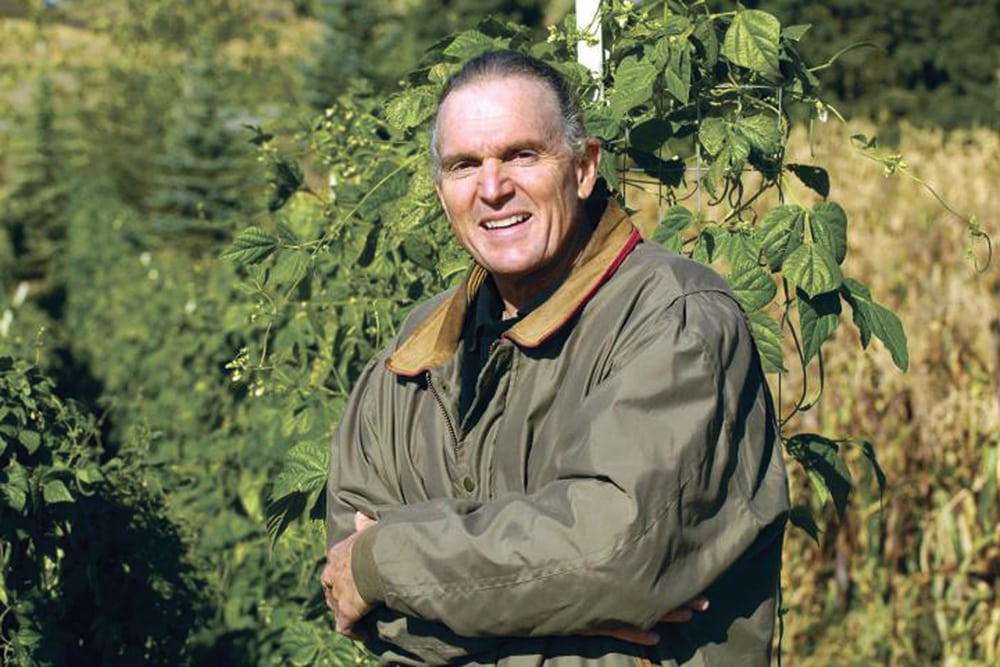
“Although we have a long way to go, I’m impressed by how far farmers across the world and especially in less developed countries have come in moving our food-production systems in a healthy direction,” said John Reganold, Washington State University soil science and agro-ecology professor and a co-author of the paper.
Less developed countries tend to see the largest improvements in productivity, while industrialized countries “have tended to see increases in efficiency (lower costs), minimizing harm to ecosystem services, and often some reductions in crop and livestock yields,” the authors write.