
Some might say there’s never been a harder time to be a young farmer—near-exorbitant land prices, unpredictable weather, international trade conflict, and now a pandemic.
Thea Green is program manager at Keystone Agriculture Producers and coordinates KAP’s young farmer wing. Here, she shares 20-plus financial, educational and developmental resources to make life easier for young and emerging farmers.
Financial Resources
MASC Young Farmers Rebate Program
This program is designed to assist young or beginning farmers under age 40 to develop or expand farming operations by offering rebates on the first $200,000 of total loan principle. This is available in each year of the loan’s first five years. Each person has a maximum rebate of $20,000 but any unused portion of this limit can be applied to subsequent loans.
Read Also
MBFI livestock research farm gets major expansion
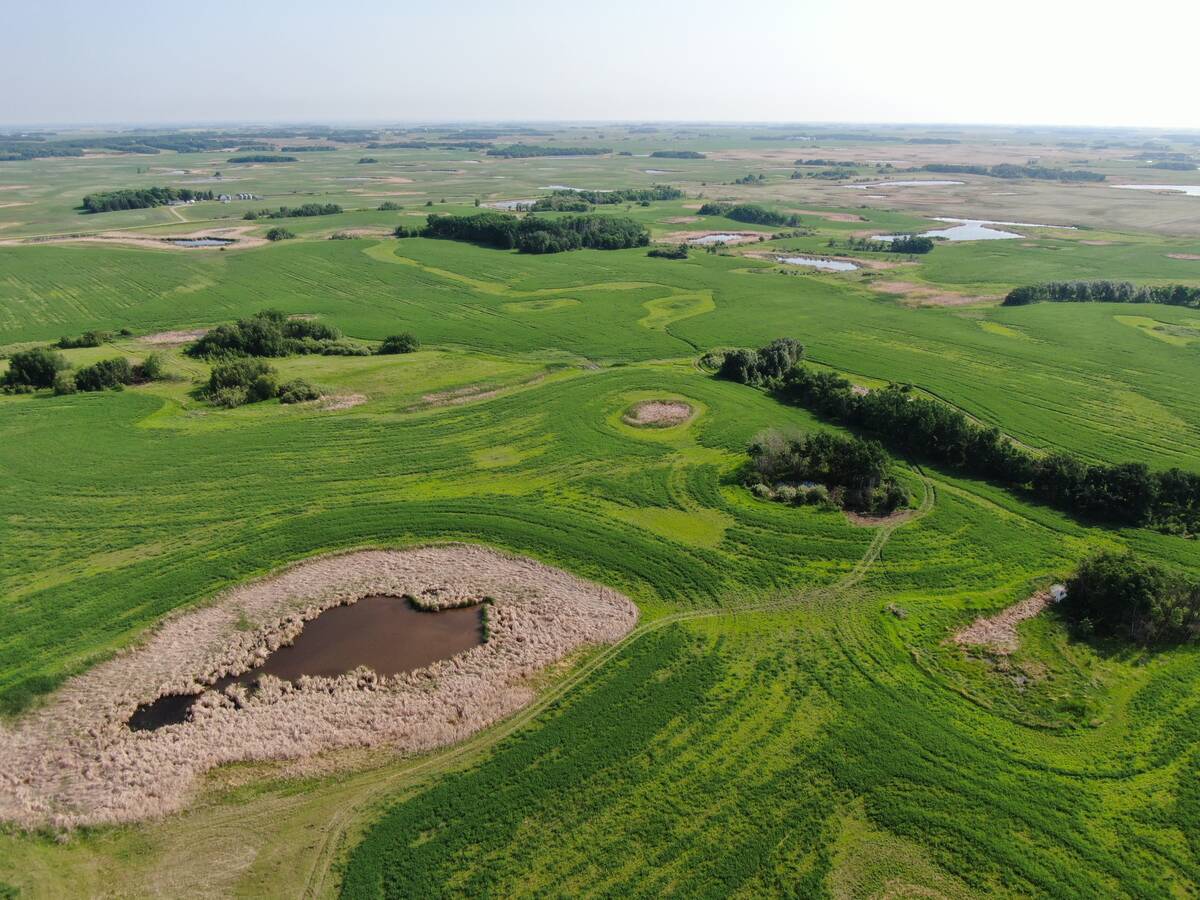
Manitoba Beef & Forage Initiatives expands Brookdale Research Farm by 467 acres to benchmark grazing profitability at commercial scale.
masc.mb.ca/masc.nsf/program_bridging_generations.html
Young Farmer Crop Plan Credit (MASC)
For farmers ages 18 to 39, this program “assists young and beginning farmers with AgriInsurance costs while ensuring their crop production decisions are based on sound agronomic practices and their own cost of production information” MASC’s website says. A one-time premium subsidy of up to $300 will be applied against AgriInsurance premiums.
The program requires applicants to complete and application and prepare and implement a cropping plan approved by a Manitoba Ag extension specialist. Deadline is March 31.
masc.mb.ca/masc.nsf/program_agriinsurance.html
FCC Supporting Young Farmers – Starter Loan
This program, designed for farmers aged 18 to 25, offers special rates (variable open at prime plus 1.2 per cent, variable closed at prime plus 1 per cent) and special one to five year fixed rates. There are no loan processing fees.
fcc-fac.ca/en/financing/agriculture/young-farmers.html
Red River Ex – Scholarships
For residents of Manitoba wishing to enter or continue post-secondary studied in agriculture or a related field at a Manitoban university or accredited college. Scholarships range from $1,000 to $1,500. Annual deadline to apply is the second Friday in May.
redriverex.com/scholarship-application
Bayer Crop Science Scholarship for Future Leaders
Six $5,000 scholarships are awarded annually at Canadian agriculture universities to students who “demonstrate their leadership, engagement and contribution to agriculture in Canada through their academic, volunteer/community involvement and/or extracurricular activities,” says Bayer’s website.
Students at the University of Manitoba may be eligible.
cropscience.bayer.ca/en/Our-Company/ScholarshipInformation/Future-Leaders
Other Scholarships
At the link, under the “Beginning & Young Farmers” tab, click “Awards and Scholarships.”
fmc-gac.com/what-are-you-looking-for
Post Secondary and other Further Education
For farmers just getting started, a post-secondary education in agriculture can be helpful.
“The personal relationships that develop within these educational programs provide an excellent support network and lifelong learning cohort,” said Green.
Programs include the University of Manitoba’s ag diploma and degree programs.
umanitoba.ca/agricultural-food-sciences
Assiniboine Community College’s diploma program and other ag training offered (18 programs in total).
The University of Guelph offers online ag courses for continuing education.
uoguelph.ca/oac/continuing-education
It also offers distance education options courses.
For very young, or teenage farmers, 4-H programs can build valuable skills.
The Canadian Foodgrains Bank offers agricultural Learning Tours for international travel opportunities related to farming.
foodgrainsbank.ca/get-involved/study-tours
Crop Diagnostic School
Hosted by the University of Manitoba and Manitoba Agriculture and Resource Development, this short program is designed to refine the diagnostic skills of agronomists or producers to use in field scouting and assessing crop health. This year, the program will be hosted online.
gov.mb.ca/agriculture/crops/crop-diagnostic-services/manitoba-crop-diagnostic-school.html
Industry Groups and Professional Development
Keystone Agricultural Producers (KAP)
Young farmers are invited to attend KAP meetings and district meetings to hear guest speakers provide industry insight, learn about the policy issues impacting agriculture, develop communication and leadership skills, and connect with other farmers on issues that impact ag. KAP’s Young Farmer policy committee- meets several times yearly to address policy issues that are specific to young farmers in Manitoba.
Manitoba Young Farmers
This program provides opportunities for learning, sharing, networking and refining farm management skills, including the annual Manitoba Young Farmers conference.
Canadian Young Farmers’ Forum
A national group that meets annually at a conference and AGM to bring together farmers from across Canada for leadership training, networking and to provide education.
Manitoba’s Outstanding Young Farmers Program
Part of Canada’s Outstanding Young Farmers Program, the program is designed to recognize young farmers, ages 18 to 39, that “exemplify excellence in their profession”, the organization’s site says. Each year one farming couple is selected from each of the program’s seven Regional Recognition Events to represent their respective region at the national event.
Manitoba Canola Growers Association Learn to Lead Training
This event “gives farmers the opportunity to expand the skills they need to lead and give back to their communities and the agriculture industry,” MCGA’s website says.
Green also suggests becoming involved in ag commodity groups by attending meetings, getting involved on boards, and seeking out leadership development and training programs some of these groups offer.
canolagrowers.com/your-farm-voice
Cattlemen’s Young Leaders
This mentorship program provides industry-specific training, and “interest-specific” mentorship for young producers, ages 18 to 35, the organization’s website says. Each year, candidates are selected to participate in the program and are matched with an expert in the mentee’s field of interest (risk management, sustainable ranching, policy development research and so on).
The candidates are also given a yearly budget of $2,000 for travel expenses to industry events and conventions. This program opens for applications in January and closes late March.
Canadian Total Excellence in Agricultural Management (CTEAM)
This course, provided through Agri-Food Management Excellence (AME), is delivered through a combination of face-to-face and online sessions. It assists producers to develop strategic and operations plans for their farms while learning from experts and peers.
agrifoodtraining.com/for-producers-cteam
Other leadership training opportunities include:
- The Executive Program for Agricultural Producers (TPAP) through Texas A&M
- Leadershift’s National Farm Leadership Program with FMC
- CYFF and RBC Farm Your Numbers course
Peer Groups
Joining a producer peer group can provide key relationships, insight into farming issues and professional development.
These can include facilitated peer groups from Backswath Management, including the new Emerging Young Farmers Peer Group.
backswath.com/services/peer-groups.html
Other facilitated peer groups, including Powerfarm facilitated by Rob Saik.