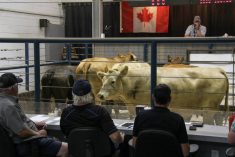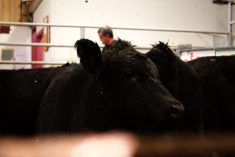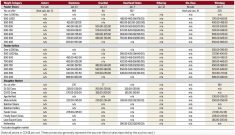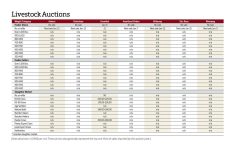

Slaughter and feeder cattle prices in Manitoba have recovered slightly from prior lows caused by processing plant shutdowns due to COVID-19.
“Between when they bottomed out two weeks ago and now, we’re probably seeing a spread of about 30 to 50 cents higher,” said Tyler Slawinski, an auctioneer for Ashern and Gladstone’s markets.
Slawinski credited the uptick in slaughter prices to some processing plants reopening.
“It’s nice to see some normalcy return to the slaughter market,” he said, noting burger season is on the horizon.
Read Also

Manitoba Beef Producers take aim at elk surge, feed losses from wildlife
Resolutions at last month’s Manitoba Beef Producers meeting seek help to rein in elk and deer populations, expand fencing supports and improve compensation for wildlife damage.
Processing plant closures also wreaked havoc on the cattle futures market, which also impacted prices at auction.
“When prices aren’t good for futures, it has a major effect in the ring,” Slawinski said.
Feeder cattle prices were supported by seasonal lows for cattle coming to auction.
“There’s not an abundance of cattle left to be marketed,” he said.
Earlier in the week, U.S. President Donald Trump said the U.S. may consider stopping imports of live cattle in order to support U.S. ranchers. The U.S. routinely imports cattle from Canada and Mexico in order to supplement their own cattle supply.
“They import quite a bit, so it would be interesting to see how that works for them,” Slawinski said.