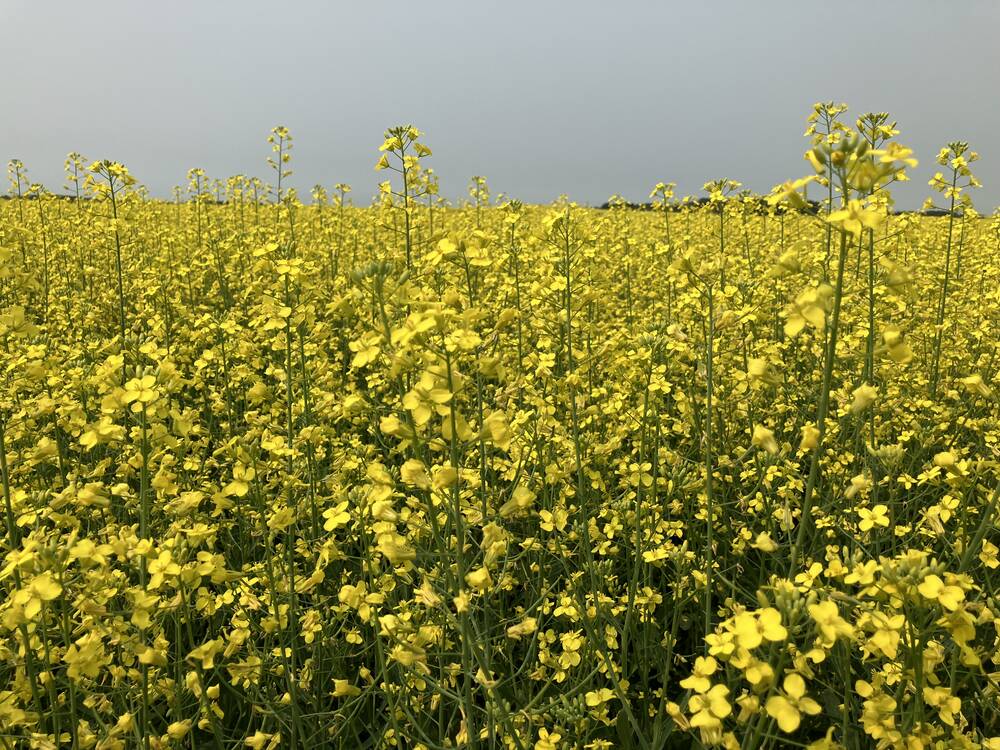
The ICE Futures canola market experienced wide price swings in mid-September.
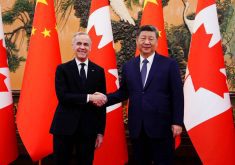
On Sept. 13, China announced the start of an anti-dumping investigation into Canadian canola imports. While many believed this was retaliation for Canada’s planned new tariffs on Chinese metals and electric vehicles, the November contract fell $19.70 per tonne to close at $541.80, its lowest level in four years.
Three days later, Statistics Canada released its satellite model-based principal field crop production estimates, and revised the 2024-25 canola crop downward by 520,000 tonnes at 18.98 million. November canola bounced higher on the news, trading as much as $40 above its lows in the following days.
Read Also
Expert’s Radar: Ups and downs in wheat futures
Recent strength in wheat futures is partly tied to ideas that the U.S. crop won’t be as big as officially projected, but world supplies remain burdensome and Southern Hemisphere harvests are coming to market.
The psychological level of $600/tonne will be the next obstacle for November canola to pass, but there is no consensus on when or even whether it will get there.
One analyst suggested the November contract could potentially reach $625/tonne. This is due to many growers’ dismissal of StatCan’s estimates, thinking the Canadian canola crop is smaller than the agency’s guess. Another supportive factor is speculation of increased buying from China ahead of any possible trade disruptions.
However, adequate supplies and variable crop conditions could lead to rangebound activity, and canola shows signs of stabilizing after its large price moves.
The 50-day moving average for November canola was $600 on Sept. 19. November soybeans and December soyoil were very close to theirs, ending Sept. 19 at US$10.1325 per bushel and 40.93 U.S. cents per pound, respectively. With the funds holding large net short positions in all three markets, there may be potential for continued gains if they ever start covering those bearish bets.
Large South American production prospects may temper any upside potential. Brazil’s Conab projected the country’s 2024-25 Brazilian soybean crop at a record 166 million tonnes. More soybeans and soyoil in the market at a lower price will be attractive to Chinese buyers looking to fill a void left by canola.
Until the Canadian canola harvest is finished, the trade may adopt a wait-and-see attitude before deciding how to act.