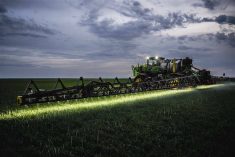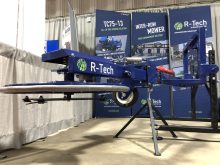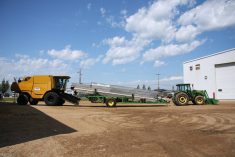
Manitoba farmers are used to adapting — to the weather, to the markets, to unexpected breakdowns or agronomic issues — but agriculture leaders say farm technology is changing so fast that the sector is struggling to find people with the right skills to keep up.
WHY IT MATTERS: Today’s farms generate more data, use more technology, incorporate more computers and connectivity and have more digital sophistication than at any point in history.
At Brandon’s Assiniboine College, Chris Budiwski, the interim dean of the Russ Edwards School of Agriculture and the Environment, has seen the shift firsthand.
Read Also
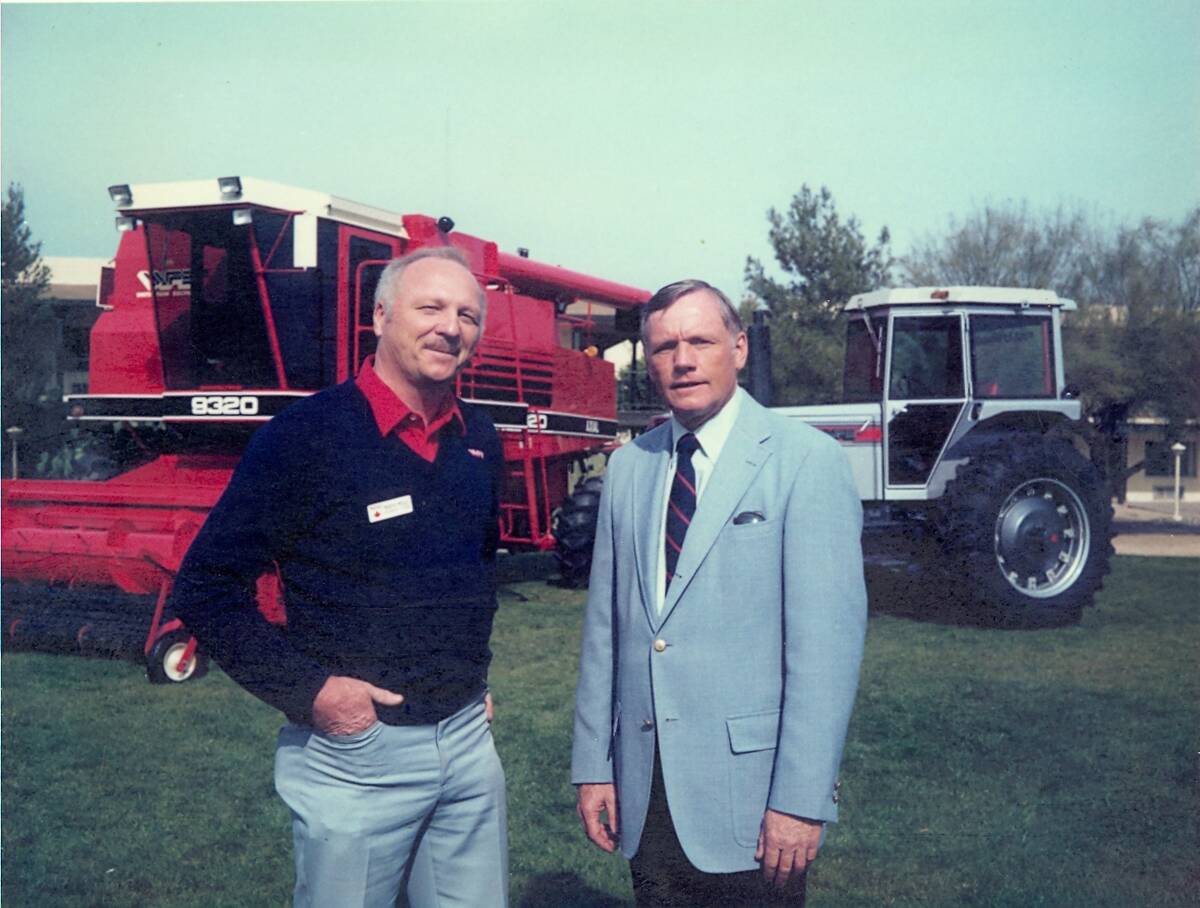
Right stuff, wrong time: How a team in Ontario developed the highest-capacity rotary combine of its day
Innovations by a team at Brantford, Ont. in the late ’60s would lead to the production of the biggest rotary combine of that time. Then the manufacturer went bankrupt.
“Agriculture is often an early adopter of innovation and technology, and the skill sets are changing,” Budiwski said during a Dec. 4 Manitoba Agriculture webinar.
The event tackled agriculture’s growing automation and technology skills gap.
That gap has underpinned the college’s agriculture-related expansion in the last few years. Assiniboine College is in the last push to a new home for its ag-related programs, the Prairie Innovation Centre for Sustainable Agriculture. Expanded syllabus and research plans (some of which have already launched) span digital agriculture training, mechatronics, greenhouse horticulture, and other tech-heavy areas. That’s on top of existing programs like GIS (geographic information systems) and communications engineering technology programs.

Local agribusinesses have also been brought on during program development to help tailor the material to increasingly sophisticated labour needs.
“We’ve always said we’re Manitoba’s ag college, and we’re really doubling down on that,” Budiwski said.
Falling behind on innovation
Lisa Ashton, director of agricultural policy at RBC Thought Leadership, said RBC’s research shows Canada isn’t keeping pace with global competitors when it comes to ag innovation and skilled workers.
It’s a problem for productivity, an area where Farm Credit Canada (FCC) worries Canadian agriculture has slackened pace considerably. After hitting two per cent growth rates two decades ago, the sector managed only 1.3 per cent growth in the 2010s and could dip below one per cent without intervention, said a Dec. 2 report.
The agency identifies two major obstacles to productivity: companies aren’t investing enough in agricultural research, and venture capital backing for ag-tech startups remains weak.
Bridging the knowledge gap
With fewer Canadians growing up on farms, Ashton said many young people simply don’t know what modern agriculture looks like.
“There’s fewer and fewer people that understand kind of the robotics and barns and the sensors that are being used,” Ashton said.
RBC recently invested $5 million in Manitoba agriculture, including funding for hackathons and micro-credentials to help attract students to the sector, whether or not they come from a farm.
“We’re hearing that there’s more and more demand for action on exposing more people to the agricultural career opportunities, but then also ensuring that we’re preparing the students that are entering the agricultural workforce have the right skills and are really actually job ready,” Ashton said.
The evolution of farm equipment
From the equipment side, Gary Bohn, branch manager of Enns Brothers in Portage la Prairie, said the changes are dramatic.
“Agriculture sector technology has advanced more rapidly than many sectors out there,” he said.
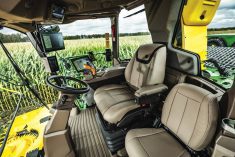
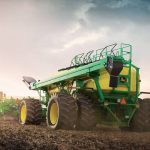
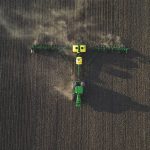
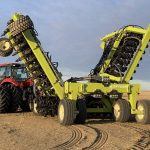
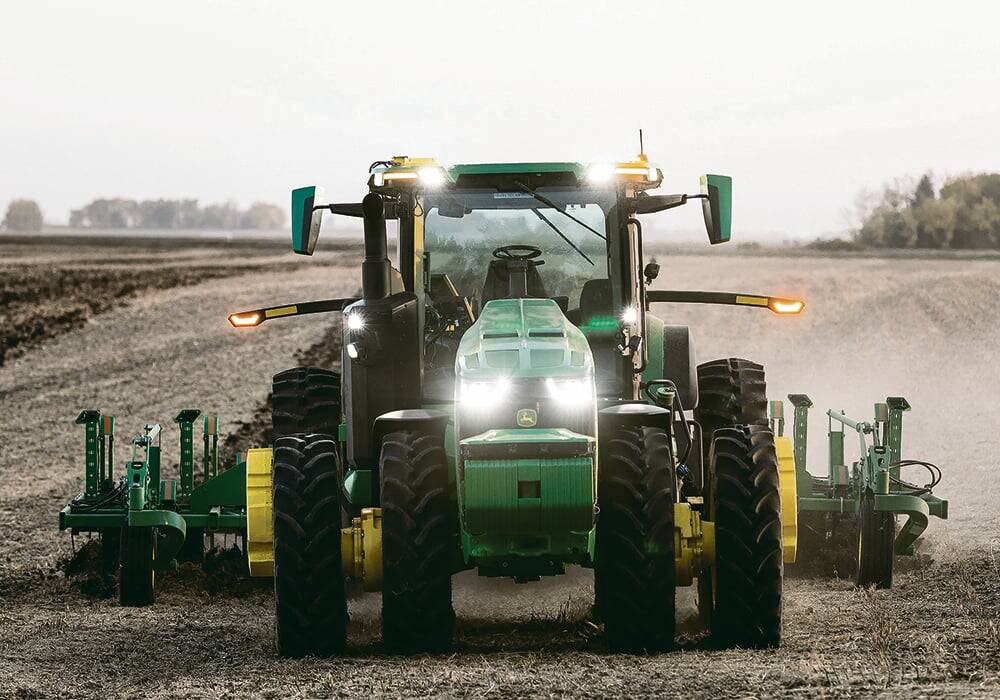
These include incoming technologies like AI-driven sprayers that can target individual weeds and a fully autonomous tractor that John Deere revealed at Consumer Electronics Show 2022. John Deere has said that by 2030, a complete fleet of autonomous equipment will be available for purchase, including self-driving machines.
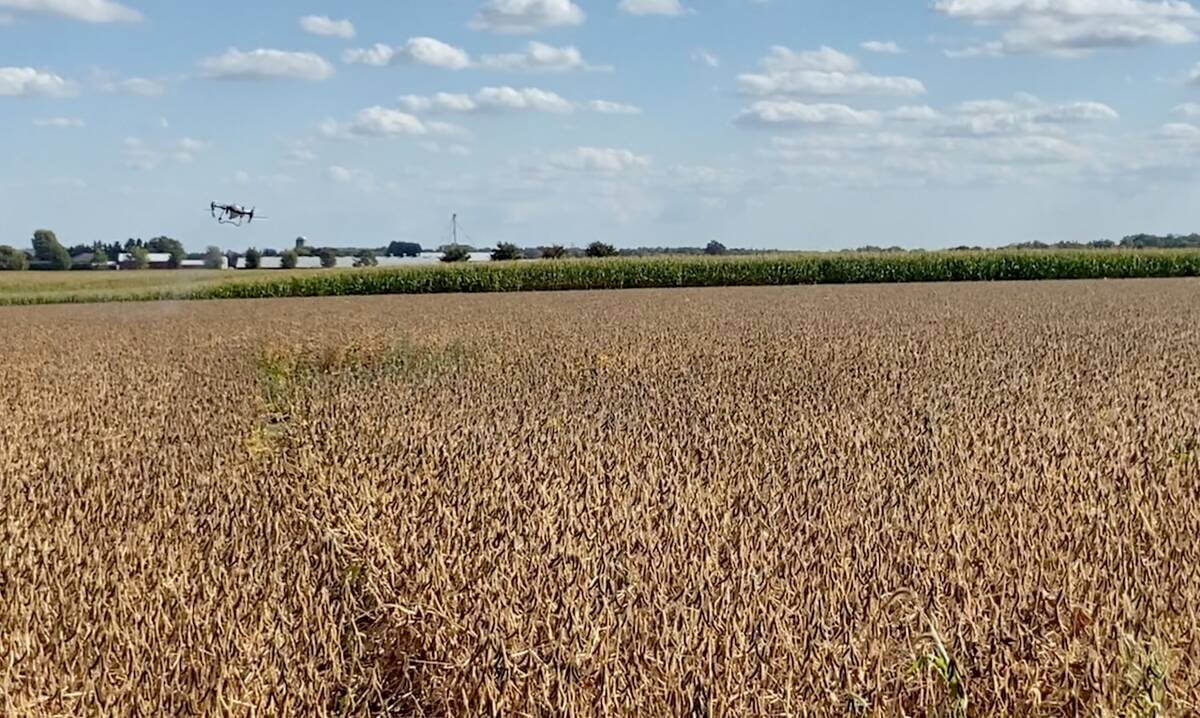
With machines evolving at that pace, dealerships need people who can diagnose electronics and software.
“There’s less wrench turning work and more diagnosing computers, electronics and controllers,” Bohn said. “We don’t even rebuild engines anymore. They all come as remanufactured engine(s) from the factory, and then they have them bolted and take it out and put the other one in.”
Continuous learning required
Dealership technicians spend countless hours on formal training, online courses and hands-on learning, Bohn added.
“Once they graduate and get their red seal, they’re just starting, because the equipment and the technology is advancing so much that you don’t stop learning until the day you retire.”
Budiwski agreed the shift is happening across agriculture. Dairy barns, hog barns, vertical farms and greenhouses now run on sensors and automation.
“They’re not your traditional romantic pitchfork and red barn imagery. It is computer science. It is programmable logic controllers and being able to diagnose these systems on different platforms,” he said.
Beyond traditional farming
With dairy herds growing and more tasks being automated, sensors have become essential tools for tracking cow welfare, production, and barn environment researchers noted in Computers and Electronics in Agriculture in January 2024.
Increasingly, agriculture is becoming just as much about prioritizing problem solving, communication, critical thinking and technical know-how as it is familiarity with farming.
“We need to take these people with zero background, or next to zero background, and give them a little bit of an introduction to agricultural fundamentals,” Budiwski said.
Showing students the future
Bohn believes industry outreach is helping. Enns Brothers regularly brings equipment into schools and hosts tours to show students the precision technology behind modern farming.
One teacher told him several students changed their university plans after seeing the equipment in action.
“Seeing has such a greater impact than just talking,” he said.
There’s a big opportunity to invite people into agriculture who may not think of themselves as “ag” but are passionate about the food system, Ashton said.