The Manitoba government’s recent investment in agricultural equipment interoperability is a step in the right direction, local industry says, but there’s still a massive undertaking needed to make different manufacturers’ systems play nice with each other.
On Jan. 22, the province pledged $25,000 to the Prairie Agricultural Machinery Institute (PAMI) to support work aimed at making farm machinery and digital systems work together, despite coming from different manufacturers.
The investment is good to see, noted Karen Fatteicher, co-owner of 360 Ag Consulting in Roblin, but the reality is complex.
Read Also
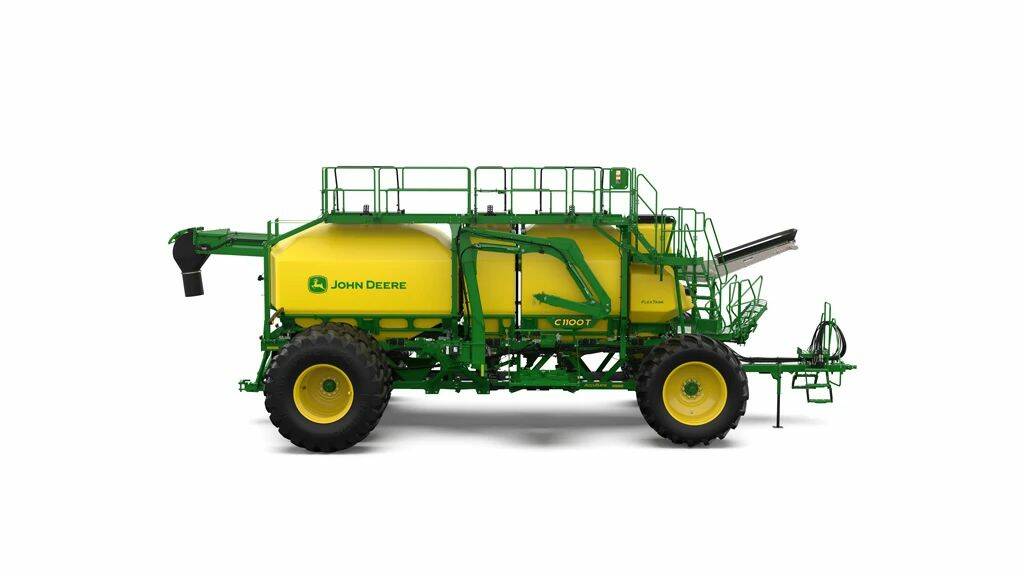
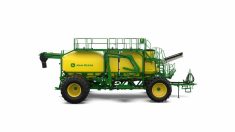
New high-capacity air carts from John Deere
John Deere’s C1100T air cart has four tanks capable of toting around 1,100 bushels of product; it brings the farm equipment manufacturer’s air cart lineup to 12 models
“It will be helpful, but I feel that it is a very, very large undertaking,” she said.
WHY IT MATTERS: Farmers are being told more and more to use data and technology, but each colour of farm equipment tends to have its own digital system, and that’s a potential problem for the adoption of digital agriculture.
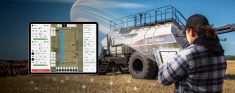
Right now, agriculture companies often create closed systems. That means producers have to transfer data by hand or stick with just one brand of equipment. That creates real challenges for farmers trying to use their farm-generated data effectively.
“For example, if a producer has a different seeding system than a harvest system, there’s two different sources of data that they would have to pull from to get a good, applied data versus yield data,” Fatteicher said. “It is a little difficult for producers to properly use that data because there is no constant or same platform to work off of.”
Province’s commitment
Producers deserve technology that is user-friendly, Manitoba Agriculture Minister Ron Kostyshyn said Jan. 22., adding the investment will help them reduce costs and downtime and find new ways to work with tools they already have.
“This investment strengthens our homegrown manufacturers, opens doors to new global markets, and ensures producers can choose the equipment that fits their operation, not just the equipment that fits a single platform,” Kostyshyn said.
The investment brings the Manitoba government’s support to PAMI for digital agriculture and engineering projects across the province up to $990,000. The money allows PAMI, working together with Agricultural Manufacturers of Canada (AMC), to keep finding practical solutions for improving how different systems and equipment work together, the province said.
The support will help Canadian manufacturers stay innovative, said AMC president Donna Boyd.
“We are proud to continue this work with our partners and thank the Manitoba government for its ongoing commitment,” she said.
Signs of progress
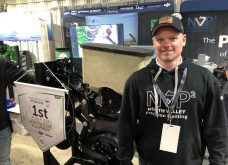
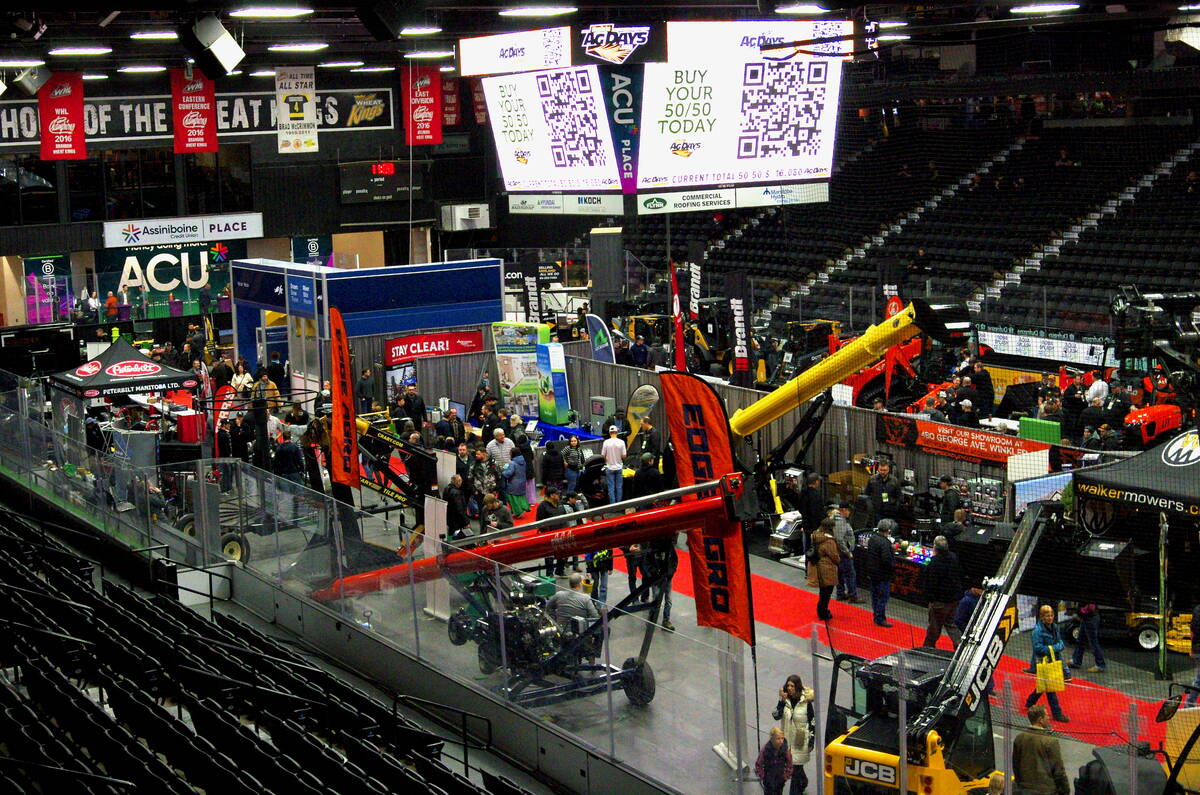
There have been some encouraging signs that manufacturers recognize the need for co-operation, Fatteicher said, including manufacturers at Manitoba Ag Days working together on their digital platforms.
“It’s going to take a lot of time and money, and most important, co-operation to make that happen,” she said.
Starting in 2024, Manitoba set aside $330,000 each year for three years to support the engineering section at Manitoba Agriculture. This funding helps develop and promote technology that aims to cut costs, reduce equipment downtime, and improve sustainability for local producers. The 2026 fiscal year marks the final year of this funding.
Manitoba Agriculture’s engineering services team is working to identify the technical requirements for interoperability technologies, the province said, to help Canadian manufacturers meet standards used in the European Union and other growing markets.