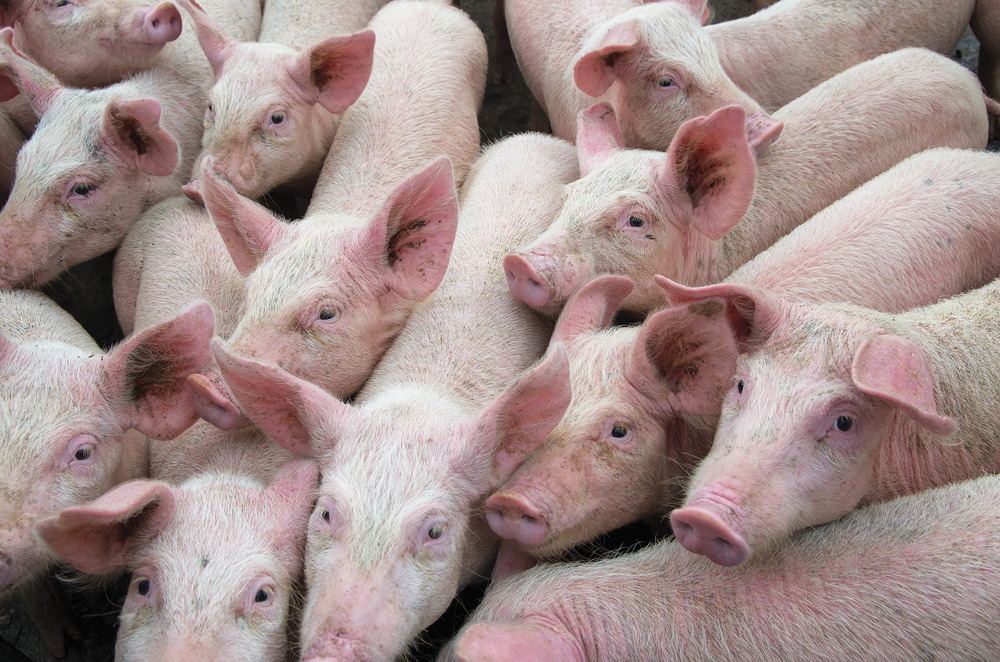
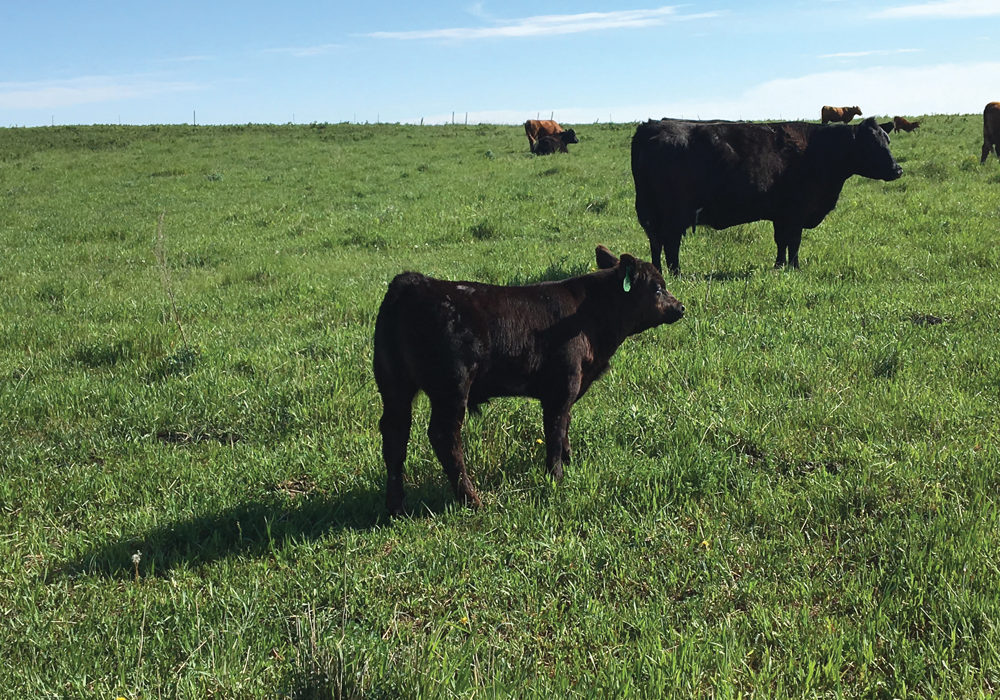
Agrowing number of livestock, such as cows and pigs, are fuelling new animal epidemics worldwide and posing more severe problems in developing countries as it threatens their food security, according to a report released Feb. 11.
Epidemics in recent years, such as SARS and the H1N1 swine flu, are estimated to have caused billions of dollars in economic costs.
Some 700 million people keep farm animals in developing countries and these animals generate up to 40 per cent of household income, the report by the International Livestock Research Institute said.
Read Also
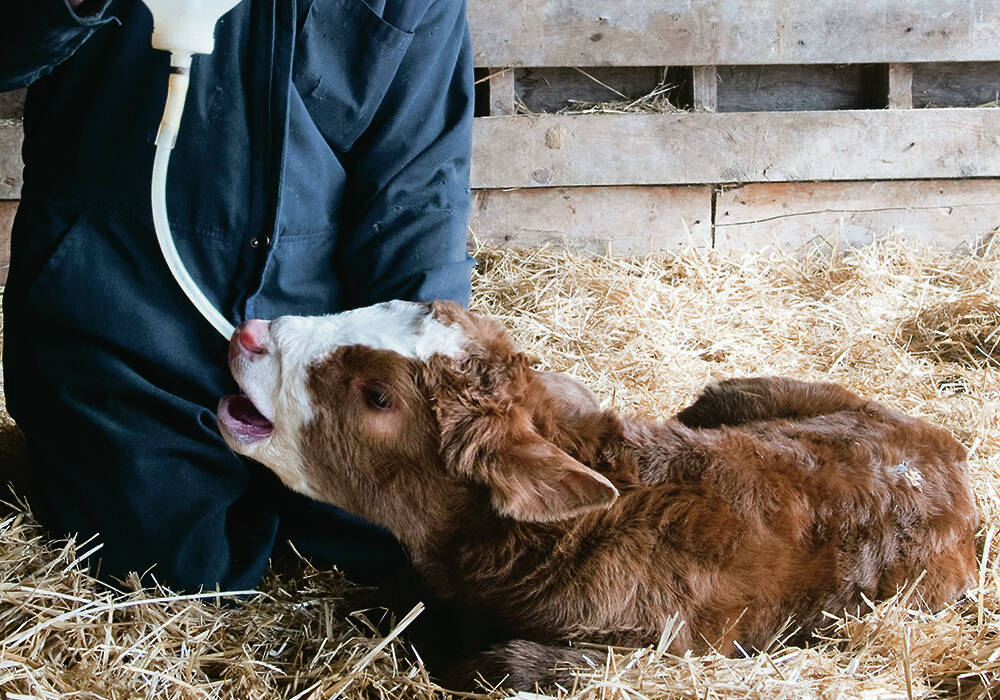
CALVING 2026: Keep those newborn beef calves healthy
Healthy beef calves don’t happen by accident: Biosecurity, vaccines, vitamin injections and colostrum play a part in newborn calf care.
“Wealthy countries are effectively dealing with livestock diseases, but in Africa and Asia, the capacity of veterinary services to track and control outbreaks is lagging dangerously behind livestock intensification,” John McDermott and Delia Grace at the Nairobi-based institute said in a statement on the report.
“This lack of capacity is particularly dangerous because many poor people in the world still rely on farm animals to feed their families, while rising demand for meat, milk and eggs among urban consumers in the developing world is fuelling a rapid intensification of livestock production.”
Seventy-five per cent of emerging infectious diseases originate in animals, they added. Of these 61 per cent are transmissible between animals and humans.
“A new disease emerges every four months; many are trivial but HIV, SARS and avian influenza (e. g. H5N1) illustrate the huge potential impacts,” McDermott and Grace wrote in the report.
HUGE ECONOMIC COSTS
Epidemics like SARS in 2003, sporadic outbreaks of the H5N1 avian flu since 1997 and the H1N1 swine flu pandemic of 2009 racked up enormous economic costs around the world.
While SARS cost between $50 billion to $100 billion, the report cited a World Bank estimate in 2010 which pinned the potential costs of an avian flu pandemic at $3 trillion.
The report warned that rapid urbanization and climate change could act as “wild cards,” altering the present distribution of diseases, sometimes “dramatically for the worse.”
The two researchers urged developing countries to improve animal disease surveillance and speed up testing procedures to help contain livestock epidemics before they become widespread.