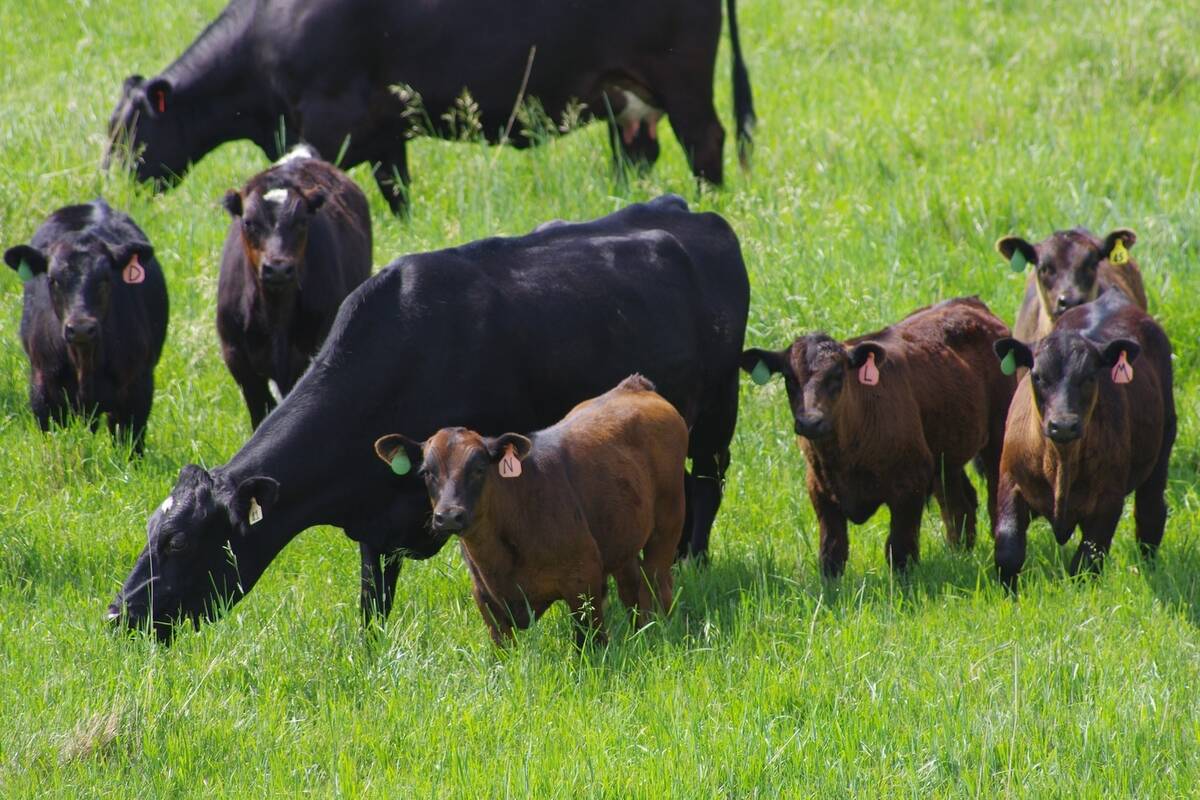
Keeping grass in a specific growth stage can dramatically increase forage production for grazing, while reducing labour, said Alberta rancher and author Tom Krawiec.
Krawiec’s “grazing in the sweet spot” philosophy is a method that allowed him to scale from 40 cow-calf pairs on 373 acres in 2000 to grazing 5,000 yearlings on 5,500 acres by 2007 with minimal hired help.
“It was just myself and the summer students,” Krawiec said at the Manitoba Forage and Grassland Association’s (MFGA) 2025 Regenerative Agriculture Conference in Brandon on Nov. 12-13.
Read Also
Video veterinary telemedicine valuable — within limits
Telemedicine makes veterinarians more acessable to farmers, but not every horse health issue can be diagnosed or treated through a screen.
WHY IT MATTERS: Grazing at the right moment in the plant’s growth cycle can dramatically increase forage production, animal performance, and profitability, an Alberta rancher says.
Krawiec’s “sweet spot” is a specific point in grass growth, just before plants enter the reproductive phase, when around 15 to 20 per cent of plants are in reproductive phase and the rest remain in late vegetative state.
“The other thing about grazing in the sweet spot that is really critical is that I only take 20 to 40 per cent (of forages) during the growing season,” he said.
Success with the system requires training livestock to move as a co-ordinated group, Krawiec stressed.

Feeding soil biology year-round
Krawiec’s approach feeds soil biology multiple times per year, rather than just once.
When plants enter reproductive phase, they redirect energy from root exudates, which feed soil microbes, into seed production, he told conference attendees. Root exudates are fluids emitted through the roots of the plant. They contain a complex cocktail of sugars, amino acids, organic acids and metabolites. They promote microbial activity, facilitate nutrient cyling in the soil, and foster overall soil health.
“The thing about letting plants go into reproductive phase is that that’s where they release the least amount of exudates,” Krawiec said. “Instead of releasing exudates into the soil, those exudates go into producing seed.”
Gaining livestock performance
The impact on his farm has been substantial.
Krawiec reported increasing daily gains on heifers from 1.5 pounds per day to 2.5 pounds per day after implementing his system. Cow-calf producers using his methods commonly see 60-80 pounds higher weaning weights, while sheep producers can achieve lambs weighing 100-15 pounds in four and a half months, Krawiec said. Conception rates in the first breeding cycle consistently exceed 80 per cent, and have gone as high as 83 per cent.
Last November, Krawiec backgrounded calves on stockpiled pasture at a cost of 12 cents per day. A forage test from that period showed 24 per cent protein and 65 per cent total digestible nutrients (TDN). That paddock yielded 317 stock days per acre.
Krawiec described a “tipping point” at approximately 175 stock days per acre where the system becomes self-sustaining, requiring no inputs except management. This typically takes two to three years, he said.
Grazing system math
Krawiec’s approach centres on respecting both graze period and resting periods. He found livestock behaviour helped indicate when a paddock has been grazed too long.
“The first day they walked back to water, I gave them a strip (of forage). Second day, they had to walk back to water. Day three, same thing, they had to walk back a lot of the water. Day four, same thing…but as we’re coming back to graze, they stopped in the first strip, and that’s when I realized that was my grace period,” he said.
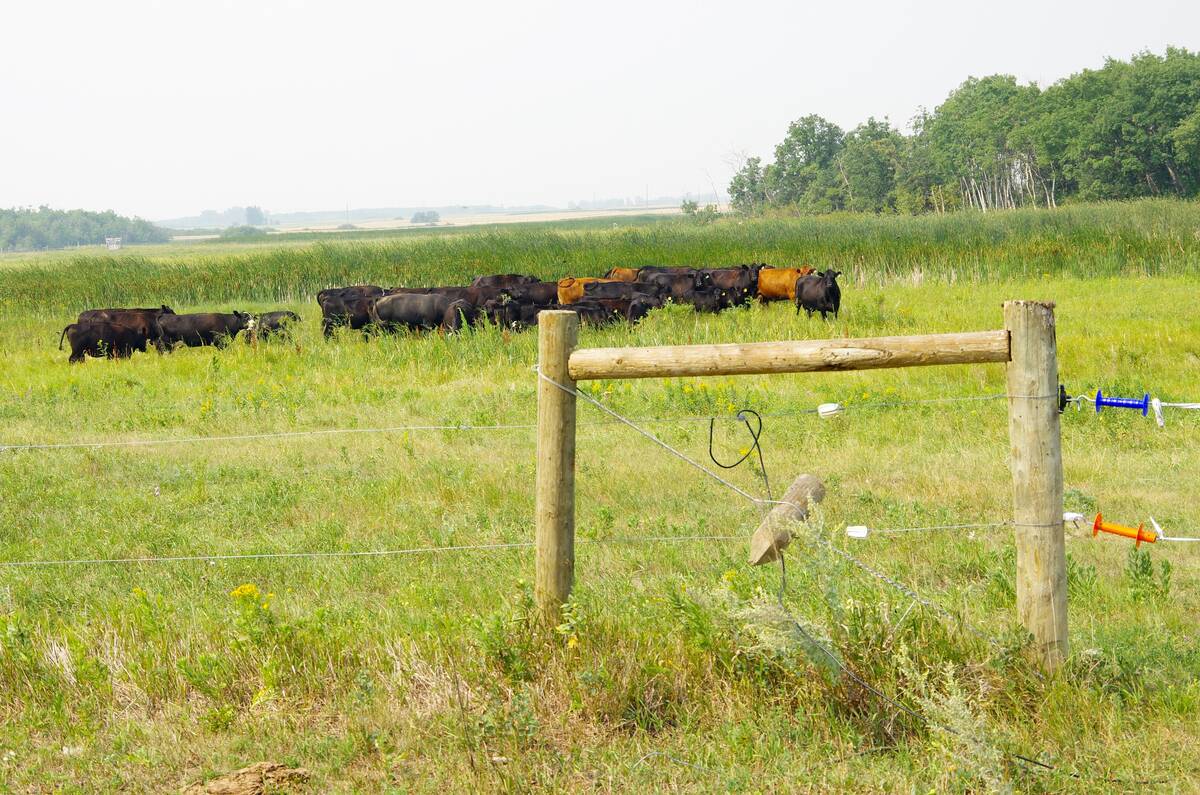
Krawiec thus put ideal graze period at his latitude (similar to Athabasca, Alta.) at three days. With that three-day graze period and a minimum of 13 paddocks, the math works out to 36 days of rest. Rest periods increase at more northern latitudes due to fewer daylight hours, Krawiec added.
He pointed to his grazing chart as an essential planning tool.
The chart allows Krawiec to adjust rotation based on growing conditions. In June 2021, when temperatures hit 38.5 C for weeks, he extended his second rotation to 55 rest days after his strip system suggested that grass growth had slowed. He later sped up his third rotation to 42 days, and was able to keep high-quality forage through November, plus stockpiling enough grass to calve 1,000 cows the following spring.
“The results were amazing, but what I did was not amazing. I just used my grazing (method), and I just adjusted to conditions,” he said.