Researchers compared lameness rates and replacement rates between pasture-based and confinement operations in the United States and found that grass won on both counts.
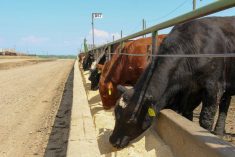
The confinement operations had health-related replacement rates of 40 per cent per year, according to Dan Undersander, a forage agronomist from the University of Wisconsin.
That “incredibly high” rate costs money. If heifers cost $1,500 or more to buy, the farmer must depreciate that cost within the short working lifespan of the average U. S. dairy cow’s 2.5 lactations.
“If you can stretch that a year or two, your depreciation on that animal goes down significantly,” he said.
Read Also
Manitoba lamb price high on tight supply
Manitoba lamb prices in 2026 rise sharply from last summer’s dip, not only from the Easter upswing, but decent demand and tight supply.
High turnover rates and the fact that half of all calves are males, reduce a dairyman’s ability to select from within his own herd because it leaves a pool of only 10 per cent for herd improvements.
So what’s the difference? It’s the fibre.
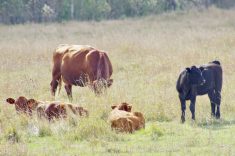
“If you go to the grazing dairies, it’s only 15 per cent of the herd replacement that’s due to animal health,” he said. “They are able to select to improve their herds, increase their herd size if they choose, and/or have heifers for sale.”