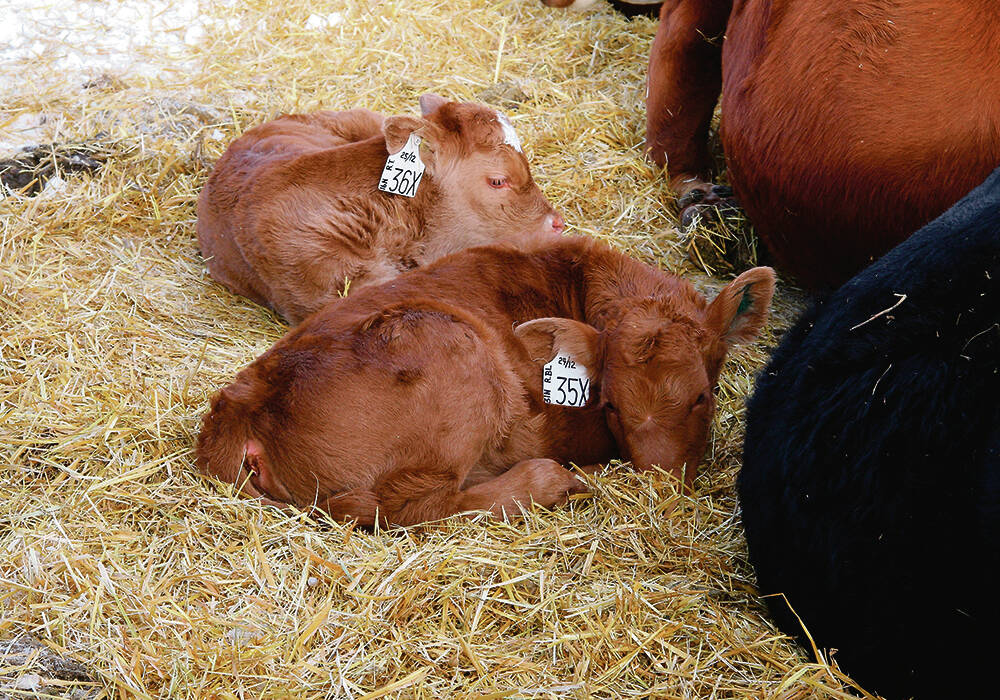
Calving season is a busy time of year, and adding a biosecurity plan to your list of priorities can seem overwhelming. However, simple strategies can protect you and your herd from pathogens and disease.
A well-designed biosecurity plan is essential for managing and reducing risks to your livestock. Start by breaking the plan into clear categories with specific on-farm actions. For example, establish protocols for outside visitors to minimize potential disease introduction.
Next, determine the level of risk you are comfortable accepting and managing. This will vary depending on your operation type and can be categorized as high, medium or low.
Read Also
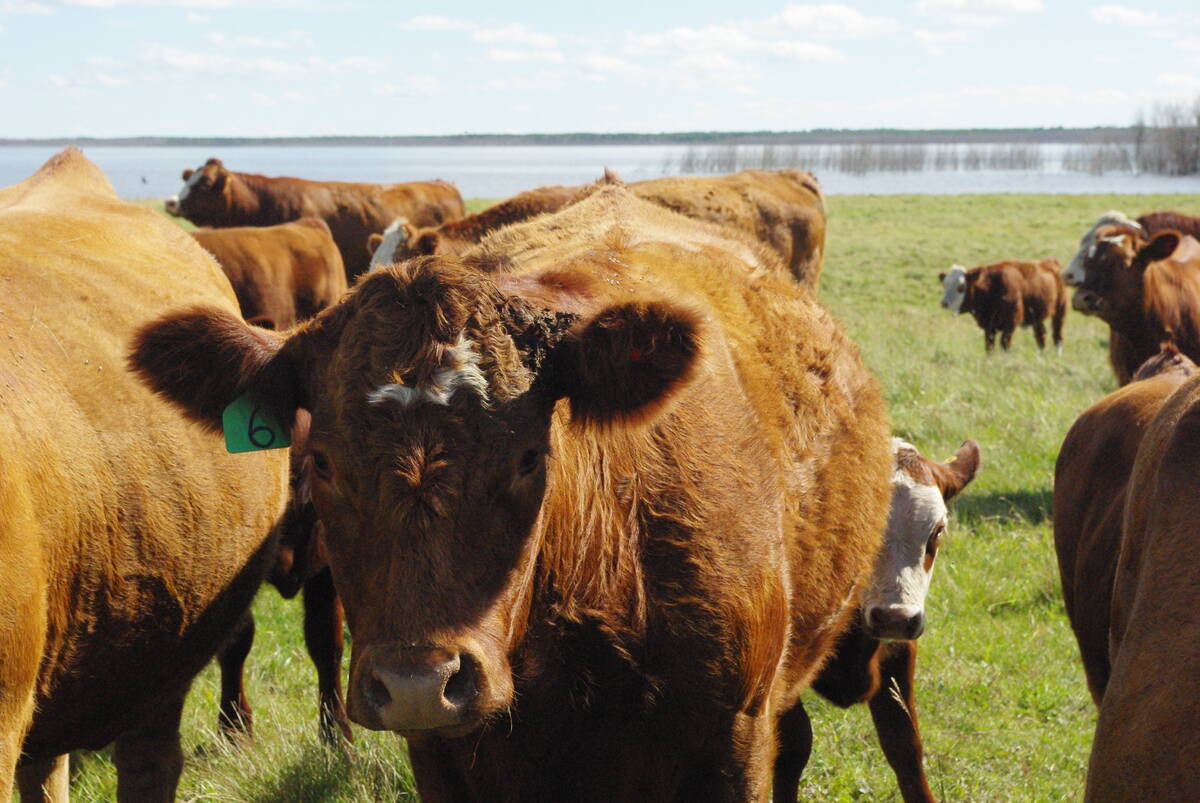
Ori Cattle’s smart ear tag brings AI health monitoring to the herd
Ori Cattle’s AI-powered smart ear tag learns each animal’s baseline behaviour and alerts producers to health changes, calving and lameness.
Accurate, up-to-date records of animal health, data and transportation movements are critical. These records give you the information needed to make informed decisions quickly and effectively.
Finally, make sure your plan is practical and cost-effective. A plan that looks good on paper but cannot be implemented will not provide real benefits. For more information, refer to the biosecurity resources available on the Beef Cattle Research Council, Government of Canada and Verified Beef Production Plus websites.
Animal movement
Controlling animal movement is one of the most effective ways to prevent the introduction and spread of disease. Proper management reduces pathogen exposure, protects vulnerable animals and helps maintain overall herd health. Implementing the following strategies during calving season can significantly lower biosecurity risks:
- When doing chores, consider starting in the low-risk areas first and working your way up to the higher-risk areas to prevent any pathogens from spreading.
- Segregate high-risk or sick animals from the main herd to prevent disease transmission. Sick animals should have their own segregated area where commingling is reduced.
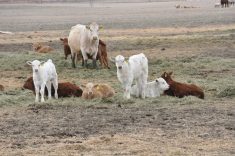
- Group cattle according to risk level. For example, the Sandhills calving system can reduce pathogen exposure in calving areas by separating freshly calved pairs and pregnant cows.
- Quarantine new animals for 21-30 days before introducing them to the herd to protect both the new animals and the existing herd. This reduces the risk of disease exposure and spread.
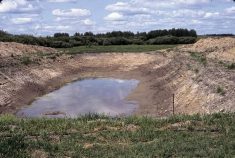
- Manage contaminants such as manure, soil piles and deadstock carefully. These areas should be positioned to avoid draining into water sources.
Cleaning, disinfecting and PPE
Maintaining a clean environment using the right tools and proper personal protective equipment (PPE) are essential to any biosecurity plan. Effective cleaning and disinfecting helps eliminate pathogens before they spread, while PPE protects both you and your livestock from disease risks. These practices should be consistent and thorough to ensure maximum protection:
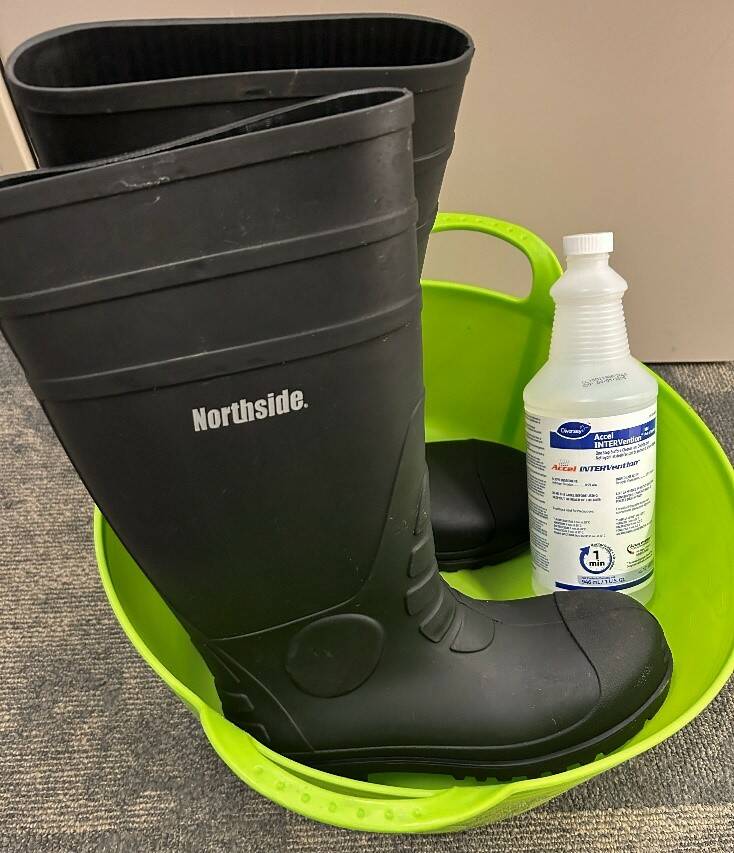
- Cleaning and drying of a surface is required prior to disinfecting. Disinfecting uses chemicals to break down pathogens. When using disinfecting products, it is important to know which pathogens you are trying to eliminate, the mixing instructions and the recommended contact time for the pathogen to be destroyed. More information on this can be found on the Beef Cattle Research Council website.
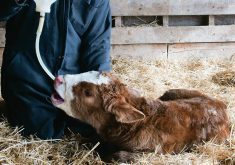
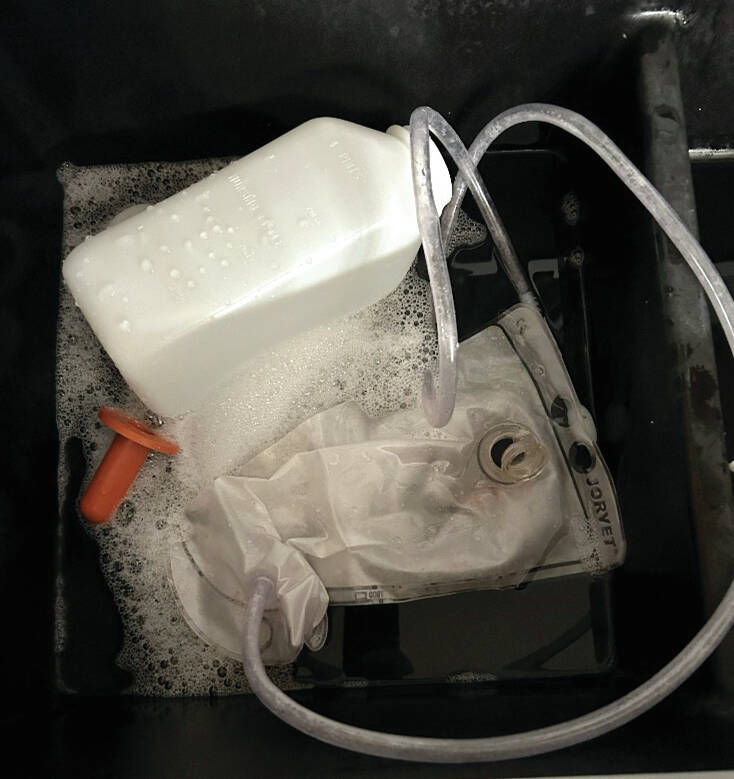
- Clean and disinfect equipment, tools, trailers and transport vehicles regularly, especially after handling sick animals. Don’t forget items like bottles or stomach tubes, as cross-contamination can be a serious threat to newborn calves.
- Wearing proper PPE is imperative for protecting yourself from zoonotic pathogens and disease. Zoonotic diseases are infectious pathogens that are naturally spread from animals to humans. Salmonella is a common zoonotic disease that may be transmitted from sick calves during calving season. Some items to wear when appropriate for specific tasks include coveralls, boots and gloves.
- Practice proper hygiene by washing your hands. Hand washing is a critical step to prevent the spread of pathogens between animals and people.
Work with your veterinarian
Calving season is busy for veterinarians, too. Establishing a vet-client relationship ahead of time ensures the veterinarian knows your operation and can assist with animal health, medications and vaccinations when needed.
Calving season brings unique challenges, but implementing a practical biosecurity plan helps protect both your herd and your operation. By focusing on creating a biosecurity plan involving animal movement, sanitation and veterinary support strategies, you can reduce disease risks and set your operation up for a successful calving season.