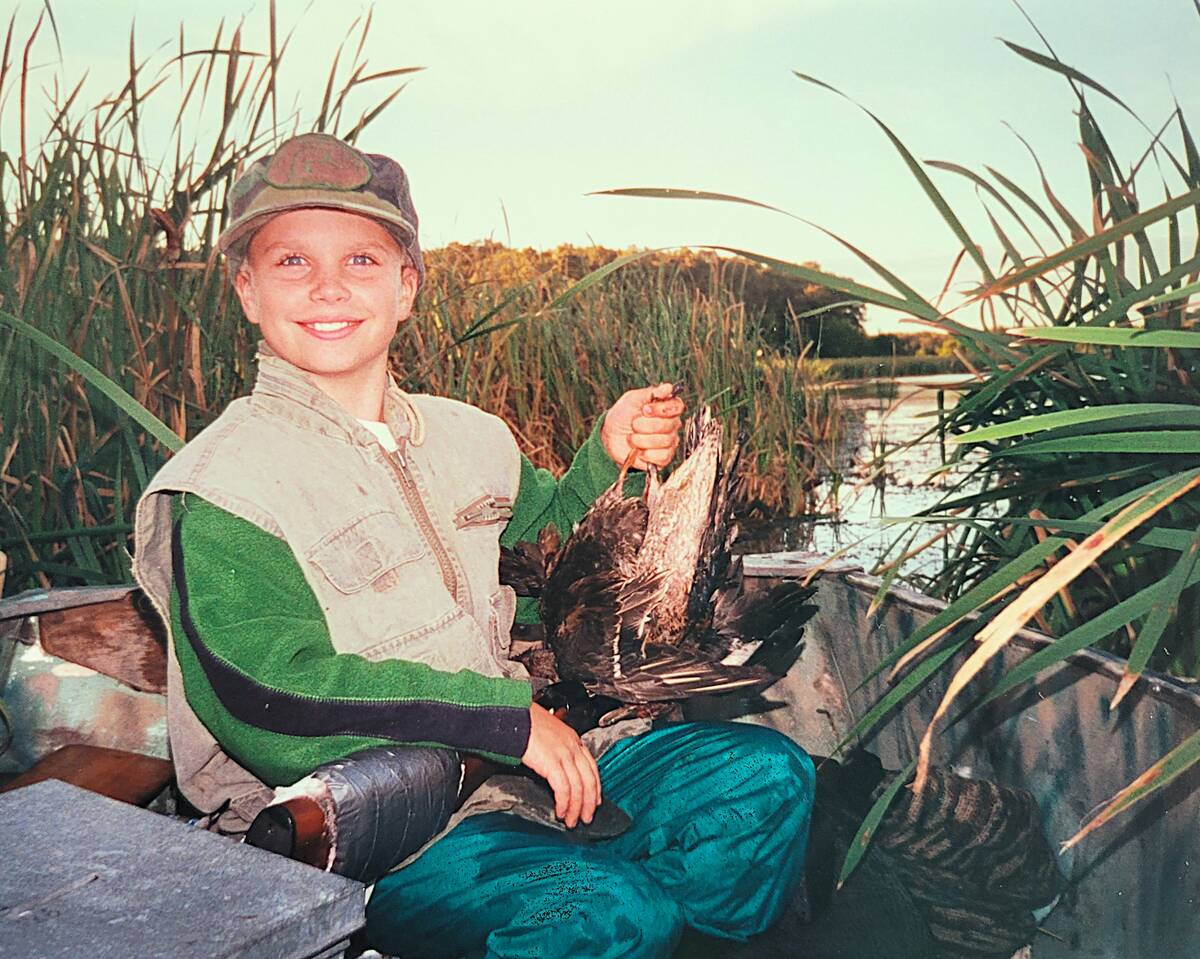
My son Mark’s first hunt, at age seven, was basically him and me taking a long walk while I hunted grouse. It was a challenge for his short legs to keep up. The reward for all that effort: a lone sighting of one bird. His lasting memory of the day instead came from an abandoned tractor, which he sat on and pretended to be a farmer.
At the time, I worried that hunting might be a one-and-done event for him. When I asked him afterwards how it went though, he said, “Great!”
Mark grew up hunting with me and other mentors, especially his uncle and his grandfather. He honed outdoors skills, built a special bond with important people in his life and deepened his respect for nature.
Read Also
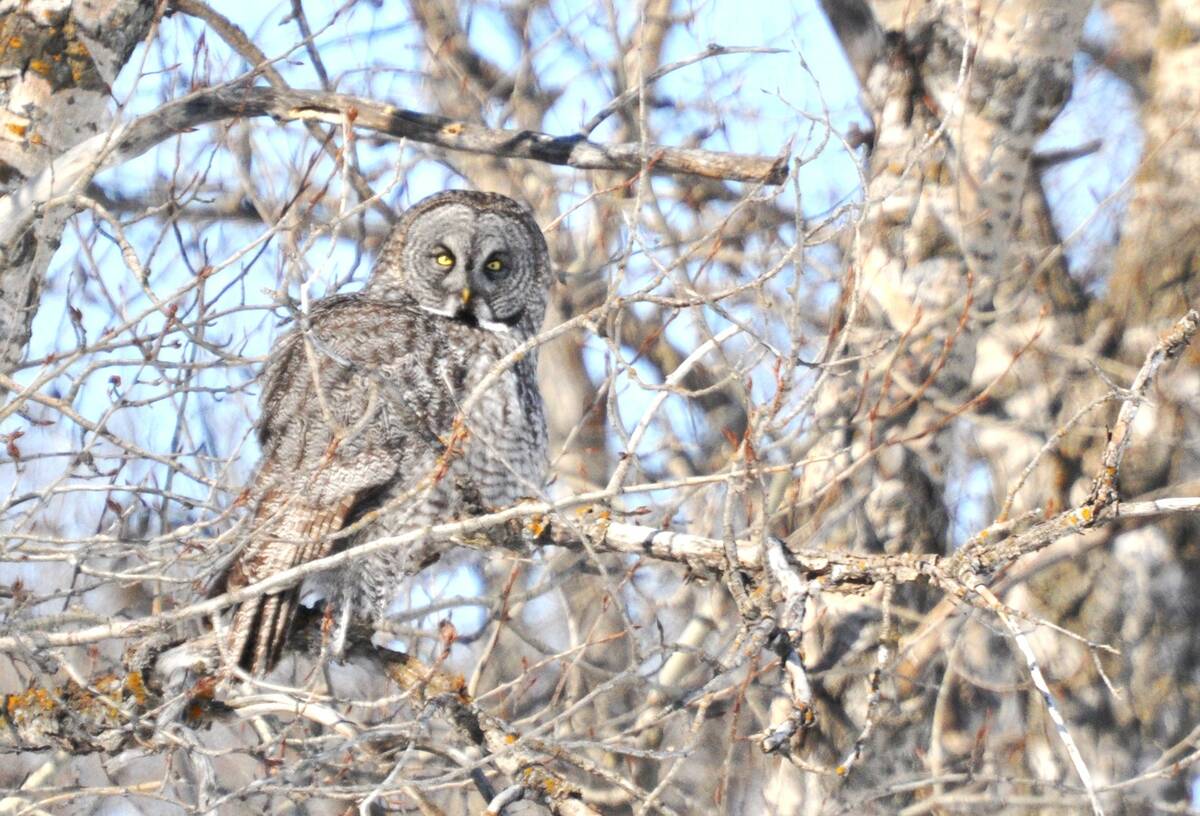
Winter is the best time to see owls in Manitoba
The snowy owl is the iconic species, but there are plenty of other superb owls to be seen in winter throughout Manitoba, Donna Gamache writes.
The benefits of hunting
Hunting traditions run deep and can span generations in rural communities.
That said, participation in recent decades has dropped significantly. I encounter folks my age and younger who cherish memories of hunting with siblings, parents, uncles and friends, but who share that the generational tradition stopped with them. I see that as a loss. Hunting and rural life are a natural fit.
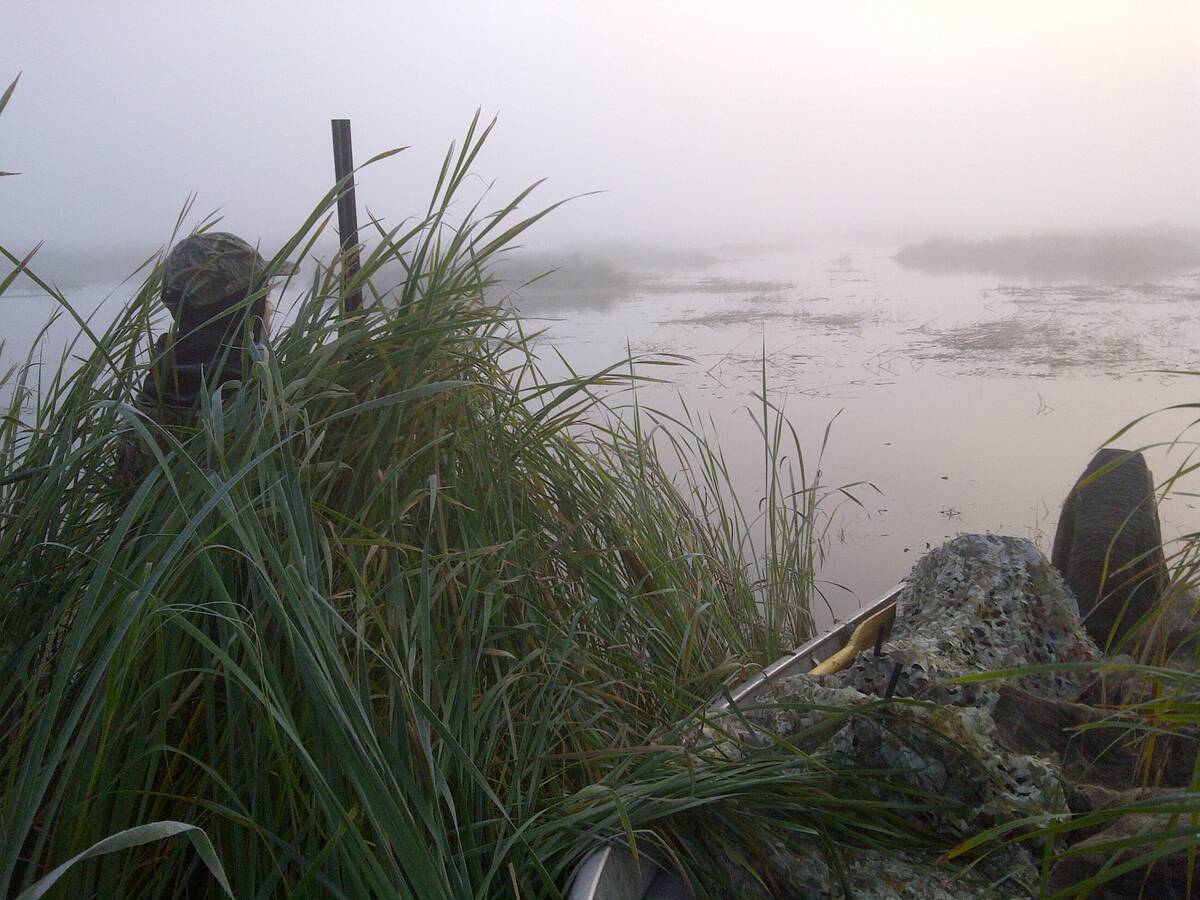
It’s not just my personal perspective. I recently reached out to Carly Deacon, managing director of the Manitoba Wildlife Federation (MWF). She has spent two decades starting up and running hunter training and mentorship activities. Deacon is also a mother, and she and her husband introduce their daughter to hunting, fishing and the outdoors.
Quality time is high on Deacon’s list when I asked for her views on why young people should take up hunting. “Some of the best conversations I have with my daughter occur when we’re outdoors,” she said.
She loves the fact that there are no cell phone interruptions (or there shouldn’t be), and the stress, distractions and pressures of daily life seem to dissipate. Parent and child are together, focusing on the outdoors and their shared experience.
She also likes the character-building elements of hunting. The responsibility to use firearms and hunt safely builds maturity. Also, “There are challenges and conflicting emotions that young hunters will face, like the gravity of taking an animal and the role of hunters in conservation,” said Deacon.
“I also see great value in kids having a better understanding of their food, and being thankful for the role of wildlife in that equation,” she added.
Keep the hunt safe
Rural folks usually grow up around firearms, which leads to a very different attitude from people who haven’t. The prevailing view in the latter group is that because hunting involves firearms, it must be dangerous.
In fact, compared to just about any other youth sporting activity, safety statistics for hunting stand out for its lower injury rates. And when youth take firearms safety training and hunt with responsible mentors, the odds of an injury drop even more. It’s also important to know that only a very small percentage of hunting accidents are fatal.
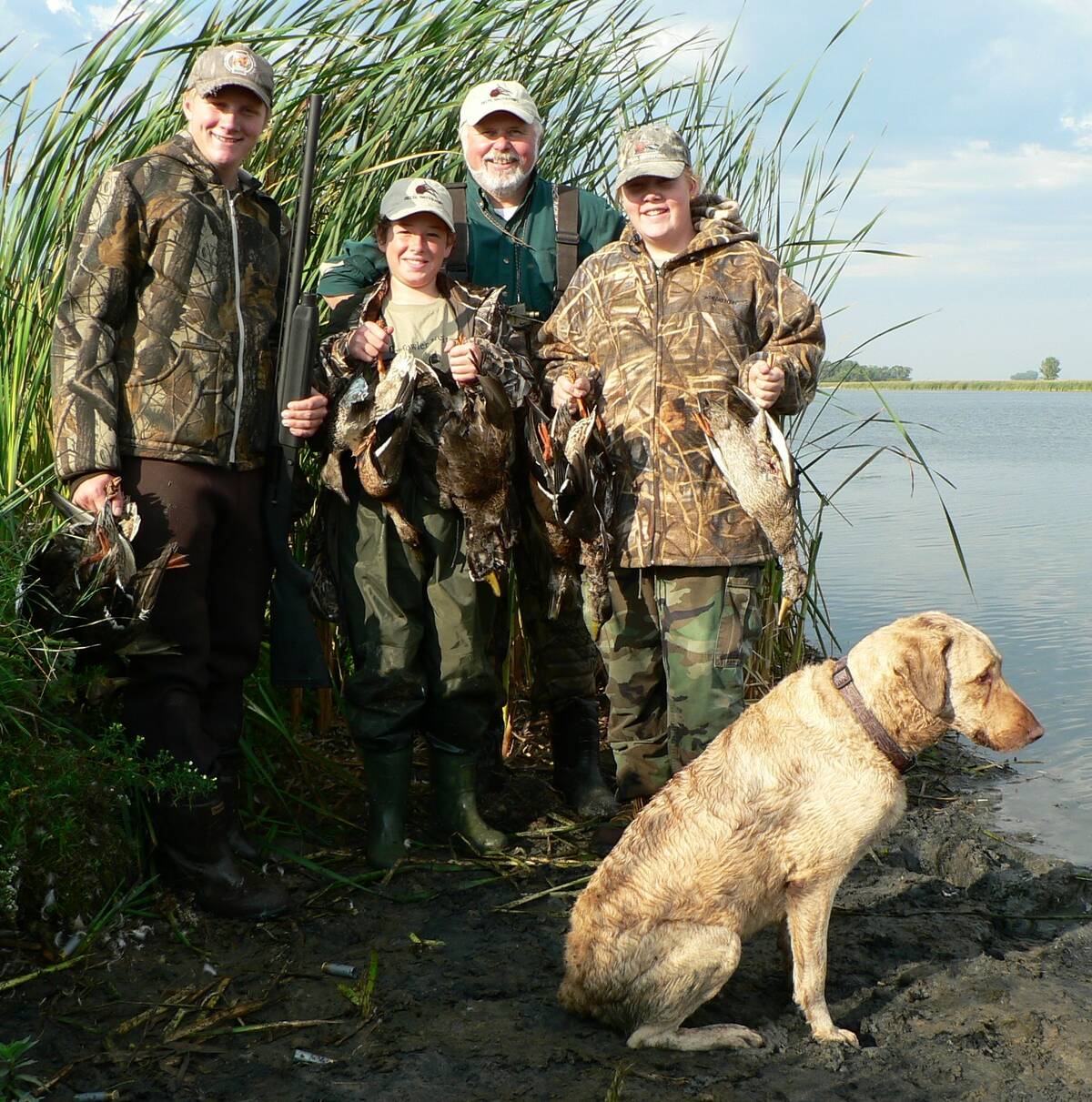
For many decades now, new hunters have had to pass a hunter safety course before they can purchase licences. These days, courses are offered across the province and online by the MWF. The key lessons I gained from my safety course, reinforced by my dad, are still front-of-mind over five decades later; “Muzzle control!” “Be sure of your target!” “Is your gun loaded?” “Lay your gun down before crossing a fence!”
There is no age limit to take the course, but participants under 12 must take it in person. Upon passing, 10-12-year-olds gain apprentice hunter status, allowing them to hunt with an adult mentor for upland game birds and waterfowl. Big game starts at age 12. Course availability and other details can be found on the MWF website.
Learning to hunt
Starting out with a competent, responsible mentor can’t be beat, but a range of courses offered by MWF, its affiliates and other groups can also guide beginners.
The long-running Junior Rifle program is still offered by local communities and some MWF affiliate clubs. It’s an excellent option to hone shooting skills, reinforce a safety-first ethic and hang out with other aspiring hunters. If that option is offered nearby, give it serious consideration.
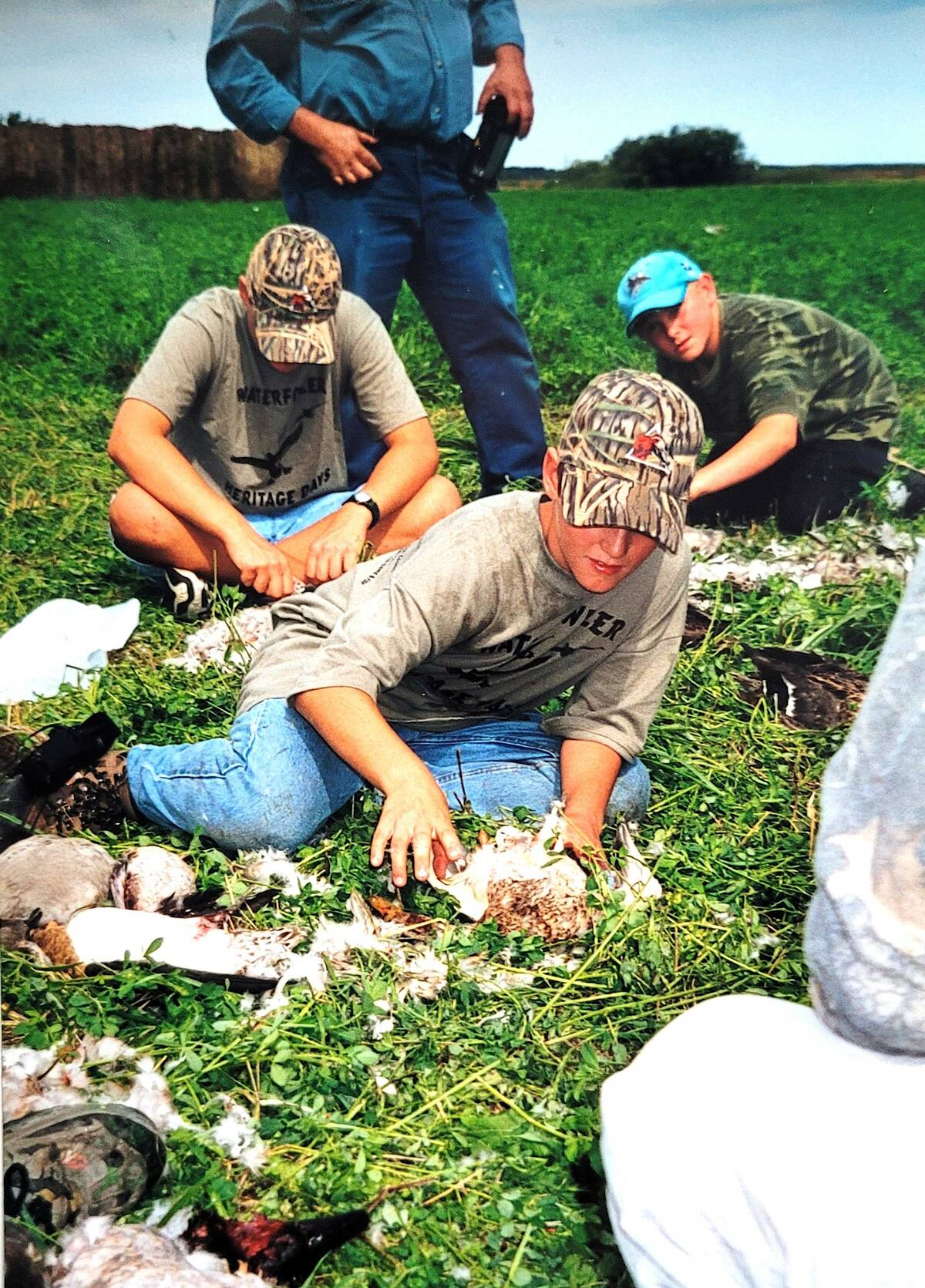
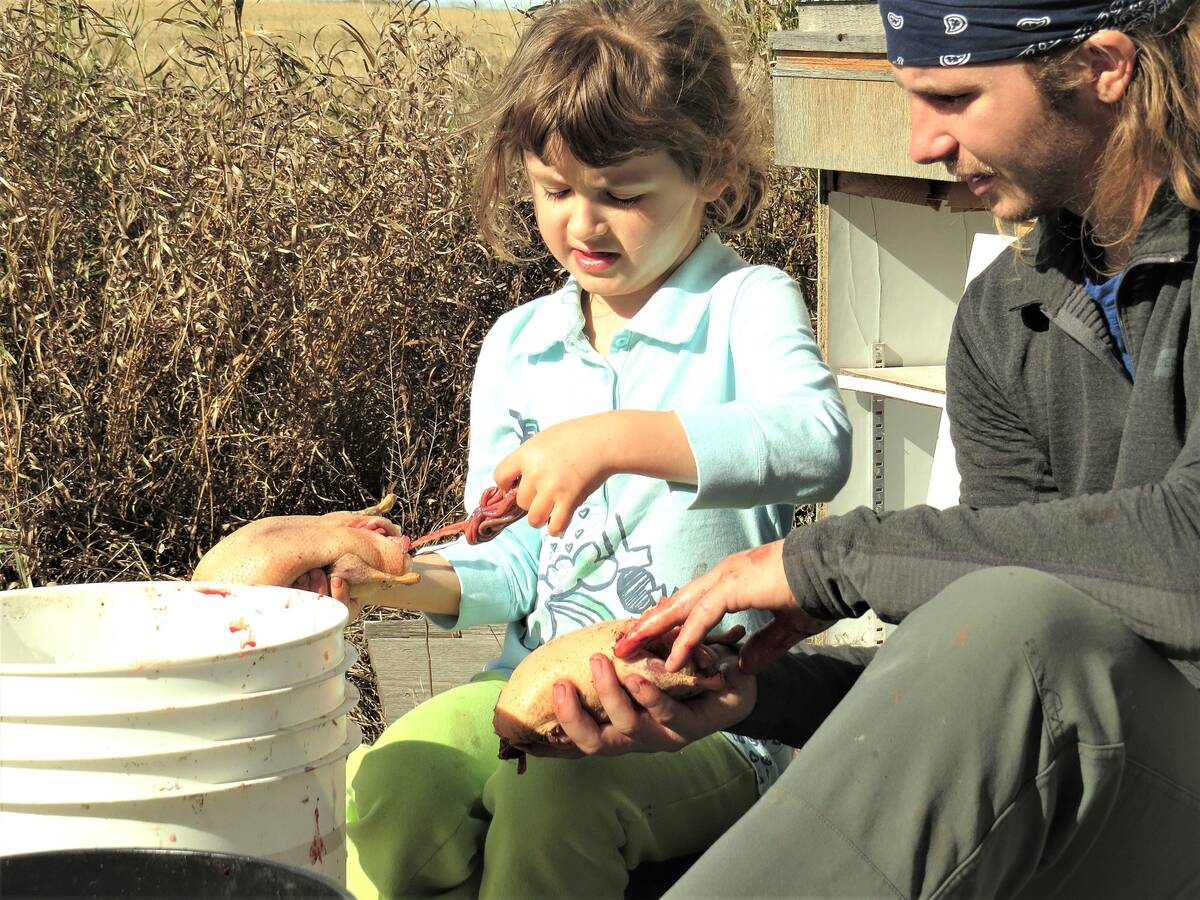
To help people who are sitting on the fence, the MWF and many affiliate groups run “Learn to Shoot” and “First Shot” days at local shooting ranges. Under the close supervision of experienced mentors, beginners may try their hand at firing a shotgun and various calibers of rifles.
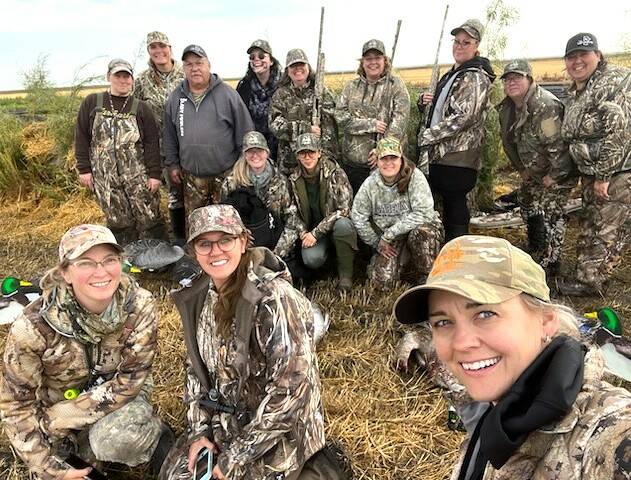
Deacon noted that women and girls are a growing proportion of new hunters. One of the MWF’s most popular offerings is the long-running Becoming an Outdoors Woman (BOW) event. It’s a weekend in May where women can select from a range of workshops on shooting, archery, angling, cleaning and cooking game, and much more.
The program gets rave reviews and fills up fast, so Deacon recommended that interested folks go to the MWF website, register for their newsletter, and note the BOW sign-up date.
The federation has also taken the next logical step with its “Becoming an Outdoors Family” events. Many BOW participants bring their families into outdoors activities through this event.
Mentored hunt events
The MWF and the Delta Waterfowl Foundation have been leaders in developing one- and two-day mentored hunts in Manitoba.
Mentored hunts usually provide equipment and pre-hunt training, followed by a day in the field under careful supervision.
To help expand opportunities, MWF provides guidance to its affiliate clubs so that they can deliver local events. Many are focused on waterfowl, but there are also deer and turkey hunt options. Most are set up for youth and families, but there are also mentored hunts for adults. One affiliate, Team Lady Fowlers, supports the growing participation of women and girls.
For a full list of opportunities from the federation and its affiliates, go to their website or call their office a call to discuss training and mentorship opportunities that meet your needs. Or go to the Delta Waterfowl Foundation website to check out their opportunities.
Mentor responsibilities
Young people usually get their start from parents or other family members. Mentors can look forward to unique, unforgettable experiences in nature, but we also need to consider our obligations.
Once my son had his hunter education course, he heard that he would be expected to act like an adult around firearms, no exceptions, if he was going to hunt. We also discussed ethical questions. As he took animals, field-dressing and meat-processing lessons followed. He learned to seek access permission from landowners with humility.
When I am mentoring, after ensuring that my guest has taken the hunter safety course, I discuss how we will conduct the hunt. While hunting, I set my gun aside and focus on them. Give your guest the benefit of your full attention, and don’t put them in a position having to shoot while others are as well. That should come later.
Think about the challenges that a given hunt may produce. A big one is long waits between shooting opportunities. Waterfowl hunts tend to be faster paced, but long waits and no shots are often the norm for deer. Prepare your hunter for those realities and ensure that they are dressed well enough to take the cold. Great snacks and hot tea help pass the time. I worry less about the Canada Food Guide and more on the treats they enjoy.
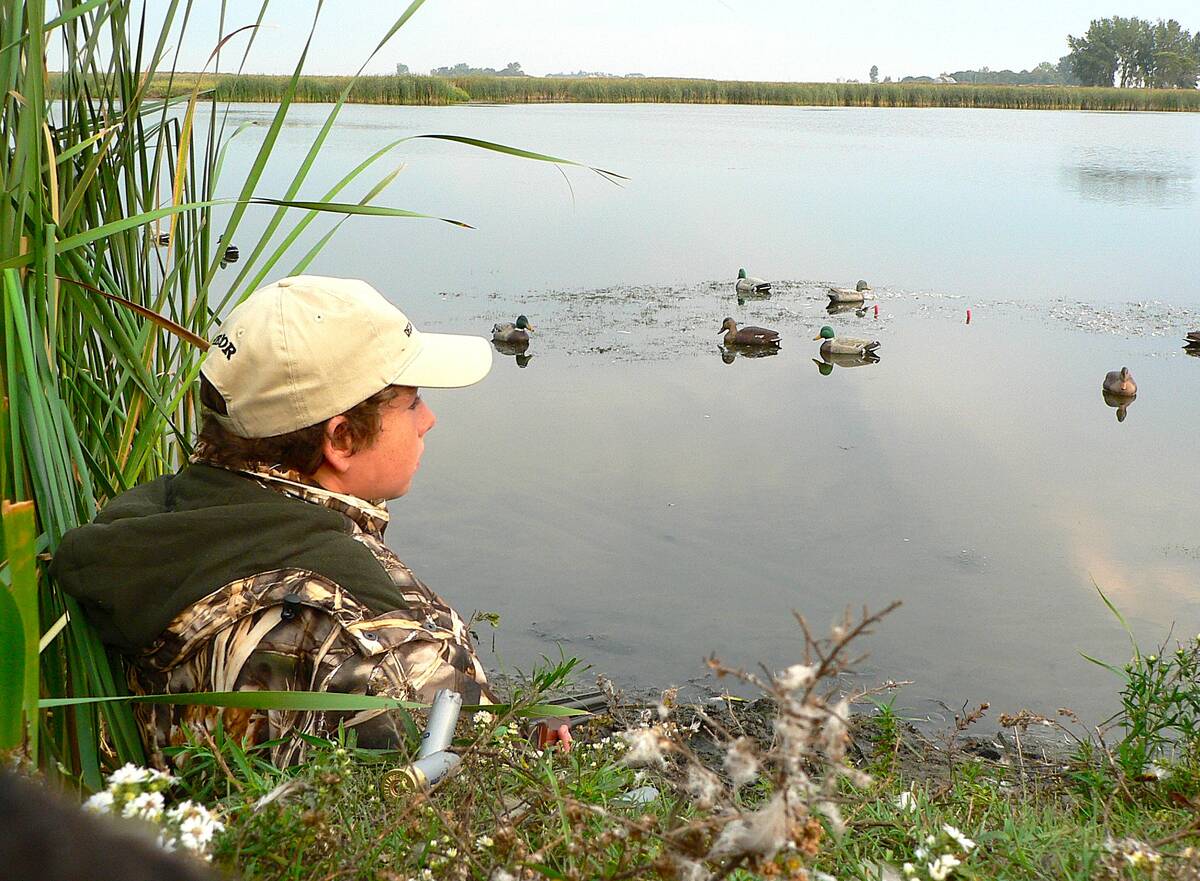
If you can, choose hunts that will likely have more wildlife encounters, such as a field where deer may be feeding in numbers, rather than along a trail in a forest. Most importantly — and the hardest thing for a keen mentor to do — is to call the hunt when your young hunter is clearly not enjoying it anymore. There may not be a “next time” if your young hunter only remembers bad experiences.
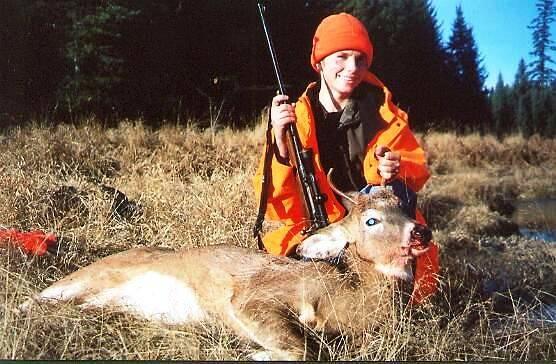
Talk about the ethical dilemmas hunters face and how to work through them. On the first day that my son hunted alone from a deer stand, I heard a shot an hour after we had split up. When I arrived, my grinning partner was standing over a nice, fork-horn buck. After the back-patting and a few pictures, he recounted the story. A much bigger buck had come out earlier. By Mark’s description, it was the kind of buck that hunters dream about, but he didn’t shoot, though it was only 50 meters away.
“I could only see its antlers and hind quarters. There wasn’t a good, killing shot,” Mark recounted. He was only 14, but as a hunter alone with his own choices, he showed maturity beyond his years.
Last word on youth hunting
Mark is now about three decades removed from trailing me on his first hunting trip. He’s endured fruitless hunts, tough hunts, spectacular hunts, and overdoses of dad-talk all along the way. I called him the other day, asked a few questions about how hunting has impacted him.
“We had the family cabin and all those wonderful outdoor experiences, but it’s not the same as being out in nature as a hunter,” he started.
He noted that, “Hunting has given me a perspective on food and the full circle of life. I learned lots from you, dad, and uncle Robert, but I also learned it by being a hunter.”
He also believes that hunting helped him become more responsible. “It was a different way to interact with adults,” he said. “Hunting is a great equalizer. The adults I hunted with expected me to be responsible and I guess I took that to heart.”
These days, most parents aren’t looking to insert more stuff into their kids’ busy calendars. But I think that, especially for rural families, starting or carrying on hunting traditions is a special opportunity for unique family experiences in the outdoors. It can build memories that will be cherished for a lifetime.