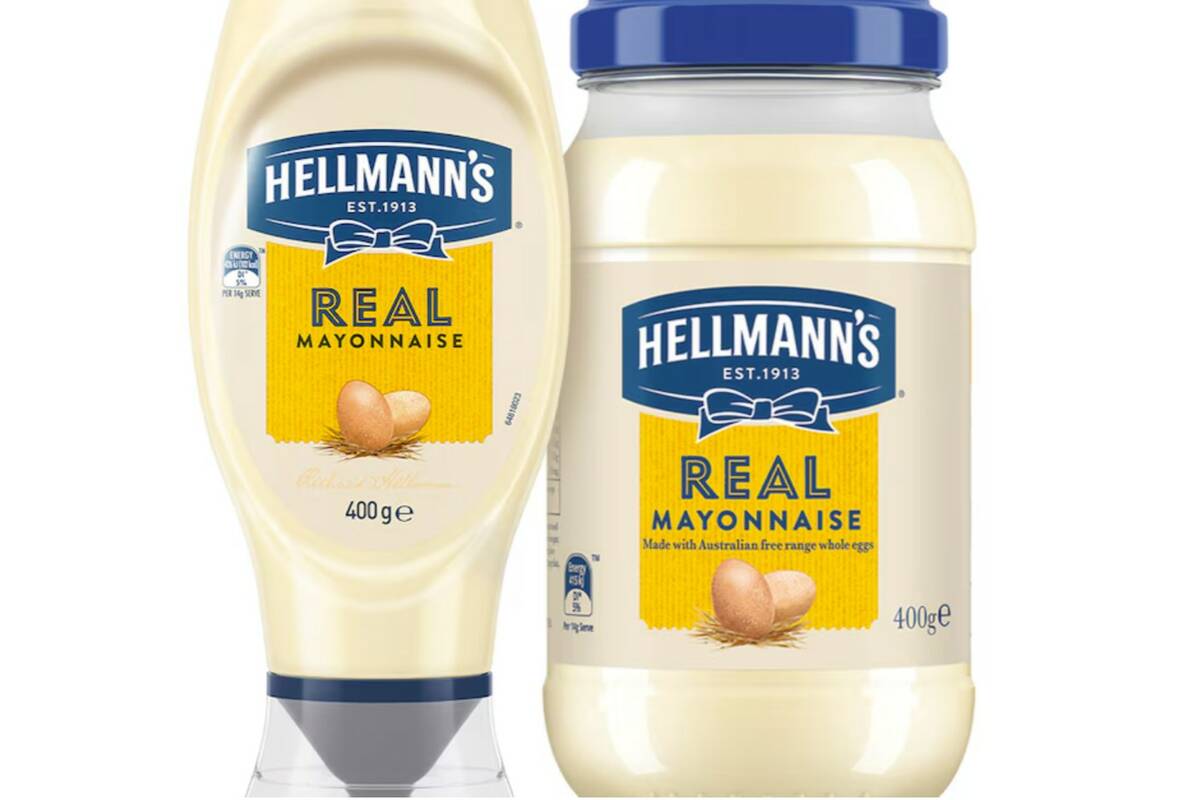
London | Reuters — Unilever is in talks with McCormick & Company about selling its foods business, in a potential deal that would bring together the British company’s Hellmann’s and Knorr brands with McCormick’s Cholula hot sauce.
Such a move would mark an acceleration of efforts to reshape Unilever. More than one Unilever CEO has tried to refocus the company’s portfolio by expanding in personal care and beauty, and selling some food brands.
Read Also
China urges hog producers to manage output, vows timely reserve adjustments
China’s state planner on Friday said authorities will make timely adjustments to hog reserves and continue to strengthen the management of hog production capacity.
The food business came under the spotlight again when the Financial Times reported that Unilever might spin it off, and had held merger talks with Kraft Heinz, which ended.
Unilever’s shares, which were higher in early trade on Friday, had fallen to their lowest since July last year as investors and analysts worried that CEO Fernando Fernandez could be distracted from the day-to-day running of Unilever by the potential separation. And they questioned the benefits of such an action so soon after Unilever’s protracted ice cream unit split.
How much is Unilever’s food business worth?
Unilever’s packaged food business accounts for more than a quarter of group sales, but faces pressures from a shift away from ultra‑processed products, competition from private label brands, and softer demand as the rise of weight‑loss drugs changes consumer buying habits.
Home to Knorr bouillon powders and Hellmann’s condiments, the division’s underlying operating margin – which excludes the impact of foreign currency exchange rates – was 22.6 per cent of revenue, outstripping the group’s 20 per cent margin last year.
The food business, which also makes Marmite spreads, reported an operating profit of 2.9 billion euros (C$4.6 billion) last year, giving it an enterprise value of roughly 30 billion euros (C$47.6 billion), according to Barclays estimates.
Slower to grow compared with the rest
The business, Unilever’s second largest by sales after personal care, grew at 2.5 per cent last year, more slowly than the rest of the group and well below the company’s own mid-term goal.
Underlying sales growth at Unilever’s foods division has lagged that of other units since the COVID-19 pandemic highs, repeatedly falling short of the company’s annual goal of sales growth of between four and six per cent.
Analysts and investors question the long-term prospects of the packaged food industry when politicians, including U.S. Health Secretary Robert F. Kennedy Jr, have highlighted the potential health risks of processed foods.
Developed markets have reached saturation
Part of the problem is that the business is operating in two contexts: developed and emerging markets. Unilever’s food business is growing more slowly in North America and Europe than in countries such as India and parts of Latin America, where the group has a stronghold in food and private label products are less sophisticated, meaning they offer less competition.
“There is more growth in emerging markets, which accounts for 55 per cent of food for Unilever, but it’s still not enough to make up for Europe and the U.S. where the market is saturated,” Barclays analyst Warren Ackerman said.