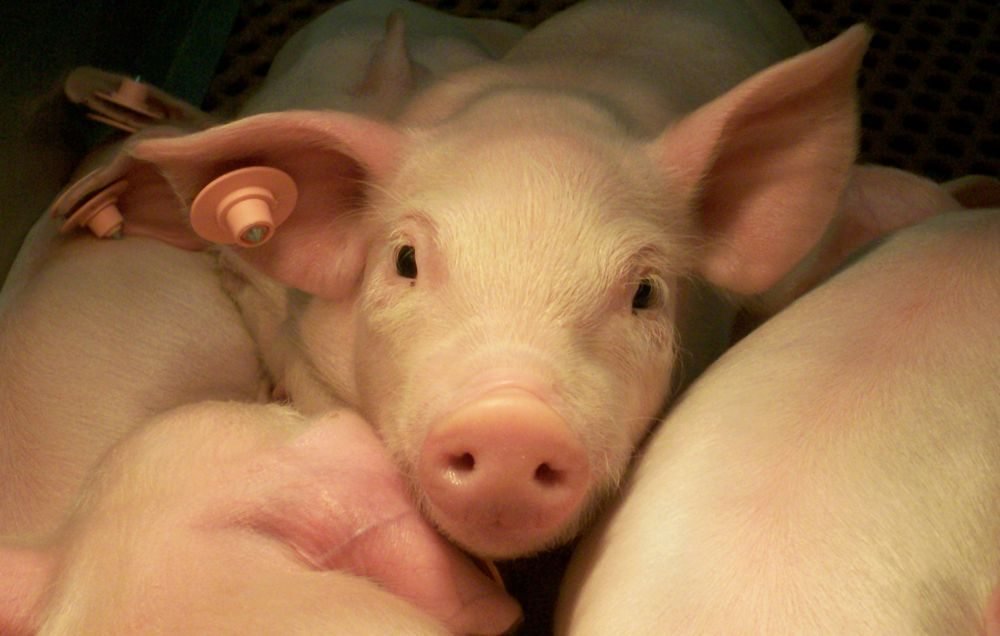
Chicago | Reuters –– Chicago Mercantile Exchange lean hog futures dropped for the second straight session on Wednesday, on technical selling and after government data showed heavier-weight U.S. hogs that pointed to larger supplies, traders said.
Bear-spreading pressured front-month December hogs, which settled down 2.175 cents at 54.7 cents/lb., a decline of about four per cent. February hog futures fell 2.8 per cent or 1.675 cents, to 62.575 cents.
Hog prices had jumped to a roughly two-week high on Monday before turning lower. That selling continued on Tuesday.
Read Also
Australian farmers shift to less fertilizer-intensive crops as Iran war costs surge
Australian farmers are expected to favour less nitrogen-intensive crops such as barley over wheat and canola in the upcoming season due to rising fertilizer and fuel costs.
“We had a nice run-up and broke out above resistance, and then obviously failed,” said Top Third Ag Marketing analyst Craig VanDyke.
Hog weights in the top market of Iowa and southern Minnesota averaged 282.8 lbs. in the week ended Oct. 13, U.S. Department of Agriculture data showed before the opening of futures trading. That was above 280.9 lbs. in the previous week and 282 lbs. a year ago.
Bigger animals boost available supplies for pork packers and can also pressure futures and cash hog prices.
CME cattle futures were mostly lower, also declining on technical selling and as traders squared positions ahead of a monthly USDA cattle supply report due on Friday.
Analysts polled by Reuters predicted a 0.1 per cent rise in cattle placed on feed during September and about 6.4 per cent more cattle in U.S. feedlots as of Oct. 1.
Additionally, heavy rains in the southern U.S. Plains cattle region left many feedlots muddy. Feedlot operators sometimes are reluctant to bring in animals in those conditions. A recent spike in corn futures to a two-month high also raised costs for fattening animals, limiting demand.
“We’ve seen feeder demand come off just because of how bad the conditions are,” VanDyke said of feedlots.
November feeder cattle futures fell 0.875 cents to finish at 153.35 cents/lb., the lowest since Sept. 12. CME December cattle was down 0.4 cent at 117.375 cents/lb.
— Michael Hirtzer reports on commodity markets for Reuters from Chicago.