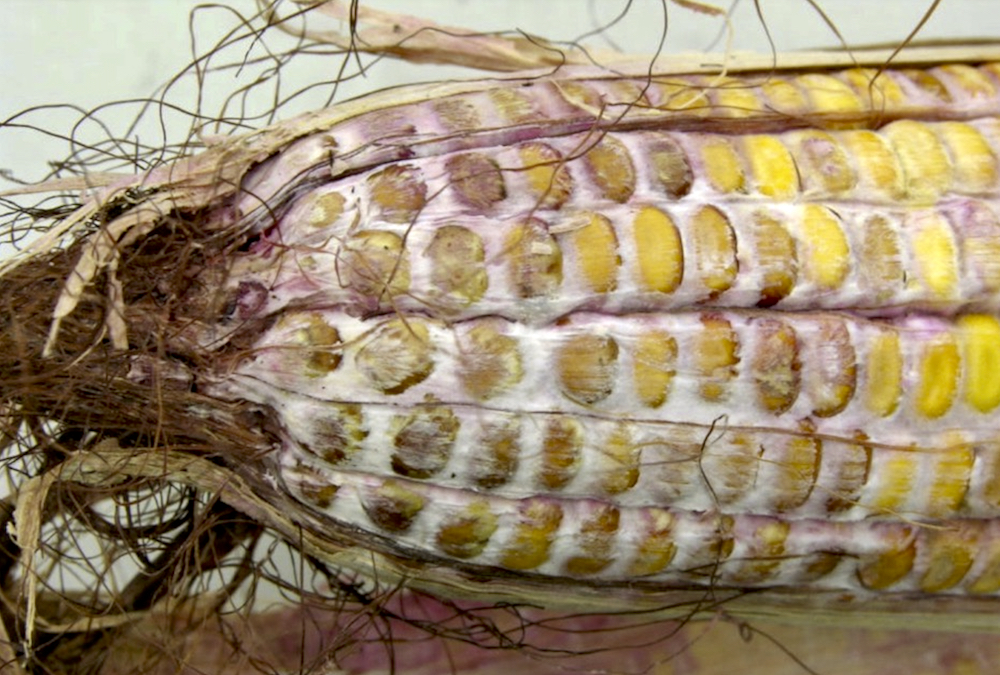
Chicago | Reuters – A fungus that causes “vomitoxin” has been found in some U.S. corn harvested this fall, causing headaches for growers and livestock producers and forcing ethanol plants and grain elevators to scrutinize grain deliveries.
The situation is another hit to global grain supplies that have sunk to the lowest in a decade since Russia invaded corn and wheat producer Ukraine. Drought has also slammed U.S. and European crops.
Feed made from grain contaminated with concentrated levels of the plant toxin can sicken livestock and lead to low weight gain, particularly among hogs, and grain buyers can reject cargoes or fine farmers for shipments that contain it.
Read Also
Pulse weekly: USDA to buy US$75 million in pulses as part of support package
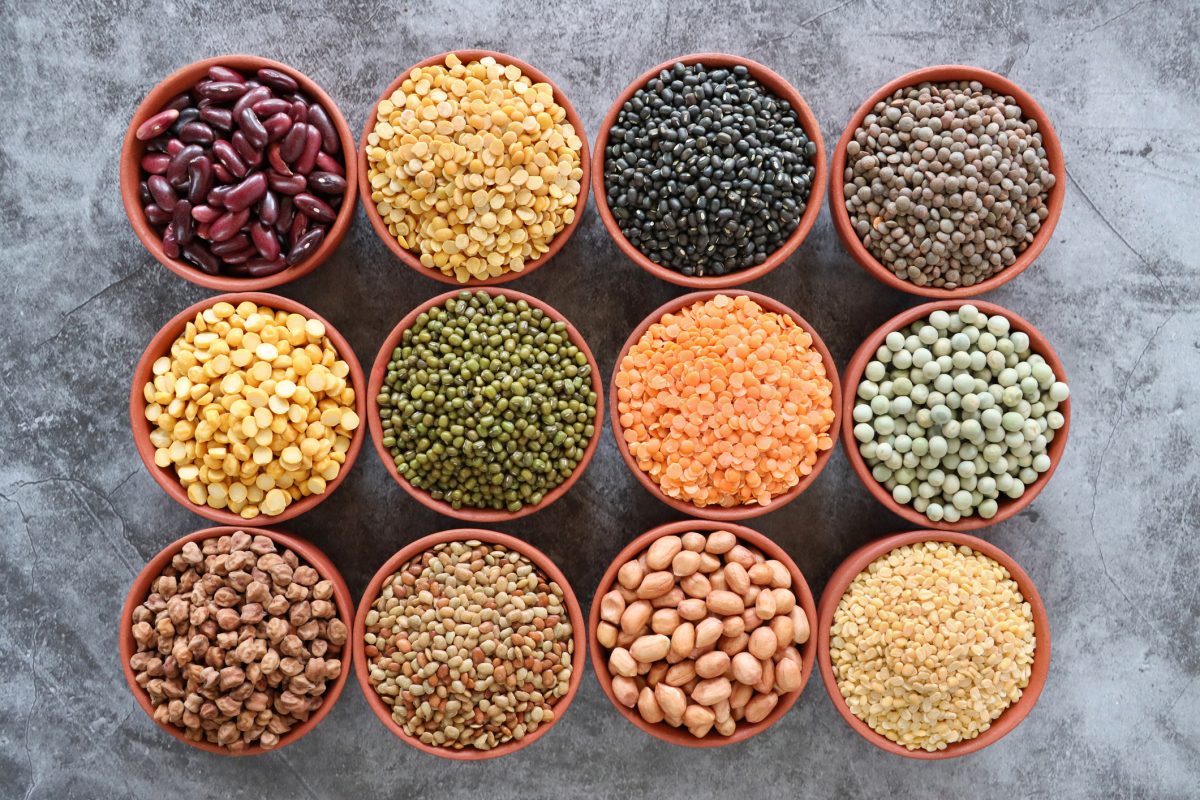
Pulse growers in the United States have a new market after a recently announced program from the U.S. Department of Agriculture allocated US$75 million to purchase peas, lentils, beans and chickpeas.
Early signs of the toxin are emerging in Ohio, according to a weekly report from the U.S. Department of Agriculture. Grain buyers in eastern Indiana are also starting to more rigorously test corn deliveries for vomitoxin, according to farmers and elevator sources.
The toxin is also a problem for ethanol producers who sell a byproduct called distillers dried grains (DDGS) for animal feed. In the process of making ethanol, vomitoxin becomes more concentrated in DDGS, said Pierce Anderson Paul, a professor and epidemiologist with Ohio State University’s department of plant pathology.
POET LLC, the world’s largest ethanol producer, is testing for vomitoxin in grain being delivered to its plants in Fostoria, Leipsic and Marion, Ohio, and Portland, Indiana, according to the company’s website and corn growers who sell to these facilities.
That, in turn, has led to longer-than-normal traffic for farmers, who must await test results to know whether Poet will accept their loads, according to three producers.
Poet did not respond to a request for comment.
With just 56 per cent of Ohio’s corn crop harvested, according to the latest government data, it is not known how widespread the issue is in the state or beyond.
The problem can emerge in areas where wet weather leads the fungus to grow in corn ears when harvest is slowed or delayed, Paul said.
Lane Osswald, a farmer who grows corn, soybeans and wheat on 1,500 acres of land near Eldorado, Ohio, said his crops were sheltered from disease by dry conditions throughout the summer.
But late season rains left some farmers’ crops vulnerable to vomitoxin, he said, particularly after wet fields delayed planting during the spring.