
U.S. tariffs pose a danger to Indigenous farmers and the economy sovereignty and food security of Indigenous communities, says the National Circle for Indigenous Agriculture and Food (NCIAF).
Such trade barriers “threaten Indigenous agriculture, agri-food businesses, and the broader principles of fair and equitable trade,” NCIAF said in a news release today.
NCIAF represents Indigenous agriculture producers and advocates for Indigenous perspectives and participation in the Canadian agriculture and agri-food sector and in key policy discussions.
Read Also
China’s Q1 pork output up 4.2 per cent from a year earlier, lags expectations
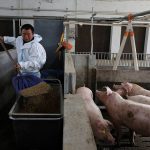
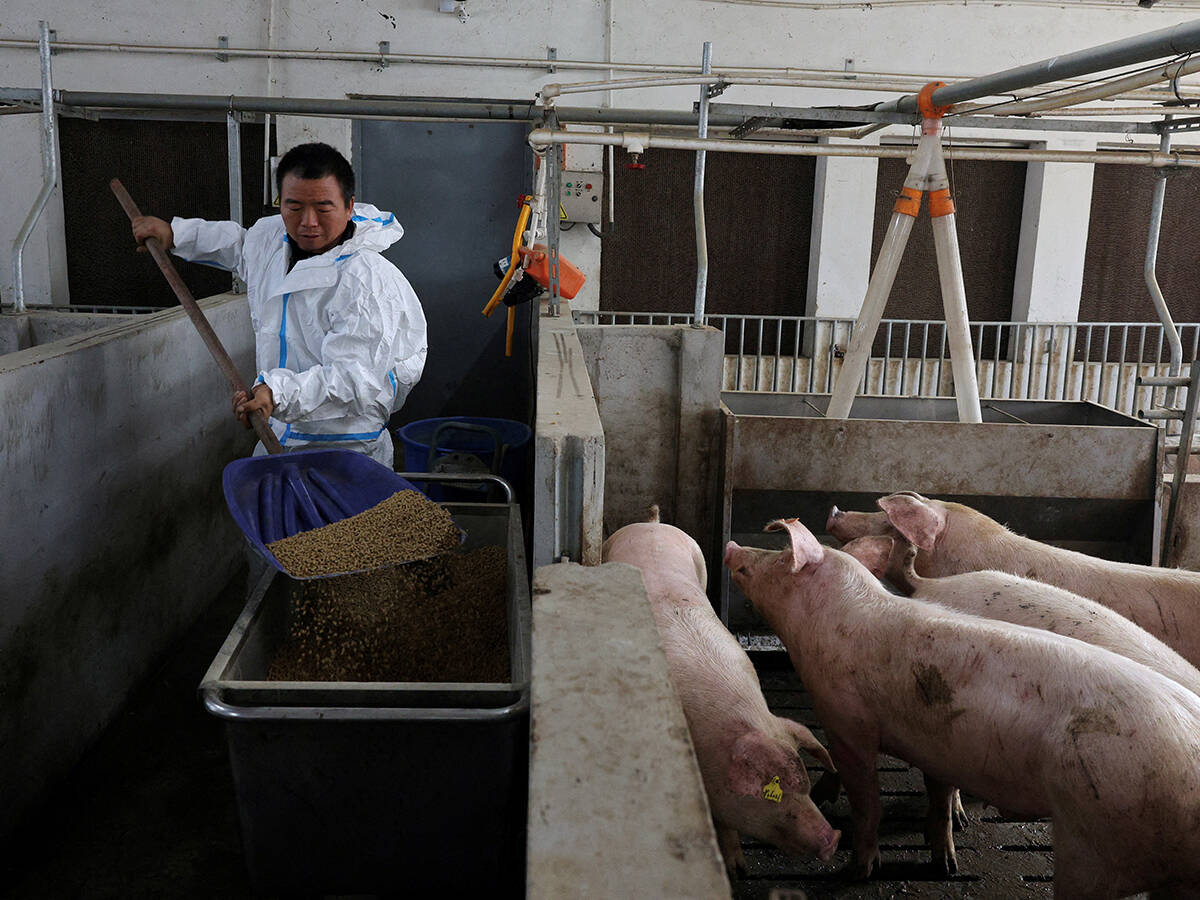
China’s pork production rose 4.2 per cent in the first quarter of 2026 from a year earlier as hog producers accelerated slaughtering to address a supply glut.
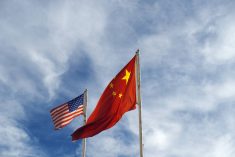
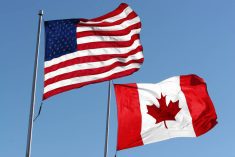
On Tuesday, U.S. President Donald Trump imposed 25 per cent tariffs on Canadian and Mexican imports, and added an additional 10 per cent tariff on Chinese goods. Canada retaliated with counter-tariffs on some $30 billion of American goods.
NCIAF said it will continue to support Indigenous people in agriculture and their food systems. It encouraged Indigenous agribusinesses to continue connecting with each other, sharing concerns with NCIAF, and accessing NCIAF’s resources.
Indigenous peoples have played a critical role in trade and economics throughout North American history, NCIAF said. Without them and their knowledge of food systems, plant growth, and weather patterns, the first settlers wouldn’t have survived.
“Together, we will continue to strengthen our food sovereignty and economic resilience,” NCIAF said.