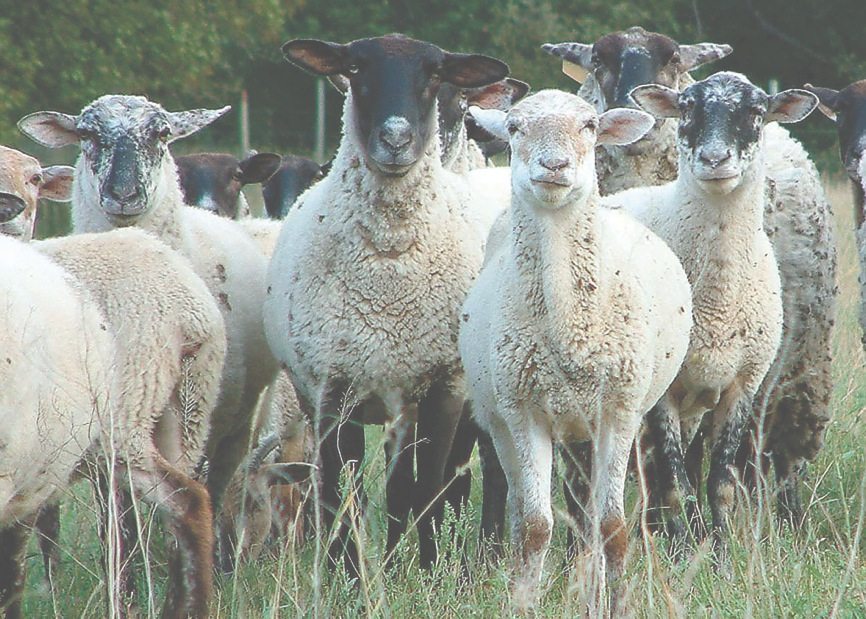
Sheep producers, consumers and anyone with an interest in the welfare of sheep are being asked to review and comment on a new sheep code of practice that is available online.
The code is one of eight livestock codes that have been undergoing revision, with a focus on a number of welfare issues, including painful procedures, less stressful handling methods, flooring types, and methods of euthanasia.
Producers should go to the website for detailed information and to offer their comments online before the Sept. 6 deadline, said Brian Greaves, a sheep producer from Miniota, Man. and one of the 17 members of the committee which developed the code.
Read Also
Klassen: Feeder cattle market continues consolidation
For the week ending March 28, Western Canadian feeder cattle market once again traded $10/cwt higher to $10/cwt lower compared…
“If sheep producers find anything in it that they are concerned about, they can go online and make comments about it,” he said.
A scientific committee report summarizing research on priority welfare topics for sheep can be found online alongside the draft code. The committee — which included researchers with expertise in sheep behaviour, health and welfare — spent two years on the new code and is keen to get feedback on its work, said John Hemsted, an Ontario sheep producer who chaired the committee.
“This public comment period will allow us to ensure we are on the right track in providing sheep owners with the information they need to meet the needs of their animals,” he said. “All feedback received through the public comment period will be considered by the committee as they finalize the new code.”
The code was developed by consensus, not a vote, and so the emphasis was on finding a “middle ground” that balances the views of producers, animal welfare officials, veterinarians, and transporters, Greaves said.
After receiving feedback, the committee will make revisions and issue a final code by year’s end. The committee was established by the Canadian Sheep Federation and the National Farm Animal Care Council.