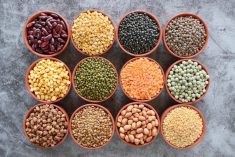
Very little has changed for Canadian pulses in terms of exports to India, according to an analyst.
Meanwhile, Canadian stocks of dry field peas and lentils are still relatively large, according to Statistics Canada.
India in 2017 imposed import duties to protect its domestic pulse industry and is rumoured to be solidifying those duties, according to Adam Krizer of CanPulse Foods in Saskatoon.
The move is considered a ploy by India’s governing Bharatiya Janta Party to garner the support of farmers, who comprise a very large voting bloc in this spring’s national elections in India.
Read Also

U.S. finalizes biofuel blending quotas for 2026-27, cuts RINS for foreign feedstocks
The Trump administration on Friday finalized new biofuel blending volumes mandates for the U.S. oil refiners, requiring more of the fuels made from corn and other agricultural products than initially proposed,in an apparent win for U.S. farmers.
“They raised domestic prices again at the expense of North American companies with product that’s in question right now as what to do with it,” Krizer said.
Some shipments of peas managed to get to India through different channels, but India took measures to block that, he said.
Here in Canada, the margins for pulses have narrowed, Krizer noted.
“Four dollars per tonne is the difference between a farmer and a trader… and no deal was made,” he said, adding the ceiling for pulses is getting close.
Krizer doesn’t expect a large shift in the amount of acres farmers will allocate for pulses in 2019, and despite stocks being down compared to 2017, there are still lots to sell off.
Lentil stocks as of Dec. 31 were at 2.04 million tonnes and there were 2.5 million tonnes dry field peas, according to Statistics Canada’s total stocks of principal crops report, which was released Tuesday.
Compared to 2017, lentil stocks were down slightly from 2.11 million tonnes and dry field pea stocks had a more significant drop from 2.82 million.
With those stocks, Mike Jubinville of ProFarmer Canada and MarketsFarm agreed there is no justification for pulse prices to move much higher.
“Lentil stocks still look relatively high and we’re into a period that’s just going to take time to bear itself out so we can repair this market,” Jubinville said.
— Glen Hallick writes for MarketsFarm, a Glacier FarmMedia division specializing in grain and commodity market analysis and reporting.