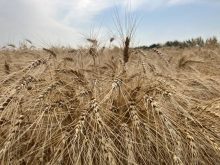
A combination of heavy rains in June followed by recent heat and dryness on the Prairies have turned into mainly favourable growing conditions. However, a wet bias is still expected for the majority of the summer, which could push back the beginning of harvest.
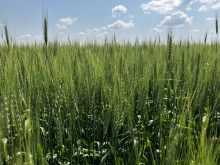
“We’ve got some pockets out there that are a little wet and some that are turning a little dry, but in general, we’re getting enough sunshine and precipitation to maintain a favourable environment,” said Drew Lerner, weather specialist with World Weather Inc. near Kansas City.
Read Also
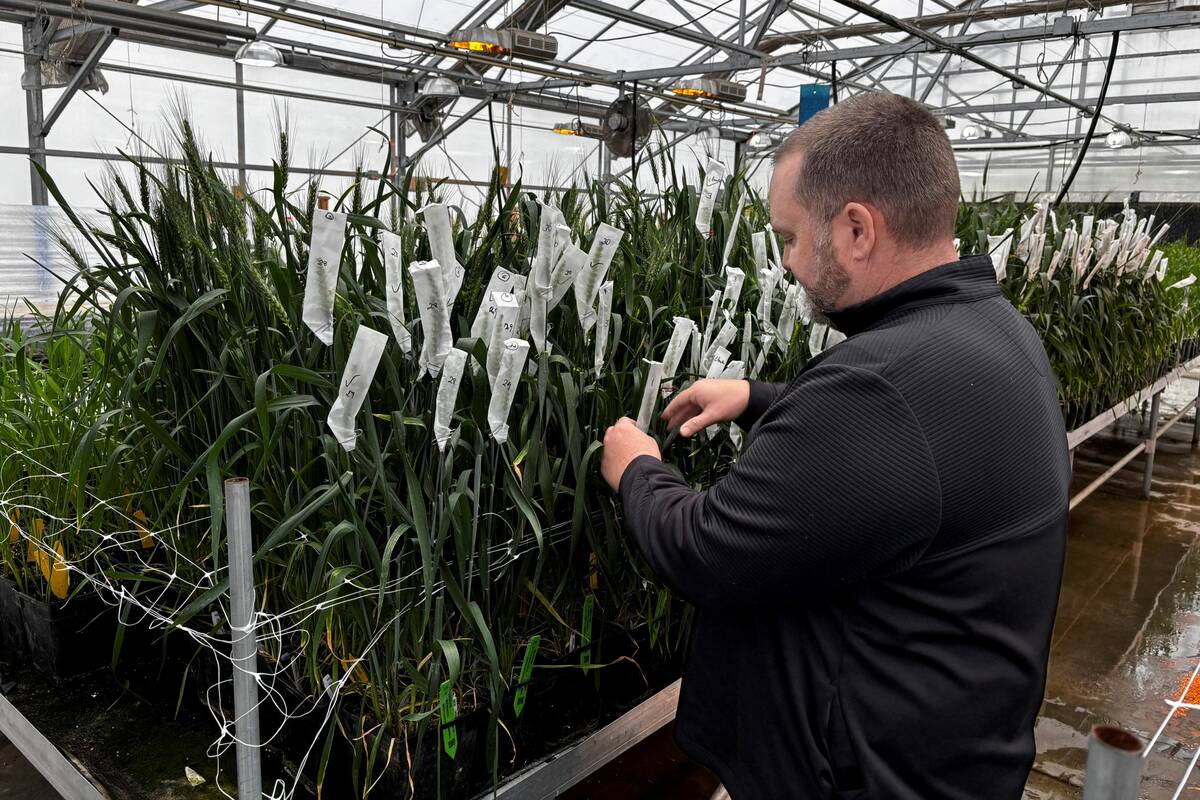
U.S. researchers bet on hybrid, GMO seeds to make wheat profitable again
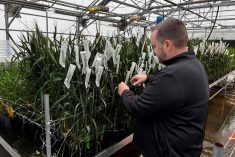
Scientists are developing hybrid wheat seeds that promise higher, more consistent crop yields as drought becomes more common across the U.S. Plains.
For the most part, Lerner said, Manitoba and Alberta face healthy growing conditions after a rainy June was beneficial to soil conditions.
Saskatchewan faced heavy precipitation throughout the month, and will likely see more as the growing season continues, he said.
High rain frequencies are expected to continue throughout Saskatchewan, but will ease off in southern Manitoba and northwestern Alberta. Dryness in the southwestern Prairies and Peace River region will likely see a net-drying bias, Lerner said.
“I think the big concern will be whether or not we can shut the rains off in time for crop maturation and harvest progress,” he said. “I think there will be some rain that will still linger long enough that we’ll be concerned about crop conditions and delays in harvest progress.”
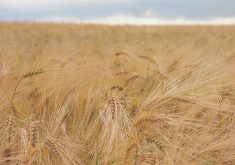
Most areas in Manitoba are on pace for a normal harvest date, but about 70 per cent of Saskatchewan and about a third of Alberta producers are already running behind schedule because of wet crops. They’ll probably need an extra week to 10 days of warm and dry weather for proper crop maturation, Lerner said.
However, he said, the late harvest may not be such a bad thing, considering the crops won’t be fully mature anyway. He also said he would still “be a little bit concerned about a delay in harvest.”
The first frost will likely come about a week later in September than usual, he added, but noted that was based on preliminary research.
— Ryan Kessler writes for Commodity News Service Canada, a Winnipeg company specializing in grain and commodity market reporting.