La Niña is expected to linger for another month or two before likely giving way to neutral Pacific conditions between January and March 2026, carrying a 68 per cent probability, the U.S. Climate Prediction Centre said on Thursday.
“Even after equatorial Pacific SSTs (Sea Surface Temperatures) transition to ENSO-neutral, La Niña may still have some lingering influence through the early Northern Hemisphere spring 2026,” the centre added in its monthly update.
Read Also
U.S. farmers rush to sell crops as Iran war fuels rally
U.S. grain prices have surged since the Iran war began, triggering a flurry of corn and soybean sales by farmers who squirreled away last year’s harvests due to weak prices.
La Niña is part of the El Niño-Southern Oscillation climatic cycle, which affects water temperatures in the central and eastern Pacific Ocean. La Niña results in cooler water temperatures, increasing the chance of floods and drought, which can impact crops.
When ENSO is neutral, water temperatures stay around the average level, leading to more stable weather and potentially better crop yields.
Wet Brazil, Argentina, dry U.S. plains
“Sea-surface temperatures can return to a neutral ENSO in January or early February, but the lag with the atmosphere can result in weak La Niña atmospheric conditions carrying into March,” said Jason Nicholls, lead international forecaster at AccuWeather.
Nicholls highlighted excessive rainfall in southern Brazil as a concern but said: “I do not really foresee widespread significant drought problems across much of the global croplands in the coming months.”
Donald Keeney, agricultural meteorologist at Vaisala Weather, said conditions in the Pacific have warmed, with current temperatures “on the threshold of neutral and weak La Niña.”
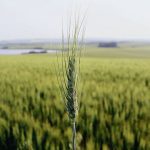
Keeney expects wetter conditions in southern Brazil and Argentina as La Niña fades but warned: “The biggest threat in the short term should be the dry conditions in the central and southern Plains,” which may raise concerns for the U.S. hard red wheat crop heading into spring.
“While there may be isolated individual market challenges, we believe that impacts are limited by expectations of a weak La Niña, which will not persist throughout the entirety of the crop season,” said Matthew Biggin, senior analyst at BMI, a Fitch Solutions company, adding favorable soil moisture conditions in Argentina’s central agricultural regions, the best in five years, may help mitigate potential dryness.
Many regions expected to be warmer than usual
A weak La Niña may affect global weather patterns during the next three months, according to a World Meteorological Organization prediction published last week.
Though the La Niña pattern involves the temporary cooling of temperatures in the central and eastern Pacific Ocean, many regions are still expected to be warmer than normal, increasing the chance of floods and droughts, which can impact crops, the WMO said.
Japan’s weather bureau said on Wednesday it was currently seeing conditions close to the La Niña phenomenon but that such conditions would likely fade rapidly towards the end of the Northern Hemisphere winter.
Indian farmers have ramped up planting of winter crops including wheat, rapeseed and chickpea, putting the country on track for record acreage as abundant soil moisture enables cultivation even in typically rainfed areas that often remain fallow.
— Reporting by Anmol Choubey in Bengaluru