

Glacier FarmMedia – The ongoing conflict in the Middle East has rattled the commodity markets, and canola was no exception, said Tony Tryhuk, director of futures trading for RBC Dominion Securities in Winnipeg.
The May canola contract closed at a high of C$739.90 per tonne on March 13 and then pulled back to C$702.60 on March 16. It recouped most of its losses the following day, but slipped to C$726.20 on March 18.
Read Also
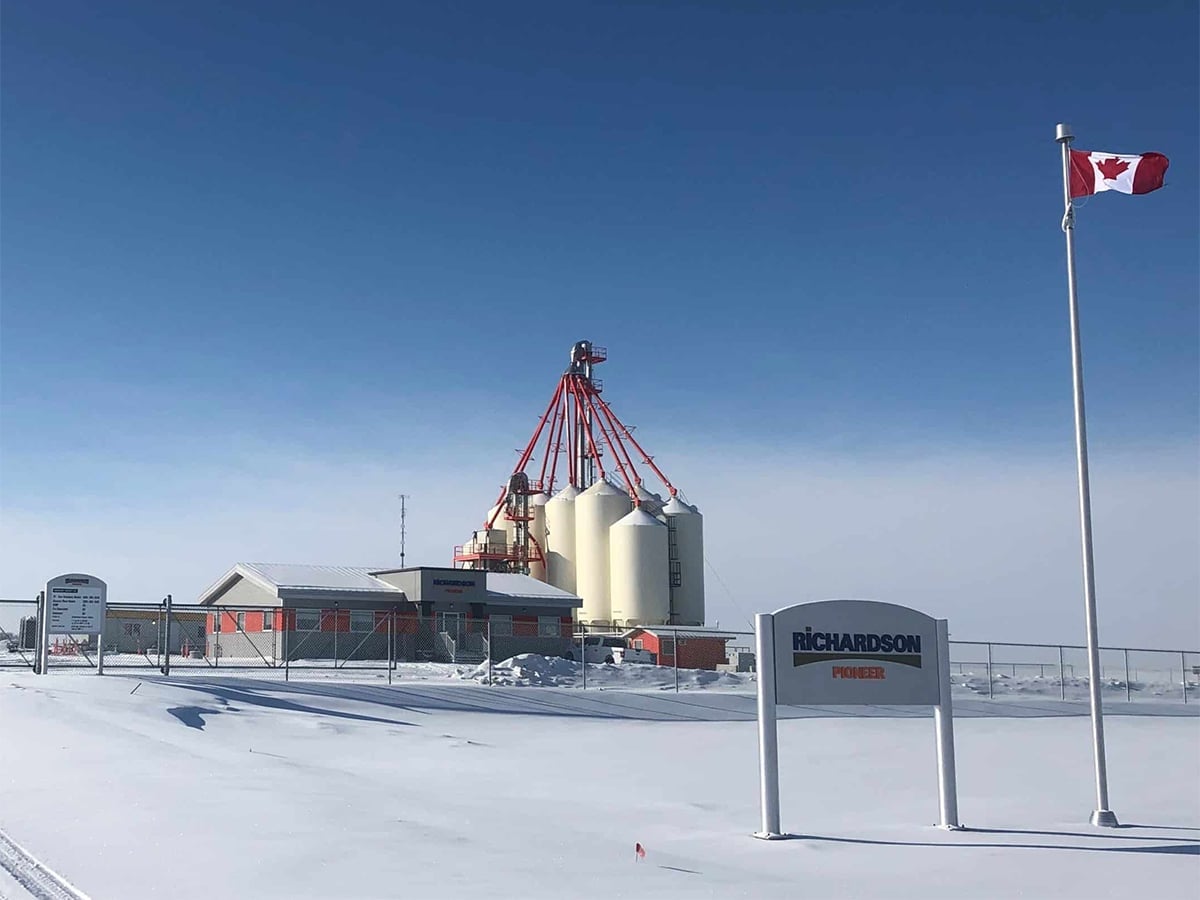
Richardson back in the fold at canola council
Richardson International has rejoined the Canola Council of Canada after a nearly nine-year hiatus.
Tryhuk said canola prices are “weakly correlated” with those of crude oil, they follow soyoil prices more strongly. The May soyoil contract in Chicago reached 67.44 cents per pound on March 13, but dropped limit down on March 16. Soyoil regained most of its decline the next day, but eased back to 65.53 cents/lb. on March 18.
For daily market updates, visit the Western Producer Markets Desk
“(Soyoil) was really more influenced by Trump’s and China’s decision to push back on some of their anticipated meetings because of what’s happening in the Middle East,” he said. “Perhaps that selloff was a bit oversold. The meetings weren’t cancelled, just postponed.”
In addition to higher prices, Tryhuk thinks canola planting in 2026-27 is likely to exceed the 22-million-acre mark.
Statistics Canada projected 21.84 million acres of canola to be seeded this spring. However, data collection was completed before China’s reduced tariffs on Canadian canola exports and before the war started in the Middle East.
“If anybody had the potential for swing acres and they weren’t sure what to do, then without a doubt,” he said. “We were looking at prices in the lower end of the C$600 range leading up to the report collection and since then, (canola) swelled by over C$100. I’m sure this will inspire (more) acres and perhaps the seeded figure will come closer to what the trade estimated.”
Export demand underwhelming
Nevertheless, rising canola prices could also backfire. Export demand has not been as much as anticipated after China reduced its tariffs.
“Higher prices will put some demand out of reach … A lot of the activity we’re seeing is crusher demand but I don’t think we’re seeing a lot of export demand,” Tryhuk said. “The domestic crush industry is going to have to support the futures. As long as the crush margins remain as excellent as they are, we’re not going to be concerned about a collapse or erosion in values.”
He added that canola could see more demand outside Canada, depending on the United States 2026 and 2027 biofuel blends to be announced later this month. Meanwhile, the canola crush was 11.5 million tonnes last year and is on pace to match that this year. This could mean Canada’s canola crush capacity may have reached its upper limit.
As crude oil prices stay elevated, canola is likely to do so as well.
“I think it’s fair to say we’ve probably reached a new price band for canola and I wouldn’t expect us to return to the C$625 area this year,” Tryhuk said. “Yes, we’ll see a pullback in crude. Yes, we’ll see a similar pullback in canola … But the media is saying there won’t be a quick resolution to this conflict and as such canola should be supportive generally.”