Glacier Farm Media — There are grim prospects for canola prices as the New Year approaches said Winnipeg-based trader and farmer Bill Craddock.
“These are some tough markets to trade,” Craddock said. “It’s hard to predict what they’re going to do from one day to the next.”
He explained that when the January canola contract increases to around C$625 per tonne, the market moves to push the price lower.
That held true over the week ended Dec 10, with the January canola contract dropping almost C$14 at C$615.40 per tonne and the March contract down nearly C$16 at C$626.80/tonne.
Read Also
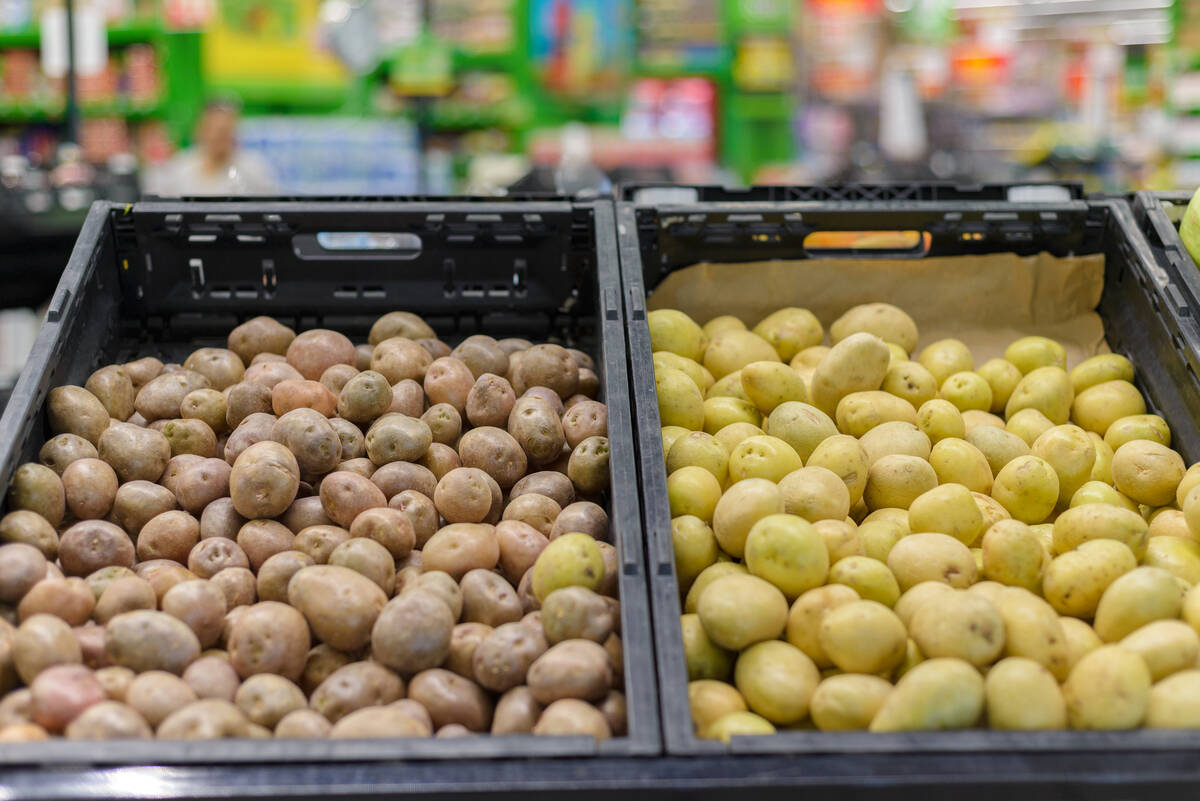
Path cleared to Mexico for fresh Canadian potatoes, supplanting U.S. spuds
A new agreement between national food safety agencies would allow Canada to export fresh potatoes to Mexico, whose imports of fresh potatoes for years have been solely from the U.S.
Exports & domestic use
One big issue Craddock said has been the lack of canola export sales to China. However, he pointed out that “the domestic crushers are running flat out” with farmers quite willing to sell their canola to them. That has meant those buyers don’t need to push up their prices to attract more canola from the farmers.
Despite that strong domestic use of canola, Craddock is rather pessimistic about where the Canadian oilseed’s prices are heading.
Bleak outlook
Craddock said his gut feeling says the nearby contracts could lose another C$15 to C$20/tonne before New Year’s. Then in the first part of 2026, he expects those contracts to slide back an additional C$20 to C$40.
“I think we are going to be disappointed (and) scratching our heads on how we can lock in something decent for the coming year,” he said.
When canola was at C$14 per bushel, Craddock estimated a farmer would make between C$50 to C$60/acre over variable costs on a crop that yielded 40 bushels per acre.
“It’s not great,” he said.
Now Prairie cash prices have fallen below C$13/bu. in most cases, making the situation more dire for farmers.