

Canada’s food and beverage sector can expect declining sales volumes but increased sales growth in 2026, according to a new report from Farm Credit Canada (FCC).
The 2026 FCC Food and Beverage Report states sales among food and beverage manufacturers are predicted to rise by 0.8 per cent while volumes fall by 0.7 per cent, the fourth straight year of decline. It notes sales growth will likely be driven by higher prices, not higher consumption.
WHY IT MATTERS: With trade tensions still disrupting global supply, prices could fluctuate this year, affecting consumers’ choices.
Read Also

Transport, trade, labour top of mind for new Grain Growers of Canada executive director
New Grain Growers of Canada executive director says his top priorities include trade, labour and national recognition for grains sector.
Trade tensions still a factor
Canada will continue to grapple with trade uncertainty this year, including the recent instability caused by the conflict in the Middle East.
Forecasts for costs of goods in the Food and Beverage Report were made before the crisis, “meaning that if the commodity price surge persists beyond just a few months, there would be upside risks to those estimates.”
FCC had expected pressures on some inputs, such as cattle and hogs, to ease from 2025 highs, but surging energy prices due to the conflict make that less likely.
Costs of production up
Production costs for food and beverage manufacturers increased by two per cent in 2025, driven mostly by raw material costs.
“The increase in raw material costs was driven by disruptions that constrained availability and raised prices,” the report states.
“Some examples from 2025 include avian influenza impacts on poultry … tariffs that increased the cost of imported aluminum packaging and historically low cattle herd sizes across North America.”
Costs across sectors
The report also breaks down costs associated with sub-sectors of food and beverage processing.
In grain and oilseed milling, sales were uneven in 2025 but improved by the fourth quarter. 2026 shows signs of a rebound in sales and volumes.
Large carryover of canola stocks is expected to keep prices under pressure in 2026. Canola prices are expected to fall by 3.1 per cent in 2026.
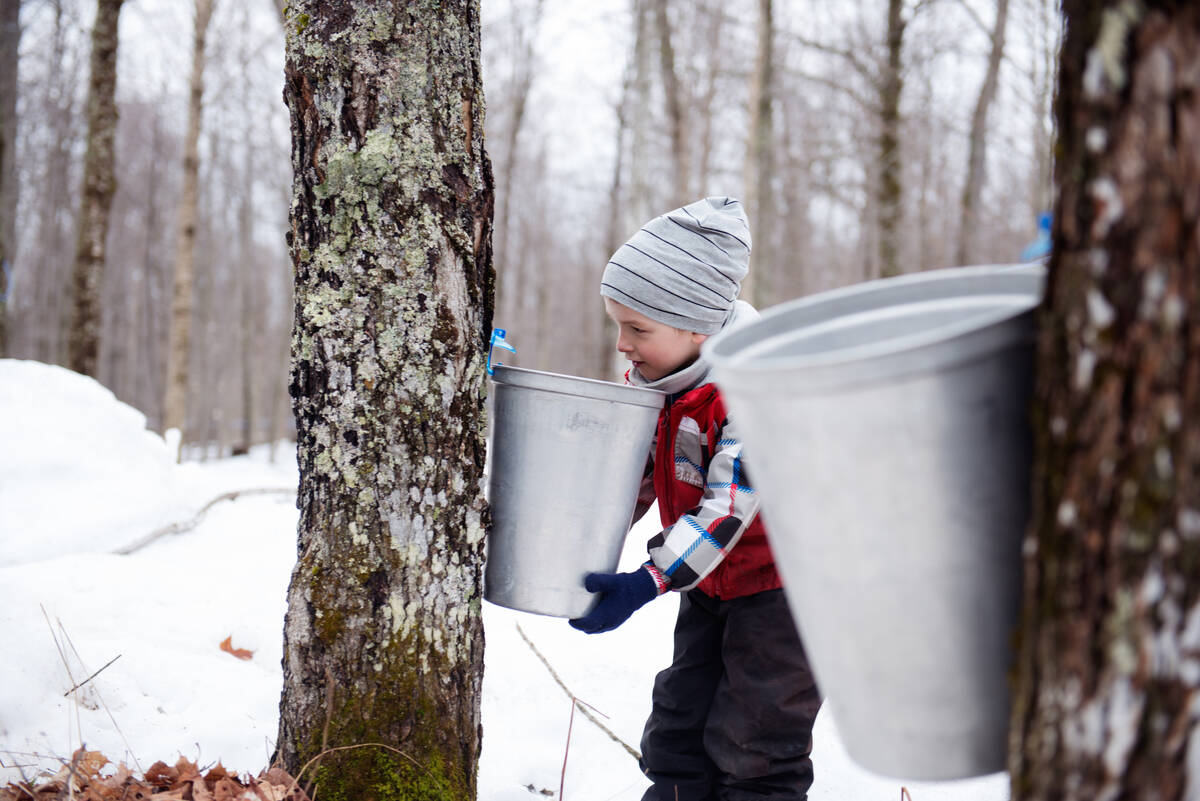
The report suggested demand for Canadian maple syrup and honey has continued to increase in the global market.
In the dairy sector, 2026 will likely see a 3.6 per cent increase of product manufacturing sales over 2025. Processors are also expected to pass along costs from the producer price increase for unprocessed milk to consumers.
In the meat manufacturing sector, FCC forecasts sales up 1.6 per cent and volumes down by 5.6 per cent.
Tight supplies of live animals, due largely to disease outbreaks, drove prices up in 2025. According to the report, “2026 will likely see another year where price, not volume, drives sales upward.”