China is not yet requiring a third-party review of Canadian pork imports to ensure they are free of the feed additive ractopamine, Canada’s Agriculture Minister Gerry Ritz said Monday.
But Ritz said he expects China to require third-party verification of Canadian pork at some point, as it will require of U.S. pork shipments starting March 1.
"We haven’t seen that. We fully expect it to happen," Ritz told reporters at the Grainworld conference in Winnipeg.
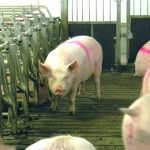
Most Canadian pork shipments to China, Ritz said, are free of ractopamine, a drug that promotes lean muscle growth and is used in the hog sector in Canada under the name Paylean.
Read Also

U.S. grains: Soybeans rise on export optimism; corn, wheat nearly flat
Chicago | Reuters – Chicago soybean futures rose about one per cent on Tuesday on optimism about demand for U.S….
The minister said he expects to discuss the issue with Chinese officials when he visits China in spring. Canada has not received any formal notification from China of a change, he said.
Russia banned U.S. meat imports earlier this month over fears about ractopamine, but has not taken as strict a position on Canadian shipments, Ritz said.
"We haven’t shied away from stating our displeasure (with Russia) at the way this is being done, but you have to be able to adapt and facilitate trade. We’ve been able to do that."
Canadian beef and pork are still moving to Russia, Ritz said, while U.S. shipments to Russia are "spotty."
Canada is the world’s third-largest exporter of pork.
Ritz is hopeful China will approve more of its domestic crushing facilities to accept Canadian canola with blackleg, a fungal disease that is present in much of the Canadian crop, a spokesman for Ritz said.
China, the No. 2 canola/rapeseed grower behind Canada, has restricted imports of Canadian canola with blackleg to a handful of crushing plants since late 2009. Those limited concessions are temporary exceptions to an outright ban, and are up for annual renewal.
— Rod Nickel is a Reuters correspondent based in Winnipeg.