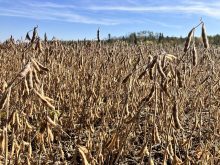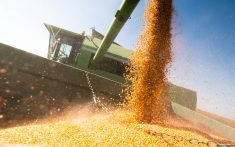

MarketsFarm — Commodities on the Chicago Board of Trade have been supported by dry growing conditions in key regions of the United States, but remain largely rangebound.
“It’s been hot and dry, but it’s tough to pin your hopes on a bull market because sooner or later it will rain,” said Scott Capinegro of Barrington Commodities at Barrington, Ill.
The U.S. Department of Agriculture will release its world agriculture supply and demand estimates (WASDE) on Friday, but Capinegro said market participants are still digesting the planted acreage numbers released last week.
Read Also
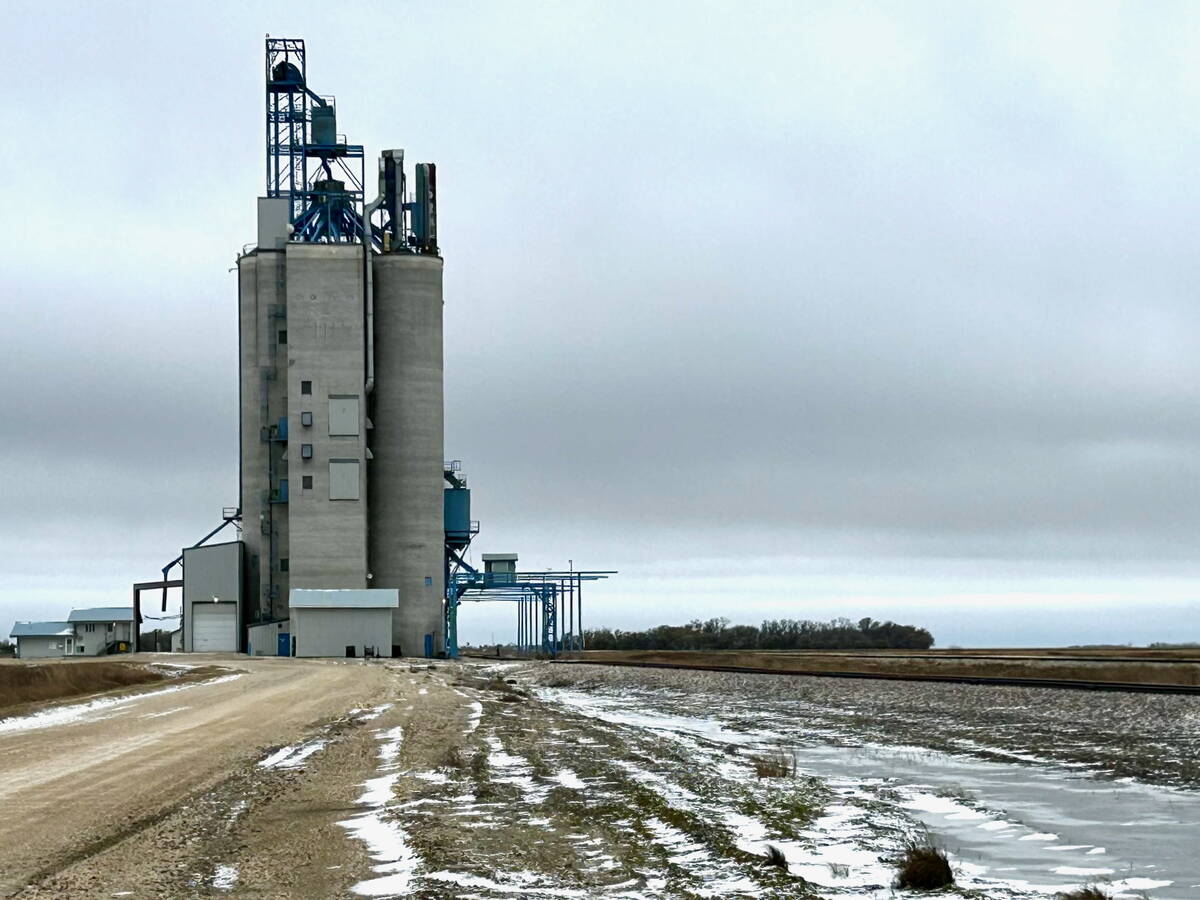
AAFC projects tighter canola stocks for 2026-27
Canadian canola carryout supplies at the end of the upcoming 2026-27 marketing year will be tighter than earlier projections, according to updated supply and demand estimates from Agriculture and Agri-Food Canada, released April 17.
“It was kind of shocking for everyone,” he said. “We’re still figuring out what is going on.”
The report estimated planted soybean acres in the U.S. to total 83.8 million, which was higher than previous estimates but lower than pre-report expectations. In 2019, soybean area totalled 76.1 million acres.
USDA pegged corn planted area at 92 million acres, about five million below the previous estimates and considerably higher than the 89.7 million seeded in 2019.
With the marketing year for soybeans and corn expiring at the end of August, it seems unlikely China will fulfill its purchasing promises made in phase one of its trade agreement with the U.S.
Capinegro said China would have to buy considerably more corn and soybeans in order to change prices significantly.
“It’s nice that we’re trying to get demand back in line a bit, but we’re still way off from what we’ve seen before,” he said.
— Marlo Glass reports for MarketsFarm from Winnipeg.