Chicago | Reuters — U.S. agribusiness Cargill will permanently close its beef processing facility in Milwaukee, Wisconsin, and eliminate 221 jobs, according to a filing with the state, the latest U.S. beef plant to be shuttered amid rising costs for meatpackers.
WHY IT MATTERS: The U.S. cattle herd is at its lowest level in nearly 75 years, pushing up prices and challenging packers’ margins.
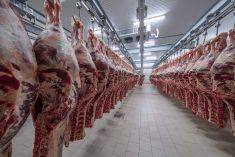
The Cargill Meat Solutions facility will stop production around mid-April and fully close around the end of May, a notice filed by Cargill with the Wisconsin Department of Workforce Development said. The plant specializes in fresh beef, ground beef, and value-added products but does not slaughter cattle.
Read Also

Trump tells farmers that tractor companies should lower prices
U.S. President Donald Trump announced new measures on Friday to support U.S. farmers who are reeling from the administration’s trade policies and the Iran war and suggested farm equipment makers cut prices
Cargill said the move was made “to better align our portfolio with current customer demand and prioritize investments,” adding that ground beef production will shift to its other North American facilities with no impact on its consumer contracts. The company operates seven other facilities in the state and some of the employees affected are expected to move to one in nearby Butler, Wisconsin.
The Milwaukee plant closure comes after rival meatpackers JBS and Tyson Foods announced they were shuttering beef plants late last year.
Beef prices are hovering near record highs due to strong demand and reduced supply. U.S. President Donald Trump on Friday signed a proclamation to hike low-tariff imports of Argentine beef.
U.S. beef packers have been losing money as tight supplies of cattle forced them to pay more for the livestock they slaughter and process into hamburgers and steaks.
The U.S. cattle herd has dropped to the lowest level in nearly 75 years due to persistent drought that dried up grazing pastures. A halt on U.S. imports of Mexican cattle tightened supplies further, as Washington seeks to keep out New World screwworm, a flesh-eating parasite.