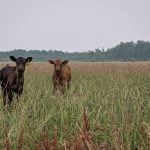
One-third of U. S. counties are facing a high risk that future water demand will outstrip supplies, spelling potential disaster for central and southern states and the crops grown there, a new study says.
Persistently parched grasslands, withering wheat and corn crops, and strained city utilities are a growing probability for 14 states seen at extreme risk of water shortages by 2050, including Kansas, Oklahoma, Nebraska, and Texas, according to the report released July 21 by the Natural Resources Defense Council (NRDC).
In all, more than one-third of all counties in the lower 48 states are at high risk of water shortages by mid-century as climate change combines with growing population, the study found. California, Arizona, Nevada and Colorado also make the list of severely water-threatened areas.
Read Also
Why the price gap against western Canadian soybeans?
Prairie soybeans get 70 cents less per bushel. That price gap is raising questions about protein, data gaps and how soybeans are valued.
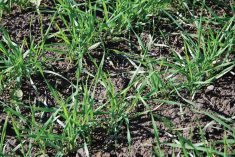
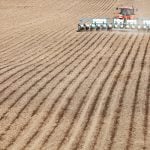
An estimated $100 billion in crops needed for food, fuel and livestock feed grown in those areas could be threatened, according to the study. Food production and agriculture are the largest consumers of fresh water, requiring 100 times more than the amount used for daily personal needs,
“We hope this is a wake-up call,” said Theo Spencer, a climate specialist with the Natural Defense Resource Council, one of the nation’s largest environmental groups.
“This shows in unprecedented detail how climate change will take a serious toll on water resources in the U. S. That could put a stranglehold on agriculture and economic development,” Spencer said in a phone interview.
The study examined water usage by farmers and ranchers, municipal water demand, and power generation going forward, factoring in population growth and projected changes in climate patterns, including rainfall.
The analysis, which was conducted by the Tetra Tech consulting group, compared future demand to future supply to provide an assessment of water availability.