Forage alfalfa across the province is ready to harvest, if farmers aren’t too busy fighting back the water.
The Green Gold Reports dated June 6 from the eastern, central and western regions of the project show relative feed values have peaked and are on the decline.
The Manitoba Forage Council’s Green Gold program (Alfalfa Scissor Clipping Project) is used to help predict the date when pure alfalfa stands are at optimum 150 RFV quality.
“Over the past years, due to unusual environmental conditions (cool weather and extreme warming conditions), we have seen alfalfa reach optimum quality well before the traditional early bloom (10 per cent flower) stage. In most cases, had producers waited for the crop to show these signs, harvest would have been delayed by up to two weeks and the RFV would have been in the 110 range,” the report says.
Read Also
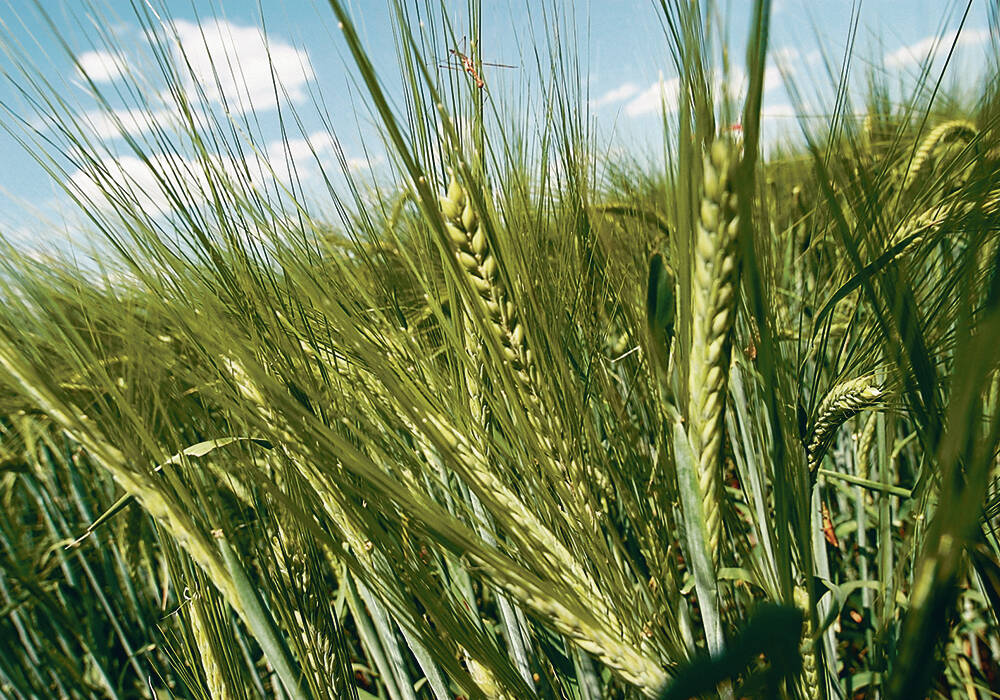
Canada regains Colombia as malting barley buyer
Colombia bought 56,000 tonnes of Canadian malting barley in 2025 — its first major purchase in about a decade — and more Latin American demand may follow.
Both the central and western results show quality in the 160 RFV range, “which indicates that hay cut at this time should produce hay in the 145 RFV range. Feed of this quality is excellent for all classes of cattle,” the report says.
In the east, alfalfa as of June 6 was approximately 20 inches tall but RFVs had dropped to 142. “The crop, although short, is presently tall enough to harvest weather permitting.”