
One of Manitoba’s major potato processors is asking producers to ensure their soil surface is clear before bringing in spuds this year.
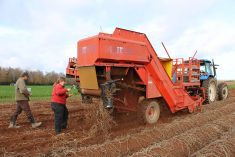
Scott Graham, J.R. Simplot’s raw agronomy manager, urged producers to watch for foreign objects in their fields and among potatoes.
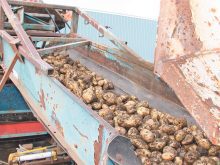
The issue of foreign objects arriving at the plant was brought up during a September newsletter from the company to producers. Simplot asked growers to check for rocks, bones, corn stover, wood, rubber, metal, plastic, glass and golf balls in the field and, post-harvest, on the grading line. They also asked that, along the grading line, growers allow potatoes to widen out and separate so employees can spot and remove foreign material.
Read Also
Farm sustainability means farmer wellness too
University of Manitoba LEAP program wants to talk farm succession, self-efficacy and community supports as part of agriculture wellness and sustainability study.
Metal objects are caught by detectors during processing, said Graham, but glass and golf balls are not. These can cause major headaches and loss.
If glass is found among potatoes during processing, Simplot throws out product to ensure all glass is eliminated and then cleans the processing line. It will also do an inspection with the grower, who must have employees pick through the potatoes to ensure there is no more glass.
Golf balls will float with potatoes on the line, and when they arrive at the cutter, will shatter and cause similar serious issues, Graham said.
Vikram Bisht, Manitoba Agriculture potato and horticulture crop pathologist, noted that bones, besides arriving via predators or animal death, can arrive on the field by a more preventable means: compost. Deadstock is sometimes a feedstock for compost fertilizer.
An article from North Dakota State University said that if farmers select a field to lease or buy for potato production, they should learn the field’s history to ensure it doesn’t contain bones or foreign materials.
“If a field is spread with compost containing bones, it should not be planted to potatoes until the bones have been completely decomposed,” the NDSU article said.
Potatoes might grow around bones, or bones might be mixed with potatoes at harvest, causing a food safety risk, the article adds.