
Wild Oats GrainWorld, one of Western Canada’s main annual grain outlook conferences, will no longer be held unless someone new wants to take on the job, says conference organizer John Duvenaud.
“I’ve run four,” Duvenaud, who owns and publishes the Wild Oats grain-marketing newsletter, said in an interview Oct. 21. “They’ve all made money. It’s fun to put them together. It’s fun to run them. I’ve met lots of interesting people, but it’s old technology and I don’t want to do it anymore.”
Read Also
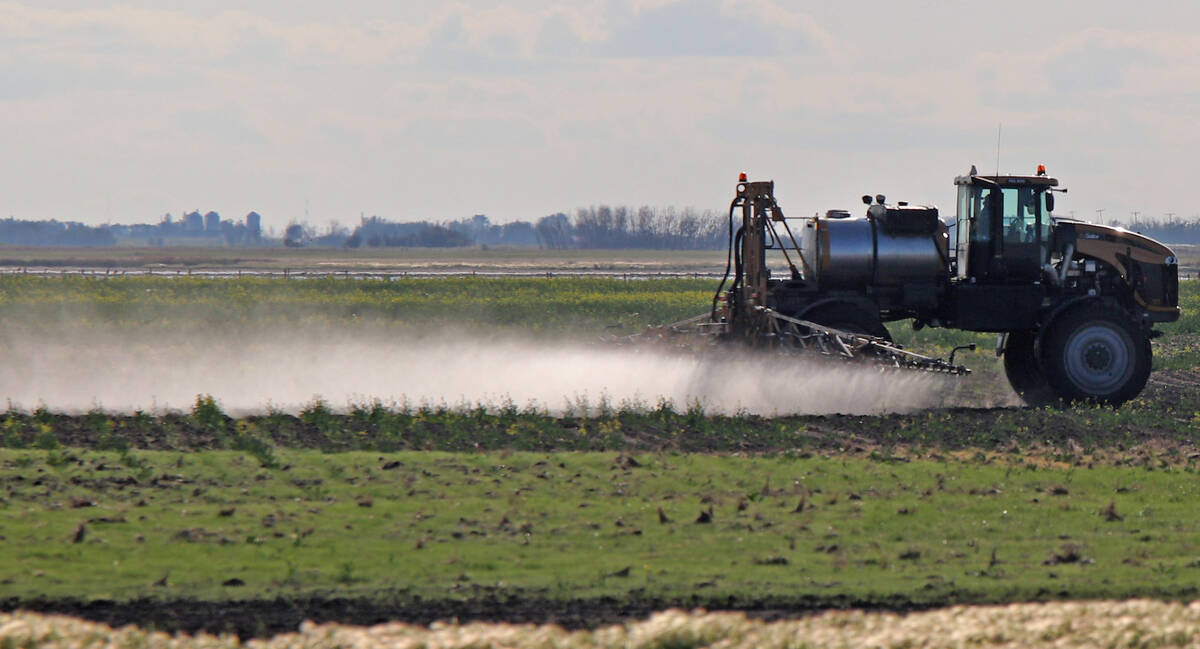
Herbicide-resistant weeds now on 72 per cent of surveyed Manitoba fields, costing farmers $77M a year
About 72 per cent of Manitoba fields last surveyed have herbicide resistance, says report — and that’s costing farmers big money.
The Canadian Wheat Board used to put on GrainWorld until it lost its marketing monopoly. Duvenaud, who regularly attended those meetings, felt it should continue.
“To tell you the truth, I was still smarting from the Winnipeg Commodity Exchange closing its trading floor down (in favour of electronic trading),” Duvenaud said. “And I thought I can at least keep this (GrainWorld) thing going, which I did. With the old open-outcry trading floor I can see now it was old technology. It was fine when it was working, but now when I look at a picture of the trading floor it’s like looking at a picture of a guy with a binder. It’s quaint, but it’s not the reality anymore.”
And it’s the same with an outlook conference. Now people can get grain production and demand forecasts online for a fee or free, he said. There is something to be said for farmers and grain trade people meeting informally and networking, Duvenaud added.
“There were a lot of good things about it, but I just didn’t want to do it anymore,” he said. “I was thinking during the summer 90 per cent of the stress in my world has to do with GrainWorld. Everything else works pretty good — Wild Oats works pretty good, the farm (I run) works pretty good.”
And while GrainWorld was profitable, there’s still a financial risk in organizing the event, which costs around $100,000 a year to put on, Duvenaud said.
“I offered it to anybody who might like to run it, including the wheat board (G3 Canada) and as far as I know nobody wants to take it over,” he said.
“We have a lot of assets. We have a lot of real good speakers and a lot of regular sponsors. We’ve got the names of attendees and would be more than happy to share that with anyone who wants to take it over and run it.”
The United States Department of Agriculture started running annual outlook conferences 151 years ago, Duvenaud said. The idea was to help farmers decide which crops were the most economic to grow.
“That was at a time when it took weeks for news to get across the country,” he said.